
Embracing Change with the Transport (Scotland) Act 2019
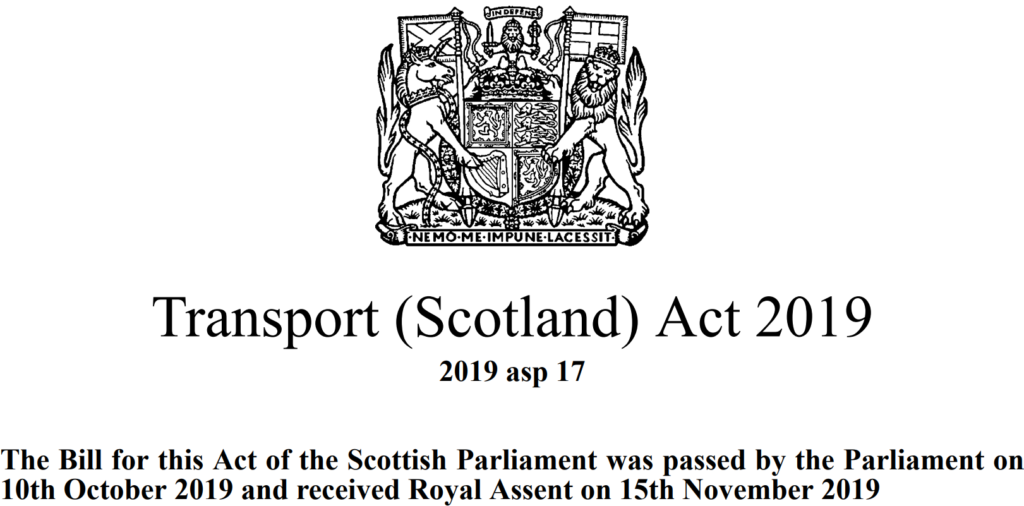
On December 11, 2023, Scotland decisively steps forward to transform its urban landscape. With the enforcement of the innovative Transport (Scotland) Act 2019, it introduces a nation-wide ban on pavement parking, double parking, and parking at dropped kerbs. In addition, This pivotal move clearly signals Scotland’s strong commitment to enhancing urban mobility and actively protecting pedestrian rights. In this article we will present a few points from The Transport Act (Scotland) 2019 and you can download the Document as it was presented on the gov. website.
Addressing the Pressing Issue of Pavement Parking
For too long, pavement parking has created significant obstacles for pedestrians, particularly for those with disabilities or accompanying young children. The new legislation aims to resolve these challenges, ensuring streets that welcome and accommodate all.
The Multiple Challenges of Pavement Parking
- Navigational Hazards: Pavement parking forces pedestrians into dangerous situations, often requiring them to walk on the road amidst traffic.
- Barrier to Accessibility: It disproportionately affects individuals with visual impairments or physical disabilities, limiting their independence and mobility.
- Disrupting Urban Order: Such parking practices contribute to visual and physical clutter, detracting from the overall quality of urban life.
Understanding the Implications: Fines and Compliance
From December 11 onwards, drivers in Scotland need to adhere strictly to these new rules or face stringent penalties. Authorities will impose a £100 fine for any violations, although prompt payment within 14 days reduces the fine by half. Local councils will take charge of ensuring compliance and upholding pedestrian safety.
DOWNLOAD FULL DOCUMENT – The Transport Act 2019 in Scotland
Considerations for Exemptions for Pavement Parking Fines
The law thoughtfully provides exemptions, particularly to ensure access for emergency services. These exemptions reflect the law’s balanced approach, considering the practical needs of different road users.
Spreading Awareness: Transport Scotland’s Campaign
In preparation for this change, Transport Scotland proactively launches an extensive public information campaign. Spanning across radio, outdoor, and social media platforms, this campaign aims to inform drivers about the new regulations and their importance, therefore ensuring widespread awareness and compliance.

Fiona Hyslop’s Call to Action for Parking Regulations
Transport Minister Fiona Hyslop actively conveys the message: “Pavement parking is unsafe, unfair, and illegal.” Furthermore, she emphasizes the critical role of this campaign in making sure that everyone in Scotland not only understands but also prepares for the upcoming enforcement.
The Larger Picture: A Leap Towards Sustainable Urban Mobility
Implementing this law signifies more than a mere regulatory shift; it represents a major leap towards creating communities that embrace active travel. By curbing pavement parking, Scotland not only enhances pedestrian safety but also furthers its ambitious climate change objectives by promoting walking and cycling.

Edinburgh Leading by Example
The City of Edinburgh has already tackled the issue head-on, addressing pavement parking on more than 500 streets. Edinburgh’s proactive measures set a strong example for other Scottish cities to follow.
Widespread Praise from Charities and Advocacy Groups
The ban has garnered widespread acclaim from various charities and advocacy groups, who enthusiastically recognize its immense benefits. These benefits extend particularly to individuals with sight problems, wheelchair users, and parents with strollers. Moreover, this broad support significantly highlights the law’s far-reaching impact, demonstrating its crucial role in enhancing community inclusivity and accessibility.
Conclusion: Paving the Way for an Accessible Scotland
Scotland’s ban on pavement parking marks a landmark moment in its journey towards creating more accessible, safe, and environmentally conscious urban spaces. Significantly, this legislation goes beyond merely penalizing wrongful parking. It represents a fundamental shift in how we envision our streets — as shared spaces where everyone, regardless of their abilities or transportation means, can coexist in harmony.
Understanding Parking Charge Notices (PCNs)
In addition to the new pavement parking laws, it’s essential for drivers to stay informed about Parking Charge Notices (PCNs). These notices play a crucial role in the broader context of parking management and compliance. To delve deeper into the significance and implications of PCNs, we highly recommend reading our detailed article, “Parking Charge Notices (PCNs) – Impact and Necessity.” This article offers an in-depth analysis of PCNs, exploring their impact on parking behavior, their necessity in maintaining order in parking spaces, and their role in the overall parking management system. Understanding PCNs is key to navigating the complexities of parking regulations and avoiding unnecessary penalties.