In the United Kingdom, over 14 million people, or approximately one-fifth of the population, have a disability or long-term health condition. Ensuring that these individuals have safe and convenient access to community buildings, businesses, and services is of utmost importance. One crucial aspect of accessibility is the provision of well-designed and properly implemented parking facilities.
Accessible parking bays, also known as parking spots reserved for disabled persons, play a vital role in enabling individuals with mobility limitations or health conditions to easily access their destinations. However, designing and maintaining these spaces in line with parking guidelines, regulations, and restrictions can be a complex task.
This article will explore the key considerations and best practices for designing accessible parking spaces that truly cater to the needs of disabled individuals. From addressing the importance of parking facility accessibility to providing guidelines for layout optimization and incorporating sustainable features, each section will offer valuable insights to ensure inclusivity and enhance parking experiences.
Key Takeaways:
- Over 14 million people in the UK have a disability or long-term health condition.
- Accessible parking bays are crucial for enabling convenient access to destinations for individuals with mobility limitations.
- Designing accessible parking spaces requires adherence to parking guidelines, regulations, and restrictions.
- This article will cover various aspects of accessible parking, including importance, best practices, guidelines, and optimization.
- By implementing these guidelines, parking spaces can become more inclusive and convenient for everyone.
The Importance of Parking Facility Accessibility
Accessible parking bays, also known as parking spots reserved for disabled persons, play a vital role in ensuring equal access for individuals with mobility limitations or health conditions. These dedicated parking spaces are designed to meet the specific needs of disabled individuals, providing them with safe and convenient access to public and private facilities.
Having accessible parking bays is essential for disabled individuals who may have difficulty walking long distances or require assistive devices such as wheelchairs or mobility scooters. These spaces are strategically located near accessible entrances, reducing the physical exertion and potential barriers that may arise from navigating long distances or uneven terrain.
Moreover, accessible parking bays are wider than regular parking spaces, accommodating the additional space required to safely enter or exit vehicles, as well as maneuver mobility aids. This extra space ensures that individuals with mobility limitations can comfortably access and transfer from their vehicles without difficulty.
By providing accessible parking bays, businesses and organizations demonstrate their commitment to inclusivity and create an environment that is welcoming and accommodating to all individuals, irrespective of their mobility limitations or health conditions.
The Benefits of Accessible Parking Facility Accessibility
“Accessible parking bays ensure that individuals with mobility limitations or health conditions have equal access to community buildings, businesses, and services.”
Accessible parking facility accessibility offers numerous benefits to disabled individuals:
- Increased Independence: Accessible parking bays empower disabled individuals by enabling them to access amenities and services independently and with less reliance on others for assistance.
- Improved Safety: The close proximity of accessible parking spaces to accessible entrances reduces the risk of accidents, such as falls or injuries, that may occur when navigating long distances.
- Enhanced Comfort: The additional space provided in accessible parking bays ensures that individuals with mobility limitations or health conditions can safely and comfortably enter and exit their vehicles, as well as transfer to and from mobility aids.
- Promote Inclusivity: By prioritizing accessible parking bays, businesses and organizations send a powerful message of inclusivity and demonstrate their commitment to catering to the needs of all individuals within the community.
Ensuring the availability and accessibility of parking spaces reserved for disabled individuals is not only a legal requirement but also a moral responsibility. By proactively providing accessible parking bays, businesses and organizations contribute to a more inclusive society and create an environment that values and respects the rights of all individuals, regardless of their mobility limitations or health conditions.
| Benefits of Accessible Parking Facility Accessibility |
|---|
| Increased Independence |
| Improved Safety |
| Enhanced Comfort |
| Promote Inclusivity |
Best Practices for Protecting Accessible Parking Spaces
To ensure that accessible parking spaces remain available for those who need them, it is important to implement best practices for their protection. By taking proactive measures, parking facilities can prevent illegal parking and ensure the accessibility of these spaces for disabled individuals. Clear signage, consistent markings, parking barriers, and ANPR systems can all contribute to enhanced security and adherence to parking regulations.
Clear Signage and Consistent Markings
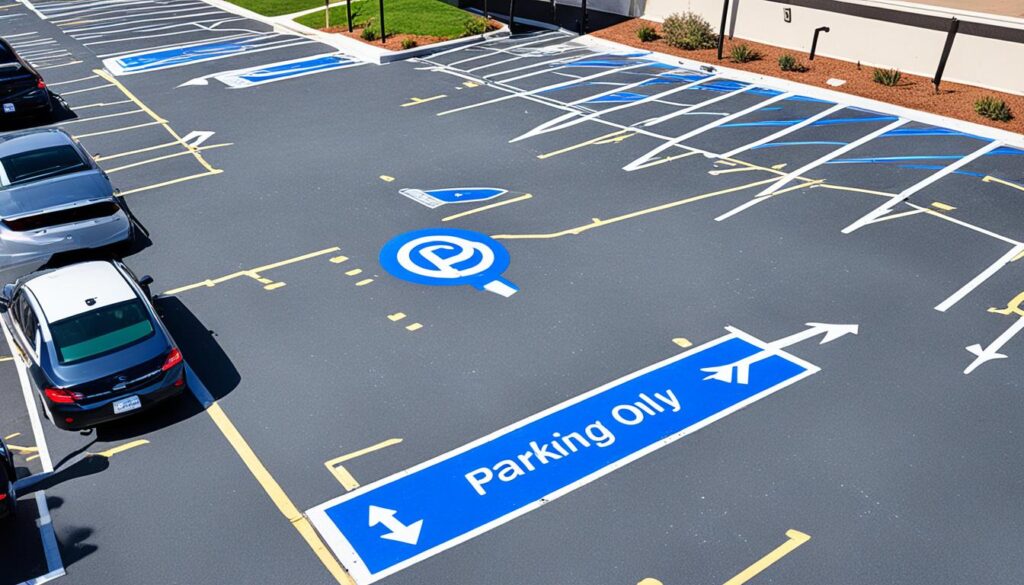
Clear and prominent signage is crucial in preventing illegal parking in accessible spaces. The signage should clearly indicate that the designated parking area is reserved for individuals with disabilities. It should include the internationally recognized accessibility symbol, along with any additional local or regional requirements.
“Clear and prominent signage is crucial in preventing illegal parking in accessible spaces.”
Consistent markings on the ground further reinforce the message to drivers that the space is designated for disabled parking. These markings, including the accessibility symbol and the word “DISABLED,” should be clearly visible and well-maintained. By ensuring that the signage and markings are easily identifiable, parking facilities can reduce the likelihood of unauthorized parking.
Parking Barriers and ANPR Systems
Physical parking barriers, such as bollards or gates, can provide an added layer of protection for accessible parking spaces. These barriers can deter unauthorized vehicles from occupying these spots, ensuring their availability for individuals with disabilities.
Check this video: https://www.youtube.com/watch?v=EA9S5bP-Sgg
An Automatic Number Plate Recognition (ANPR) system can also be implemented to monitor and enforce parking regulations. ANPR technology uses cameras to capture and read vehicle license plates, automatically identifying any vehicles that are parked illegally in accessible spaces. This system can help identify offenders and enable efficient enforcement actions, such as issuing fines or penalties.
Regular Monitoring and Enforcement
Regular monitoring and enforcement of accessible parking spaces are vital to maintaining their availability for disabled individuals. Parking facility management should conduct routine inspections to identify any violations and take appropriate enforcement actions. This proactive approach can ensure that accessible parking spaces serve their intended purpose and provide convenient access to those who need them.
By implementing these best practices, parking facilities can protect accessible parking spaces and uphold the rights of disabled individuals. Clear signage, consistent markings, parking barriers, ANPR systems, and regular monitoring efforts all contribute to creating an inclusive parking environment.
Guidelines for Providing Required Accessible Parking Spaces
When designing a parking facility, it is essential to follow guidelines for providing the required number of accessible parking spaces. These guidelines ensure that individuals with disabilities have equal access to parking facilities and can navigate them safely and conveniently.
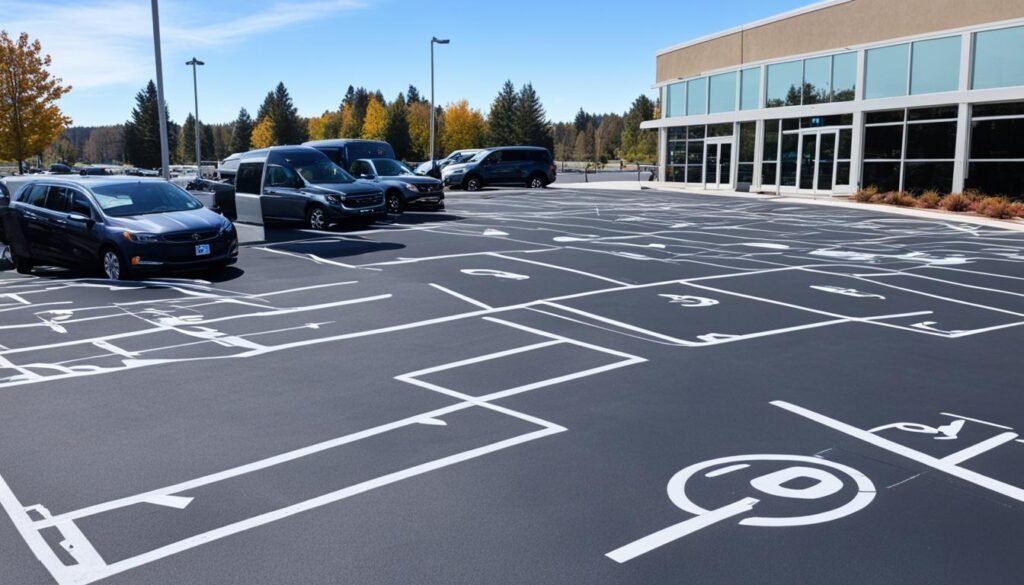
One crucial aspect of designing accessible parking spaces is understanding the dimensions and location requirements. The dimensions of accessible parking bays are specified to accommodate vehicles with wheelchair lifts or ramps, allowing for easy entry and exit. Additionally, the location of accessible parking spaces should be strategically positioned near accessible entrances to minimize travel distance for individuals with mobility limitations.
To provide clarity and consistency, the minimum number of accessible parking spaces is mandated by local laws and regulations. While the exact requirements may vary, these regulations typically consider the total parking capacity. The aim is to allocate a percentage of the parking spaces as accessible, ensuring that a sufficient number is available for individuals with disabilities.
Dimensions of Accessible Parking Bays
The dimensions of accessible parking bays are designed to accommodate different types of vehicles and provide ample space for maneuvering. The following table outlines the recommended dimensions for accessible parking spaces:
| Criteria | Minimum Requirement |
|---|---|
| Accessible parking bay width | ≥ 3.6 meters (11 feet 9 inches) |
| Access aisle width | ≥ 1.8 meters (5 feet 10 inches) |
| Vertical clearance | ≥ 2.1 meters (6 feet 11 inches) |
It is important to note that these dimensions act as a general guideline, and local regulations may have specific requirements that must be adhered to.
By following the guidelines for accessible parking space dimensions and providing the required number of spaces, parking facility owners and managers can ensure inclusivity and enable individuals with disabilities to access their destinations with ease.
Make Your Parking More Accessible
Designing an accessible parking environment involves more than merely complying with guidelines. It requires additional measures to ensure inclusivity and user-friendliness. By implementing these measures, parking facilities can become welcoming spaces for all individuals, regardless of their abilities.
The Importance of Maintenance
Maintaining accessible parking lots and sidewalks is essential for providing a seamless experience to disabled individuals. Regular maintenance ensures that accessibility features, such as ramps, handrails, and designated parking spaces, are in good condition and free from obstacles. It also helps in preserving the longevity of these facilities, enabling them to serve the needs of disabled users effectively. Prioritizing maintenance not only enhances safety but also demonstrates a commitment to inclusivity.
Fostering Inclusivity through Empathetic Signage
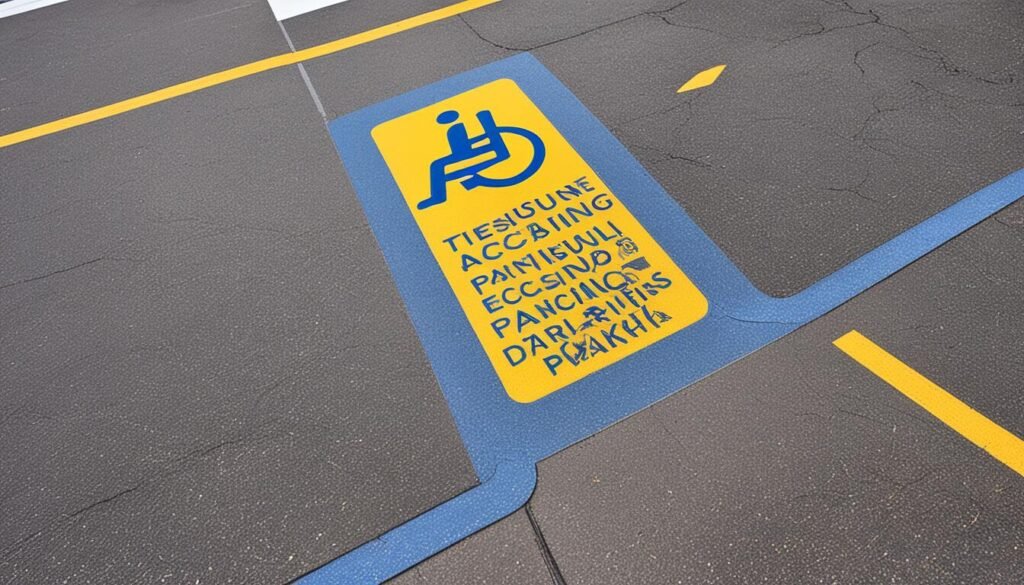
The use of empathetic signage is another way to create an inclusive parking environment. By employing signage that includes clear instructions and symbols, mixed with thoughtful messages, the parking facility can raise awareness about accessible parking spaces and foster a sense of belonging for disabled individuals. Empathetic signage can account for a range of disabilities, including mobility limitations, visual impairments, and cognitive challenges, facilitating a more inclusive parking experience for all.
The inclusion of empathetic signage not only improves accessibility but also sends a signal that everyone is welcome and valued in the parking facility.
Accessible Routes and Pathways
An accessible route is a crucial component for ensuring that disabled individuals can navigate parking facilities independently. It involves providing pathways that are free from barriers, wide enough to accommodate mobility aids, well-maintained, and clearly marked. By incorporating accessible routes, parking facilities can create an inclusive and seamless journey from parking spaces to entrances. These routes should include features such as curb cuts, ramps, and tactile paving to assist individuals with different mobility needs.
Achieving Inclusivity: A Collaborative Effort
Creating an accessible parking environment is a collaborative effort that involves various stakeholders, including property owners, architects, designers, and facility managers. By prioritizing collaboration, inclusivity can be woven into every aspect of parking facility design and operation. Regular consultations with disability advocacy groups and engagement with disabled users can provide valuable insights and ensure that design decisions align with the diverse needs of the community.
| Benefits of Making Parking More Accessible |
|---|
| Enhanced accessibility for disabled individuals |
| Increased customer satisfaction and loyalty |
| Compliance with accessibility regulations and laws |
| Improved public image and reputation |
| Positive impact on community integration and well-being |
Optimizing the Layout and Dimensions
The layout and dimensions of accessible parking spaces are critical factors in ensuring their usability. To optimize the design, it is crucial to consider the demand and diversity of users as well as incorporate accessibility features that enhance convenience and safety.
When planning the layout, it is important to assess the demand for accessible parking spaces. This involves understanding the specific needs of different user groups, such as individuals with mobility aids or parents with young children. By taking into account this demand and tailoring the number of accessible spaces accordingly, parking facilities can better serve the diverse needs of their visitors.
Additionally, layout optimization involves ensuring proper connectivity between accessible parking spaces and pedestrian paths. This includes providing clear pathways, accessible ramps, and proper signage to guide users and create an inclusive environment. By considering the accessibility journey from the moment users enter the parking facility to reaching their desired destination, parking owners can facilitate a seamless experience for all.
Another vital aspect of optimizing the layout is to allocate sufficient space for maneuverability. Accessible parking spaces should meet the recommended dimensions, allowing individuals to easily enter and exit their vehicles, as well as maneuver mobility aids. These dimensions typically include wider parking bays and wider access aisles to accommodate wheelchair transfers.
Incorporating accessibility features such as proper connection to pedestrian paths and ramps ensures that individuals with disabilities can navigate parking facilities safely and independently, promoting inclusivity and equal access.
By investing in layout optimization and considering the diverse demand from users, parking facilities can provide a seamless and accessible experience for all visitors.
Incorporating Green and Smart Features
Creating sustainable and efficient parking facilities is increasingly important in today’s world. By incorporating green features and utilizing smart technology, parking spaces can not only promote a more eco-friendly environment but also enhance accessibility and functionality. This section will explore some innovative approaches to sustainable design, including the use of permeable paving and rainwater harvesting. Additionally, we will delve into how smart technology, such as sensors and apps, can revolutionize the parking experience.
Permeable Paving: Paving the Way for Sustainability
Permeable paving is a key element of sustainable design, offering numerous environmental benefits. This innovative technique involves using materials that allow water to seep through the surface, reducing runoff and improving water quality. By incorporating permeable pavement into parking lots, rainwater can be naturally filtered, replenishing groundwater and reducing the strain on stormwater management systems. It not only minimizes the environmental impact but also enhances the aesthetics of the parking area.
Rainwater Harvesting: Harnessing Nature’s Bounty
Rainwater harvesting is another green feature that can be integrated into parking facilities. By collecting and storing rainwater, this sustainable practice reduces the reliance on traditional water sources for tasks such as irrigation and car washing. Capturing rainwater not only conserves water resources but also reduces the strain on municipal water supplies. Implementing rainwater harvesting systems in parking lots showcases a commitment to sustainability while reducing overall water consumption.
Smart Technology: Driving Innovation in Parking
Advancements in technology have transformed the way we manage and utilize parking spaces. By embracing smart technology, parking facilities can streamline operations and enhance the overall user experience. For example, sensors can be installed to monitor the availability of parking spaces, allowing drivers to locate vacant spots efficiently. Mobile apps can provide real-time updates on parking availability, making it convenient for users to plan their visit. Additionally, smart payment systems can minimize the need for physical tickets or cash, further enhancing the convenience and efficiency of parking facilities.
“Incorporating sustainable design and smart technology into parking facilities not only benefits the environment but also enhances the overall user experience.” – Sustainability Expert
By incorporating green features and smart technology, parking facilities can become more than just a place to park vehicles. They can become sustainable, user-friendly spaces that prioritize accessibility and environmental consciousness. Whether it’s permeable paving, rainwater harvesting, or smart sensors, these innovative solutions pave the way for a greener and smarter future for parking.
Conclusion
Designing accessible parking spaces is not only a legal requirement, but it also plays a vital role in creating inclusive parking areas that benefit everyone. By providing parking bays reserved for disabled individuals and following the guidelines for their design and implementation, parking facilities can ensure safe and convenient access for individuals with mobility limitations or health conditions.
To further explore the world of accessible parking and gain valuable insights, visit our directory section on the website, where you can find resources and information about parking management companies. Stay informed and up-to-date on the latest parking news and articles by checking out our dedicated Parking News Section.
By supporting accessible parking initiatives and staying informed about inclusive parking practices, we can collectively contribute to a more accessible and inclusive society for all individuals, regardless of their mobility limitations. Together, let’s make parking areas more accommodating and accessible for everyone.