Introduction to Vehicle Lighting
Vehicle lighting plays a crucial role in enhancing the safety and visibility of drivers, passengers, and pedestrians alike. Proper illumination not only increases the driver’s ability to see the road ahead, especially during night-time or low-visibility conditions, but it also aids in ensuring that other road users can see the vehicle itself. The importance of effective vehicle lighting cannot be overstated, as it is fundamental to preventing accidents and facilitating safer travel.
Historically, automotive lighting has evolved significantly from the early use of simple oil lamps. Over the decades, technological advancements have led to the introduction of incandescent bulbs, halogen lights, and eventually to the modern-day solutions we see in vehicles today. Each of these developments has contributed to improved illumination and reliability. However, the most notable change has been the shift towards energy-efficient lighting options, with LED bulbs leading the way.
LED technology has revolutionized how automotive lighting systems operate, offering numerous advantages over traditional bulb types. These advantages include reduced energy consumption, longer lifespan, and better light output, thereby enhancing overall visibility on the road. As vehicles are increasingly being designed with LED headlight bulbs, it becomes essential to understand their role within the broader context of vehicle lighting. This not only pertains to the safety aspects but also to the compliance with evolving automotive standards and regulations that aim to improve road safety.
As we delve deeper into the merits of LED headlight bulbs, it is essential to recognize their significance in the continuum of automotive lighting technology and the growing need for more efficient solutions in modern vehicles.
What Are LED Headlight Bulbs?
LED headlight bulbs, or light-emitting diode bulbs, represent an advanced form of automotive lighting technology that has gained popularity due to their numerous advantages over traditional lighting options such as halogen and HID (Xenon) bulbs. These bulbs comprise a semiconductor material that emits light when an electric current passes through it, creating illumination more efficiently compared to its predecessors.
One primary distinction between LED bulbs and halogen or HID bulbs lies in their construction and energy consumption. Halogen bulbs function by heating a tungsten filament until it glows, which results in significant energy loss through heat production. In contrast, HID bulbs rely on an arc of electricity between two electrodes in a gas-filled chamber, producing a bright, intense light. LED technology, on the other hand, generates light through a chemical reaction without excessive heat. This fundamental difference allows LED headlight bulbs to consume less energy and emit considerably less heat, contributing to their overall efficiency.
Another notable aspect of LED headlight bulbs is their longevity. While halogen bulbs typically last around 1,000 hours and HID bulbs can last up to 2,000 hours, LED headlights can achieve lifespans of up to 30,000 hours or more with proper use. This extended lifespan significantly reduces the need for frequent replacements, translating into cost savings and less environmental waste.
Beyond their energy efficiency and durability, LED headlight bulbs also offer improved visibility. These bulbs produce a clearer, whiter light that closely resembles natural daylight, thereby enhancing the driver’s ability to see the road and surrounding environment in various conditions. This superior performance has made LED headlight bulbs a preferred choice for modern vehicles.
Top 10 LED Headlight Bulbs Best Sellers
Benefits of LED Headlight Bulbs
LED headlight bulbs offer numerous advantages that make them an increasingly popular choice among vehicle owners. One of the primary benefits is their enhanced brightness, which significantly improves visibility during nighttime driving or adverse weather conditions. Unlike traditional halogen bulbs, LED lights emit a crisp, white light that closely resembles daylight, allowing drivers to see further down the road and revealing potential hazards sooner. This enhanced illumination contributes to safer driving conditions, ultimately reducing the risk of accidents.
Moreover, LED headlight bulbs are known for their energy efficiency. They consume less power than conventional lighting options while producing the same or greater levels of brightness. This decreased energy consumption not only reduces the load on the vehicle’s electrical system but also alleviates the strain on the alternator, leading to improved fuel economy over time. With rising fuel prices, opting for LED bulbs can be a cost-effective decision for drivers concerned about maximizing their vehicle’s efficiency.
Durability is another significant advantage that LED headlight bulbs provide. Constructed with sturdy materials, these bulbs are more resistant to vibrations and shocks, which is particularly beneficial for vehicles that frequently traverse rough terrains. Additionally, LED technology generates less heat compared to traditional incandescent bulbs, reducing the risk of damage to the housing and other surrounding components. This characteristic contributes to an extended lifespan, with many LED headlight bulbs rated for over 30,000 hours of use, far surpassing the longevity of halogen or xenon options.
In summary, the benefits of LED headlight bulbs encompass improved brightness, energy efficiency, enhanced durability, and a longer operational life. Together, these factors not only enhance road safety but also provide significant cost savings for vehicle owners in the long run.
Comparison of LED Bulbs with Other Headlight Types
When considering headlight options for vehicles, it is crucial to compare LED headlight bulbs with other prevailing types, such as halogen and high-intensity discharge (HID) bulbs. Each of these options has its distinct characteristics, advantages, and disadvantages, making them suitable for different driving conditions and preferences.
Halogen bulbs are perhaps the most traditional headlight choice, known for their affordability and ease of replacement. They utilize a tungsten filament and halogen gas, which together produce a warm, yellowish light. However, their longevity is limited, typically offering around 500 to 1,000 hours of usage, and they consume more power compared to LED options. Additionally, halogen bulbs generate significant heat, which not only leads to energy inefficiency but also poses a risk of burning the plastic components of the headlight assembly over time.
On the other hand, HID bulbs provide a brighter and whiter light output than halogen bulbs, significantly improving visibility at night. They work by creating an electric arc between two electrodes within a quartz envelope filled with gas. While HID bulbs last longer, averaging 2,000 to 3,000 hours, they can be more costly and complex to install. Furthermore, HID headlights may require warm-up time to reach their full brightness, which can be a drawback in situations requiring immediate illumination.
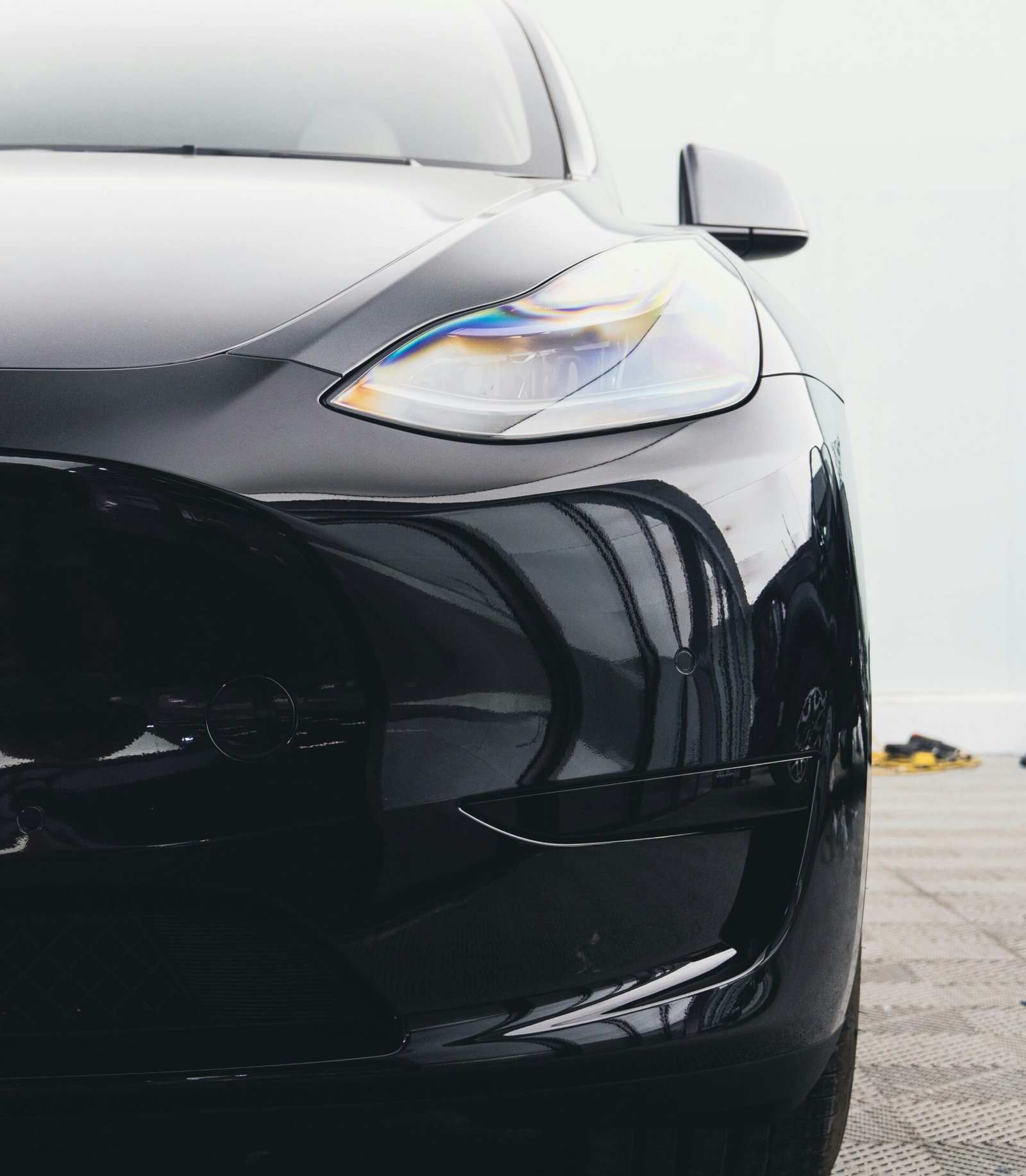
In contrast, LED headlight bulbs shine with distinct advantages that set them apart from both halogen and HID options. They boast an impressive lifespan, typically exceeding 20,000 hours, alongside greater energy efficiency—using significantly less power to achieve a comparable or superior light output. Moreover, LEDs provide instant illumination and offer flexible design options, allowing for various headlight configurations tailored to vehicle aesthetics and functionality.
Ultimately, while halogen and HID bulbs have their merits, LED headlight bulbs emerge as the superior choice, especially for those seeking durability, energy efficiency, and enhanced visibility on the road.
How to Choose the Right LED Headlight Bulbs
Selecting the appropriate LED headlight bulbs for your vehicle is essential to ensure optimal performance and compliance with legal standards. Several key factors should be carefully considered during this process, including wattage, lumens, color temperature, compatibility, and regulations.
Wattage is an important consideration, as it reflects the power consumption of the bulb. Most vehicles use standard wattage bulbs, and it’s crucial to choose LED options that replicate the wattage of the original bulbs to avoid potential electrical issues. Higher wattage may produce brighter light but can also lead to overheating or damage to the vehicle’s wiring system.
Brightness is quantified in lumens, a metric that indicates how much light is emitted by the bulb. Generally, the higher the lumen rating, the brighter the light. For effective illumination while driving, look for LED headlight bulbs that offer a lumen output within the range recommended for your vehicle type, as this can significantly enhance visibility, particularly during nighttime or adverse weather conditions.
Color temperature also plays a critical role in choosing LED headlight bulbs. Measured in Kelvins (K), the color temperature influences the appearance of the light. For instance, bulbs with a color temperature of around 6000K produce a bright white light akin to natural daylight, which improves contrast and visibility on the road. Selecting the right color temperature can enhance the driving experience and reduce eye strain.
Additionally, ensure that the chosen LED headlight bulbs are compatible with your vehicle’s electrical system. Some vehicles may require specific types of bulbs or adapters, so reviewing the manufacturer’s specifications is highly recommended. Lastly, familiarize yourself with the legal regulations regarding automotive lighting in your area, as certain color temperatures and brightness levels may be restricted to ensure safety and compliance.
Installation Process for LED Headlight Bulbs
Installing LED headlight bulbs can significantly enhance visibility and overall driving experience. Whether you are a professional installer or a DIY enthusiast, understanding the installation process is vital for achieving optimal results. Below is a comprehensive guide to help you through the installation.
To begin, gather the necessary tools for the task. Typically, you will need a socket wrench, screwdrivers, and a pair of gloves to protect both your hands and the bulbs from oils that may transfer from your skin. Having a flashlight is also beneficial, especially if you’re working in low-light conditions, as proper illumination can help you navigate the workspace more easily.
Next, ensure your vehicle is parked on a flat surface and that the engine is off. It is crucial to disconnect the battery to avoid any electrical mishaps during the installation. For ease of access, remove the headlight assembly, which may require you to unscrew or unclip certain parts depending on the make and model of your vehicle.
Once the assembly is removed, take out the existing halogen bulb by carefully twisting it counterclockwise. Before inserting the new LED headlight bulb, it is important to avoid touching its glass with your fingers to prevent damage or short lifespan. Gently insert the LED bulb into the socket and secure it by twisting it clockwise.
After the installation, reconnect the battery and test the newly installed LED headlights to ensure they function correctly. If they do not light up, check the connections and ensure the bulbs are seated properly. Finally, reattach the headlight assembly and ensure all screws or clips are tightened securely to avoid any dislodgment while driving.
Following these steps can simplify the installation process and enable you to enjoy the benefits of your new LED headlight bulbs efficiently. Remember to stay cautious and take your time during the installation to avoid any potential challenges.
Maintaining LED Headlight Bulbs
Proper maintenance of LED headlight bulbs is essential for ensuring they function optimally and for the longest possible lifespan. To begin with, cleaning the bulbs is a critical practice. Over time, dirt, grime, and moisture can accumulate on the surface, reducing their brightness and effectiveness. It is advisable to use a soft, damp cloth with a gentle cleaning solution to wipe the bulbs regularly. Avoid using abrasive materials that could scratch or damage the bulb exterior.
Another important aspect of maintenance is checking the alignment of the headlight beams. If the bulbs are misaligned, they may not provide adequate illumination on the road, which can pose safety risks. During routine vehicle inspections or oil changes, take the time to verify that the headlights are properly aimed. Adjusting them can often be done with simple hand tools and will significantly improve visibility when driving at night.
Monitoring for signs of failure is equally vital for the longevity of LED headlight bulbs. Unlike traditional bulbs that may flicker or burn out suddenly, LED bulbs can sometimes exhibit gradual signs of failure, such as dimming or inconsistent brightness. Keeping an eye on these indicators can help you address issues before they worsen. If you notice any discrepancies in light output, it may signal that a replacement is on the horizon.
Finally, knowing when to replace LED headlight bulbs can further enhance safety and functionality. While these bulbs tend to have long lifespans, they are not impervious to wear. As a general rule, consider replacing them if they are several years old or have started to show symptoms of degradation, such as noticeable dimming. By adhering to these maintenance practices, you can maximize the performance and lifespan of your LED headlight bulbs, contributing to safer driving experiences.
Common Misconceptions About LED Headlight Bulbs
As the automotive industry evolves, LED headlight bulbs have become increasingly popular; however, several misconceptions persist regarding their use and functionality. One common myth is that LED bulbs are excessively bright, creating glare for oncoming drivers. While it is true that LED headlights emit a bright light, their design often includes features that help control glare. Manufacturers adhere to specific regulations that ensure the light output is directed appropriately, reducing the likelihood of causing discomfort to other road users.
Another misconception relates to heat production. Many individuals assume that because LEDs are more energy-efficient, they generate less heat. In reality, while LED headlight bulbs do operate cooler than traditional halogen bulbs, the heat they do produce is dissipated through heatsinks effectively. This efficient heat management not only prolongs the lifespan of the LED bulbs but also ensures optimal performance, contrary to the belief that they might overheat.
Compatibility with existing fixtures is another topic shrouded in confusion. Some drivers think that all vehicles can easily accommodate LED headlight bulbs without any modification. In truth, compatibility varies by make and model; drivers should verify that their vehicle’s electrical system supports LED technology. Additionally, they may need to invest in specialized conversion kits to facilitate proper installation and avoid flickering or warning lights on the dashboard.
The effectiveness of LED headlight bulbs in various weather conditions is also misunderstood. Some believe that their performance diminishes in adverse weather, such as fog or rain. In fact, LED headlights generally perform well in a range of conditions, providing a clearer and more focused beam compared to traditional bulbs. This aspect contributes to improved visibility, which enhances safety on the road during challenging weather scenarios. By debunking these misconceptions, drivers can make informed choices when considering the upgrade to LED headlight bulbs.
Conclusion and Future of Automotive Lighting
Throughout this blog post, we have explored the significance of LED headlight bulbs, highlighting their advantages in terms of safety, efficiency, and longevity. The transition from traditional halogen bulbs to LED lighting has been driven by the need for improved visibility and reduced energy consumption. LED bulbs not only provide brighter illumination but also enhance the overall aesthetic of vehicles. With their ability to last significantly longer than conventional bulbs, LED headlights represent a smart investment for both individual drivers and automotive manufacturers.
As we look ahead to the future of automotive lighting, several trends and innovations are on the horizon. The advent of adaptive headlights, which adjust their beam patterns based on driving conditions, promises to elevate safety levels even further. Moreover, advancements in smart lighting technology, such as integration with vehicle-to-vehicle communication systems, could enable cars to share information about hazards with one another, thus enhancing road safety. These developments suggest that the future will bring lighting solutions that are not only efficient but also intuitive and responsive.
Additionally, the exploration of alternative lighting technologies, such as laser headlights and organic light-emitting diodes (OLEDs), may revolutionize the automotive lighting landscape. These innovations could deliver even greater energy efficiency and more personalized lighting experiences for drivers. The integration of such technologies could redefine vehicle safety standards and create new opportunities for vehicle design and functionality.
In conclusion, the shift toward LED headlight bulbs and the continuous advancements in automotive lighting technology underline the importance of efficient, effective lighting systems in enhancing driver safety and comfort. As the industry evolves, it will be fascinating to witness how these innovations shape the future of not only automotive lighting but the driving experience as a whole.