Introduction to Portable Car Heaters and Coolers
In recent years, the demand for portable car heaters and coolers has surged significantly among vehicle owners. These innovative devices serve to enhance the driving experience by providing a controlled climate within the vehicle, regardless of the weather conditions outside. With varying temperatures throughout the year, maintaining comfort in the car has become a priority for many, making these portable solutions increasingly essential for everyday use.
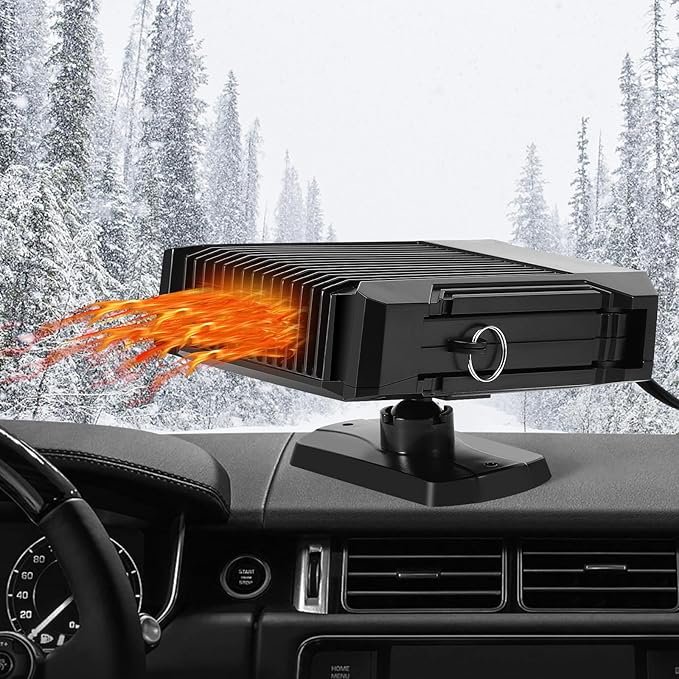
The primary benefit of portable car heaters is their ability to quickly warm up the interior of a vehicle during cold weather. Traditional car heating systems can take time to reach an optimal temperature, leaving drivers and passengers shivering during their commute. Portable heaters, on the other hand, can be plugged into the car’s power outlet, offering instant warmth and relief from the chill. This feature not only contributes to the comfort of the occupants but also aids in improving visibility by melting ice and snow from windows more rapidly.
Conversely, as temperatures rise during the summer months, the need for efficient cooling solutions becomes apparent. Portable car coolers address this demand by providing a convenient way to lower the interior temperature of the vehicle, ensuring a comfortable environment during hot days. These coolers can efficiently circulate cool air within the cabin, making long drives more enjoyable and less taxing on the driver and passengers.
The growing trend of using portable car heaters and coolers not only highlights the advancing technology but also reflects a broader awareness among consumers regarding the significance of comfort and convenience while traveling. As car owners increasingly recognize the advantages these devices offer, investing in portable options becomes an indispensable aspect of modern car ownership, significantly contributing to an overall enhanced driving experience.
The Importance of Temperature Control in Vehicles
Temperature control in vehicles is a critical aspect that directly impacts both the driving experience and passenger comfort. Extreme temperatures, whether hot or cold, can significantly affect an individual’s ability to focus on the road and maintain safe driving conditions. When the interior of a vehicle becomes excessively warm, it can result in drowsiness, a lack of concentration, and an overall decline in driver performance. Conversely, cold temperatures may lead to discomfort, making it challenging for passengers to stay warm and alert during a journey.
The physiological effects of heat and cold on the human body highlight the necessity for effective climate control within vehicles. High temperatures can cause dehydration and heat exhaustion, leading to irritability and reduced cognitive functions. As a result, the likelihood of mishaps on the road increases, posing a risk to both the driver and surrounding vehicles. On the other hand, temperatures that are too cold can result in reduced circulation, slowing reaction times and leading to potential accidents. These conditions can affect individuals traveling short distances as much as long road trips, underscoring the importance of portable car heaters and coolers to achieve ideal climate management.
Additionally, extreme conditions can affect the vehicle’s performance itself, as excessive heat can strain engine components while frigid temperatures may impact battery efficiency. Maintaining an optimal temperature not only enhances comfort but also contributes to the longevity of the vehicle. Thus, it is evident that effective temperature control is essential in ensuring a pleasant driving experience, safeguarding the well-being of the passengers and the overall performance of the vehicle. Investing in portable car heaters and coolers addresses these concerns, ensuring that both heating and cooling needs are adequately met during travels.
Top 10 Car Heaters Best Sellers
Types of Portable Car Heaters
Portable car heaters come in various types, each designed to cater to specific needs and preferences. Understanding these options can significantly enhance your experience during cold weather. One of the most common types is the electric car heater. These devices are simple to use and operate by plugging into your vehicle’s 12V outlet. They are efficient for small spaces and can quickly provide warmth. However, reliance on the car’s battery may limit their use, particularly when the engine is off, as it may lead to battery drain.
Another popular option is the ceramic car heater. These heaters utilize a ceramic element to produce heat, which allows for quick warming and reduces energy consumption. Ceramic heaters are generally lighter and more compact, making them an excellent choice for portability. Additionally, many ceramic models include safety features like automatic shut-off and tip-over protection, enhancing their usability inside a car. However, users should be cautious, as they can become quite hot and may pose a risk if placed too close to flammable materials.
Propane-powered car heaters are the third main type, offering an alternative for those who prefer not to rely on the vehicle’s electrical system. These heaters use propane gas to generate heat, making them suitable for outdoor use or in situations where electric options may not be feasible. However, they require proper ventilation and safety precautions due to the potential for carbon monoxide buildup, thus making them less advisable for enclosed spaces. When selecting a portable car heater, consider factors such as heating capacity, safety features, and power source compatibility to ensure you choose a model that suits your specific requirements and environment.
Types of Portable Car Coolers
Portable car coolers come in various types, each designed to meet specific needs and circumstances. Understanding these types is essential to choose the right cooler for your automobile adventures. The primary categories include electric coolers, passive coolers, and thermoelectric coolers.
Electric coolers are powered by a vehicle’s battery and are highly efficient in maintaining the desired temperature. They often feature advanced insulation and can quickly chill beverages and perishable items to safe temperatures. Electric models, such as compressor coolers, can be used as both refrigerators and freezers, making them versatile choices for long road trips or camping expeditions. However, their primary operation depends on a continuous power source, which may limit usability if the vehicle is off for long periods.
Passive coolers, on the other hand, do not require electricity. Instead, they utilize thermal insulation to retain coldness after a pre-chill. These coolers are often less expensive and more portable, making them an excellent option for short outings, such as picnics or beach trips. When using passive coolers, it’s advisable to pre-chill items in a regular refrigerator or freezer prior to packing them, ensuring optimal temperature retention.
Thermoelectric coolers operate based on the Peltier effect to either heat or cool contents. They are generally lighter than electric coolers and require less power. Ideal for shorter trips or daily commutes, thermoelectric coolers can maintain a moderate cooling effect, though they may not achieve the low temperatures of their compressor counterparts. Additionally, their performance can be affected by external temperatures, making them more suitable for milder climates.
In selecting a portable car cooler, consider the trip length, the types of items to be stored, and the power availability. For extended journeys in hot conditions, an electric cooler is indispensable, while passive models suffice for day trips and minimal perishable storage. Ultimately, the best choice will align with your specific cooling needs and travel preferences.
Benefits of Using Portable Heaters and Coolers
Portable car heaters and coolers are essential tools that can significantly enhance the driving experience. One of the most notable benefits is the increased comfort they provide. In colder climates, a portable heater can quickly warm the interior of a vehicle, ensuring a cozy atmosphere while eliminating the discomfort of frigid temperatures. Conversely, during the hotter months, a portable cooler helps to maintain a refreshing environment, allowing passengers to enjoy their journey without the irritation of excessive heat.
Beyond comfort, the use of portable heaters and coolers in vehicles contributes to enhanced safety. For instance, icy or cold weather can lead to visibility and control issues. By warming up the vehicle before departure with a portable heater, drivers can ensure that windows are clear and defrosted, reducing the risk of accidents. In summer situations, a cooler can prevent heat exhaustion among passengers, particularly for families traveling with children or elderly individuals who are more susceptible to high temperatures.
Moreover, utilizing portable heaters and coolers can result in significant fuel savings. Traditional vehicle heating and cooling systems often draw energy from the car’s engine, which can lead to increased fuel consumption. In contrast, portable devices may operate on their dedicated power source or be more energy-efficient, allowing the vehicle to conserve fuel during usage. For instance, during long trips or camping excursions, where frequent stops are necessary, having a portable heater or cooler can enable more efficient temperature regulation without relying on the vehicle’s built-in systems.
Real-life scenarios illustrate the practicality of these devices. Imagine a family embarking on a cross-country road trip during winter; a portable heater ensures they remain warm at rest stops. Conversely, during a summer camping adventure, a portable cooler keeps beverages and food chilled, enhancing the overall experience. Therefore, whether used in routine commutes or adventurous outings, portable car heaters and coolers serve a multifunctional purpose that is hard to overlook.
Key Features to Consider When Buying
When purchasing portable car heaters and coolers, several critical features should be evaluated to ensure that you select the best option for your needs. One of the primary considerations is the size of the unit. Portable heaters and coolers come in various dimensions, and selecting a unit that fits comfortably in your vehicle is essential. A compact design may be beneficial for those with limited space, while larger models may offer superior performance.
Portability is another significant factor to consider. Choose a model that is lightweight and easy to move to ensure that you can transport it without hassle. Look for features such as handles or wheels that enhance mobility, making it easier to transfer the device between different vehicles or locations as required.
Energy efficiency should also be a top priority when selecting a portable heater or cooler. Devices that consume less power can reduce overall energy expenses and lessen the impact on your vehicle’s battery. Many modern models are designed with energy-saving technologies that allow for effective heating or cooling without excessive energy consumption.
The temperature range is a crucial feature that can significantly influence your comfort. Ensure that the heater can adequately warm your car during cold months while the cooler should be able to deliver satisfactory cooling within your desired limits. Some units may also offer dual functions, providing both heating and cooling capabilities, which can be highly practical.
Lastly, it is wise to check product reviews and the reputation of brands before making a purchasing decision. Feedback from other consumers can provide valuable insights into the performance and reliability of specific models, helping you choose a high-quality portable heater or cooler that meets your expectations.
Safety Tips for Using Portable Heaters and Coolers
The use of portable car heaters and coolers can significantly enhance comfort during travel; however, adhering to safety guidelines is essential for their effective and safe operation. First and foremost, ensure adequate ventilation when using portable heaters. This is particularly critical for fuel-operated heaters, as they can produce harmful fumes. Always crack a window or use the heater in a well-ventilated area to prevent carbon monoxide buildup.
Electrical safety is another paramount consideration. When using electric coolers or heaters, verify that the vehicle’s electrical system can handle the device’s power requirements. Overloading the car’s circuit can lead to electrical failures and potential fires. It is advisable to use devices that comply with safety certifications, which reduces the risk of issues stemming from substandard construction.
Proper placement of portable heaters is crucial in avoiding fire hazards. Never place the heater near flammable materials such as upholstery or paper items. Additionally, portable heaters should always be placed on stable surfaces where they cannot tip over easily. This reduces the risk of inadvertently causing a fire. Utilizing a heater with an automatic shut-off feature can further enhance safety, as it will turn off the device in case of overheating or if it tips over.
Another important aspect is handling the devices according to the manufacturer’s guidelines. Each portable heater and cooler comes with specific instructions that outline safe usage practices. Reading and familiarizing oneself with these manuals can prevent mishaps and prolong the life of the equipment. Following manufacturer guidelines on maintenance and care is also critical, as it helps identify any potential issues before they become hazardous.
In summary, while portable heaters and coolers provide significant convenience, prioritizing safety through adequate ventilation, proper electrical handling, and adherence to manufacturer instructions is essential for a risk-free experience.
Maintenance and Care for Longevity
To ensure that your portable car heaters and coolers function optimally throughout their lifespan, regular maintenance and care are essential. Implementing a routine cleaning schedule not only preserves the device’s efficiency but also enhances its longevity. After each use, it is recommended to wipe down the exterior surface with a damp cloth to remove any dust or debris that may have accumulated during operation. For internal components, refer to the manufacturer’s instructions on disassembly. Some models allow for easy access to the filter and fan, which should be cleaned or replaced regularly as specified in the product manual.
Proper storage of your portable car heaters and coolers is equally vital. These devices should be kept in a dry and cool place to avoid any damage due to extreme temperatures or humidity, which can affect their performance. When stored, ensure that the cables are neatly coiled and not folded sharply, as this can lead to wear and tear over time. Furthermore, it is advisable to store the devices in a protective case if available, to prevent physical damage.
Periodic checks on the functionality of these devices can help identify underlying issues before they escalate into major problems. Test the heater or cooler by running it in a secure environment to ensure it is producing the desired output. Listen for any unusual sounds that could indicate mechanical issues, and check for any irregularities in performance. Common issues include malfunctioning thermostats or blocked air vents. If you encounter any significant problem that cannot be resolved, consult the user manual or reach out to customer service for assistance. By adhering to these maintenance recommendations, you can prolong the lifespan of your portable car heaters and coolers, contributing to effective temperature control in your vehicle.
Conclusion: The Necessity of Portable Car Heaters and Coolers
In today’s fast-paced world, the importance of portable car heaters and coolers cannot be overstated. These devices provide a practical solution for maintaining a comfortable temperature inside your vehicle, regardless of the external weather conditions. Whether you are dealing with the sweltering heat of summer or the biting cold of winter, having access to portable climate control can greatly enhance your travel experience.
Throughout this blog post, we have explored numerous benefits of portable car heaters and coolers. For instance, they offer instant relief from extreme temperatures, ensuring a comfortable environment for both drivers and passengers. This can significantly reduce the stress often associated with long journeys, making it easier for individuals to focus on the road ahead. Furthermore, these devices are typically designed for easy installation and use, adding to their convenience when traveling.
Additionally, investing in a portable car heater or cooler can also improve your vehicle’s overall efficiency. By regulation of the internal temperature, these devices can help maintain battery life and support the functionality of your air conditioning system. This not only extends the lifespan of the car’s components but can also lead to savings on repairs over time.
Ultimately, portable car heaters and coolers prove to be invaluable tools for enhancing comfort and convenience while traveling. As a final call-to-action, it is advisable for readers to assess their specific needs and preferences before making a purchase. Conducting further research and considering various models will help ensure an informed decision, promising greater satisfaction on the road. Embracing the benefits of portable climate control systems could transform your travel experience, making it more enjoyable and comfortable.
Check out more articles
The 10 Best Roof Racks and Crossbars of 2024

Is Maintenance on an Electric Car More Expensive than a Petrol or Diesel Car?

Jaecoo J7: Is this Chinese car any good?

Why Do You Need Car Covers?
The Evolution of Electric Vehicles: Past, Present, and Future Prospects