Introduction to Car Security Systems
Car security systems have become essential components in protecting vehicles from theft and unauthorized access. These systems are designed to deter, detect, and respond to potential threats, thereby safeguarding the vehicle and its contents. As automobile theft rates have increased in recent years, the implementation of effective security measures has never been more crucial. The primary purpose of car security systems is to reduce the risk of theft, ultimately providing vehicle owners with peace of mind.
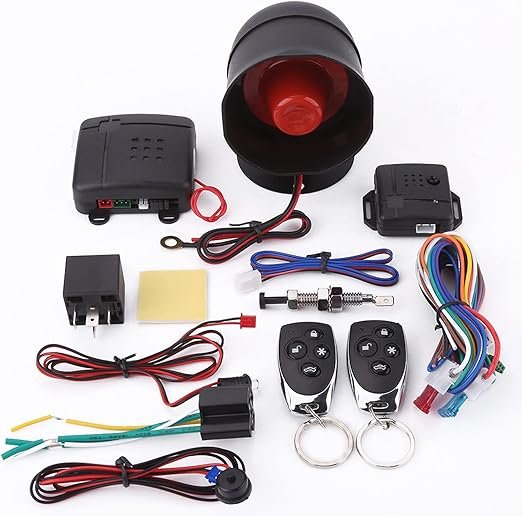
Modern car security systems encompass a variety of technologies that offer different functionalities. At their core, these systems may include alarms, immobilizers, tracking devices, and smart keys, among others. Alarms serve as a deterrent by emitting loud sounds when unauthorized access is detected, while immobilizers prevent the vehicle from being started without the correct key or fob. Tracking devices, often integrated with GPS technology, enable vehicle owners to locate their car in case of theft. Together, these features create a comprehensive security network that enhances the overall safety of a vehicle.
The importance of having a secured vehicle transcends personal possession to encompass broader societal concerns. With vehicles often being among an individual’s most significant investments, it is imperative to protect them adequately. Furthermore, the rising incidence of car theft not only affects individual owners but also impacts insurance rates and community safety. As a result, investing in effective car security systems is not merely a personal decision; it’s a response to a pervasive issue that warrants attention.
In light of these factors, understanding the various types of car security systems available is crucial for anyone seeking to enhance their vehicle’s protection. As we delve deeper into this topic, we will explore the different systems and their respective advantages, allowing vehicle owners to make informed decisions regarding their security needs.
The Rise of Vehicle Crime
Vehicle crime has become an alarming issue in recent years, with a noticeable increase in incidents such as car thefts, break-ins, and vandalism. According to recent statistics, millions of vehicles are reported stolen each year, with certain regions experiencing a higher prevalence of this crime. For instance, studies show that urban areas are particularly vulnerable, as they tend to be hotspots for criminal activity due to their population density and anonymity.
In addition to theft, car break-ins have also surged, with thieves often targeting vehicles left unattended, especially if valuables are visible. The National Insurance Crime Bureau has reported that the number of car break-ins can vary seasonally, with a spike in incidents during the holiday season when many individuals travel, leaving their vehicles parked for extended periods. Furthermore, vandalism is another contributor to the rise in vehicle crime, with actsof deliberate damage becoming more frequent and impacting not just the vehicle owners but also communities at large.
This upward trend in vehicle crime can largely be attributed to various factors, including economic downturns, social unrest, and the increasing sophistication of criminal networks. Additionally, the proliferation of social media and online marketplaces has made it easier for criminals to sell stolen vehicles or parts, further incentivizing the commission of such crimes. As a result, the need for robust car security systems has never been more critical for vehicle owners seeking to protect their assets. Investing in enhanced security measures, such as alarms, immobilizers, GPS tracking systems, and comprehensive insurance policies, has become essential in mitigating the risks associated with increasing vehicle crime rates.
Types of Car Security Systems
Car security systems have evolved significantly, providing a range of protective features designed to deter theft and protect vehicles. Understanding the various types of car security systems available on the market can help vehicle owners make informed decisions about their car’s safety. This section explores four primary types: alarms, immobilisers, GPS tracking devices, and steering wheel locks.
Firstly, car alarms are one of the most recognized forms of vehicle protection. These systems typically use a combination of sensors to detect unauthorized entry or movement. When triggered, the alarm emits a loud sound, drawing attention and potentially scaring off would-be thieves. Many modern alarms also come with smartphone integration, allowing owners to receive real-time alerts about their vehicle’s status, thereby enhancing its security.
Another crucial type is the immobiliser, which prevents the vehicle from starting without the correct key or fob. This technology effectively locks the engine or fuel system, making it nearly impossible for unauthorized users to operate the vehicle. Immobilisers have become standard in many new car models, providing an added layer of security against theft.
GPS tracking devices are advanced systems that enable vehicle owners to monitor their car’s location remotely. In the event of theft, these devices can provide real-time location data to law enforcement, increasing the chances of recovery. Some GPS systems offer additional features such as geofencing, which alerts owners if their vehicle moves outside a designated area.
Lastly, steering wheel locks are a physical deterrent that secures the steering wheel to impede driving. While they may not be as sophisticated as electronic systems, these locks are highly visible, discouraging theft by signaling that the vehicle is protected. Each of these car security systems offers unique benefits, and when used in combination, they can significantly enhance a vehicle’s overall security.
Top 10 Car Security Systems – Best Sellers
Benefits of Installing a Car Security System
In today’s world, ensuring the safety of your vehicle is paramount, making the installation of a car security system an essential consideration for vehicle owners. One of the primary advantages of having such a system is the potential for reduced insurance premiums. Many insurance companies recognize the value of additional security measures and may offer discounts to policyholders who install advanced security devices. This financial benefit softens the upfront costs of the system, making it a smart investment for your vehicle’s protection.
Peace of mind is an often-overlooked advantage that accompanies the implementation of a car security system. Knowing that your vehicle is safeguarded against theft and vandalism allows you to go about your daily routine with confidence. This assurance is especially crucial in areas with high crime rates, where the threat of theft can be a constant concern for vehicle owners. The presence of a security system may significantly reduce worries and promote a sense of security for both the owner and their passengers.
Moreover, visible security features act as a significant deterrent to would-be thieves. Many criminal activities are often opportunistic, and the sight of a well-designed car security system can dissuade potential thieves from targeting your vehicle. The knowledge that a vehicle is equipped with advanced anti-theft technology can make other options appear less appealing. Additionally, should a theft occur, modern car security systems employ various methods to aid in vehicle recovery, such as GPS tracking and alarms that trigger notifications to the owner and law enforcement. These features not only enhance your chances of recovering your stolen vehicle but also ensure that the incident is dealt with swiftly and effectively.
How Car Security Systems Work
Car security systems have evolved significantly over the years, incorporating advanced technologies that collectively enhance vehicle safety and deter theft. The primary mechanism through which these systems operate is through a combination of alarms, immobilisers, and GPS tracking, all designed to protect vehicles effectively.
One of the most common components of a car security system is the alarm. When triggered, an alarm emits a loud sound designed to attract attention and deter potential thieves. Modern alarm systems are equipped with motion sensors, door sensors, and glass break sensors that detect unauthorized entry or movement. When any of these sensors are activated, the alarm is triggered, alerting the vehicle owner and potentially scaring off the intruder.
Another crucial element is the immobiliser, which prevents the engine from starting without the correct key or fob. This technology works by disabling the fuel system or ignition system when an unauthorized attempt is made to start the vehicle. As a result, even if a thief manages to enter the car, they will be unable to drive it away, thus significantly reducing the likelihood of theft.
GPS tracking is another key feature found in modern car security systems. This technology enables vehicle owners to monitor the location of their car in real-time. In the event of theft, the owner can quickly report the vehicle’s location to law enforcement, increasing the chances of recovery. Many GPS systems include additional features such as geofencing, which can alert the owner if the vehicle moves outside a pre-defined area.
Moreover, with the advent of smartphone applications, owners can now control and monitor their car security systems from anywhere. This integration of technology enables real-time notifications about suspicious activities, providing peace of mind to vehicle owners.
Choosing the Right Security System for Your Vehicle
Selecting an appropriate car security system is essential to safeguard your vehicle against theft and damage. As vehicle models and the technology behind them evolve, it is crucial for car owners to assess their unique requirements when choosing a security system. Various factors must be taken into account to ensure you make the right decision.
Firstly, consider the type of vehicle you have. Different makes and models may require specific security solutions. High-value vehicles, for instance, might benefit from advanced systems that offer tracking capabilities and remote immobilization. Conversely, older or less expensive cars might only need basic alarm systems or steering wheel locks. Identifying your vehicle’s vulnerabilities can significantly influence your choice.
Budget is another critical factor to consider. The range of security systems on the market varies widely in price. While investing in a high-end system may provide additional features, many reliable solutions are available at moderate prices that effectively deter theft. Analyze your budget and align it with the level of protection you seek, bearing in mind that a good quality system is often more cost-effective in the long run.
Ease of installation should also factor into your decision-making process. Some car security systems are designed for straightforward installation and can be handled by the vehicle owner, while others may require professional installation. Assess your comfort level with DIY projects, and if in doubt, opt for a system that offers professional assistance or clear installation guidelines.
Finally, personal preferences play a role in selecting a security system. Do you value remote access via mobile applications? Or perhaps you are more concerned with audible alarm features? Taking the time to consider what features resonate with you will ensure that the security system you choose meets your expectations.
In conclusion, choosing the right car security system involves carefully evaluating your vehicle type, budget, installation ease, and personal preferences. By doing so, you can invest in a quality security system that best suits your needs while enhancing your vehicle’s safety.
Maintaining Your Car Security System
To ensure the effectiveness of your car security system, regular maintenance is essential. A properly functioning security system acts as a deterrent to theft and provides peace of mind to vehicle owners. Therefore, it is crucial to routinely check the system’s functionality. Begin by testing the alarm system; activities such as activating and deactivating the alarm can help identify any issues. If your system integrates with remote access features, ensure that these protocols are functioning correctly, as they are critical for timely alerts and response.
Battery maintenance plays a pivotal role in the longevity of car alarms and trackers. Most security devices have backup batteries that need periodic checking and replacement. Over time, batteries can lose their charge or capacity to hold energy, rendering your system ineffective during emergencies. Schedule regular inspections of these batteries, usually every six months, and replace them as necessary to ensure that your car security systems remain reliable.
Furthermore, if your car security system includes digital components, it is vital to keep the software updated. Manufacturers regularly release updates to patch potential vulnerabilities. Failing to apply these updates can leave your vehicle susceptible to cyber threats. Set reminders to periodically check for software updates, and when available, ensure that your system is updated promptly. This proactive approach can substantially reduce the risk of unauthorized access to your vehicle.
In conclusion, maintaining your car security system is not merely a suggestion but a necessity. Regular functionality checks, battery care, and software updates are fundamental practices that enhance your vehicle’s protection against theft and unauthorized intrusion. By implementing these maintenance tasks, you contribute to the overall security of your vehicle and ensure peace of mind for yourself and your loved ones.
Legal Considerations and Compliance
When it comes to car security systems, understanding the legal landscape is crucial for vehicle owners. Different jurisdictions have established regulations governing the installation and use of these systems to ensuring the protection of privacy rights, property rights, and public safety. Before installing any car security device, it is essential to review local laws and regulations that may affect its legality and operation.
In many areas, certain types of car security systems may require specific permits or adherence to set standards. For instance, GPS tracking devices might be subject to privacy laws that restrict their use without the consent of the vehicle’s occupants. Other systems, such as immobilizers or alarms, must comply with local specifications to minimize the risk of false alarms, which can lead to legal repercussions for vehicle owners.
Failure to comply with these regulations can result in fines or even criminal charges, depending on the severity of the infraction. Additionally, non-compliance may also affect the effectiveness of insurance claims in the event of theft or damage. Many insurance providers offer discounts for vehicles equipped with approved security measures, hence ensuring that the installed systems meet legal requirements can have financial benefits as well.
Moreover, evolving technology in car security may introduce new legal considerations. As technology advances, laws may also change to address issues related to data privacy and the use of surveillance. Therefore, keeping abreast of these developments is vital for vehicle owners to not only stay compliant but also to ensure that their car security measures are effective and trustworthy.
Ultimately, prioritizing legal compliance in the selection and installation of car security systems not only protects vehicle owners from potential legal issues but also enhances the overall efficacy of the security measures employed.

Future Trends in Car Security
As the automotive industry continues to evolve, so too does the field of car security. Emerging trends are reshaping how we approach vehicle protection, with innovations that aim to enhance safety and deter theft. One of the primary advancements is the integration of smart technology into car security systems. These systems leverage IoT (Internet of Things) connectivity, allowing vehicle owners to control and monitor their car’s security remotely through smartphones. This capability not only provides convenience but also offers real-time alerts in case of unauthorized access or suspicious activity.
Artificial intelligence (AI) is another significant trend influencing the future of car security. AI algorithms are becoming increasingly sophisticated, enabling systems to learn vehicle usage patterns and detect anomalies. For example, a car security system equipped with AI may recognize habitual routes and alert the owner if the vehicle deviates from these patterns. Additionally, AI can enhance video surveillance systems, utilizing facial recognition features and intelligent motion detection to provide a higher level of security. As a result, car owners can expect more robust defense mechanisms against potential threats.
Another promising trend is the development of biometric authentication systems. While traditional means of securing vehicles, such as key fobs and remote locks, are still prevalent, biometric technologies such as fingerprint and facial recognition provide an additional layer of protection. This trend could significantly reduce the risk of key theft, which is a common method for vehicle theft. Furthermore, as electric and autonomous vehicles gain traction, security systems will likely evolve in parallel to address unique challenges these technologies present.
In summary, as vehicles continue to integrate advanced technologies, car security systems will adapt accordingly. The trends of smart technology integration, AI innovations, and biometric authentication are poised to redefine how we protect our vehicles in the coming years, ultimately aiming to enhance user safety and security. The future of car security appears to hold promising advancements that will shape and strengthen vehicle protection strategies.