Understanding Parking Tickets
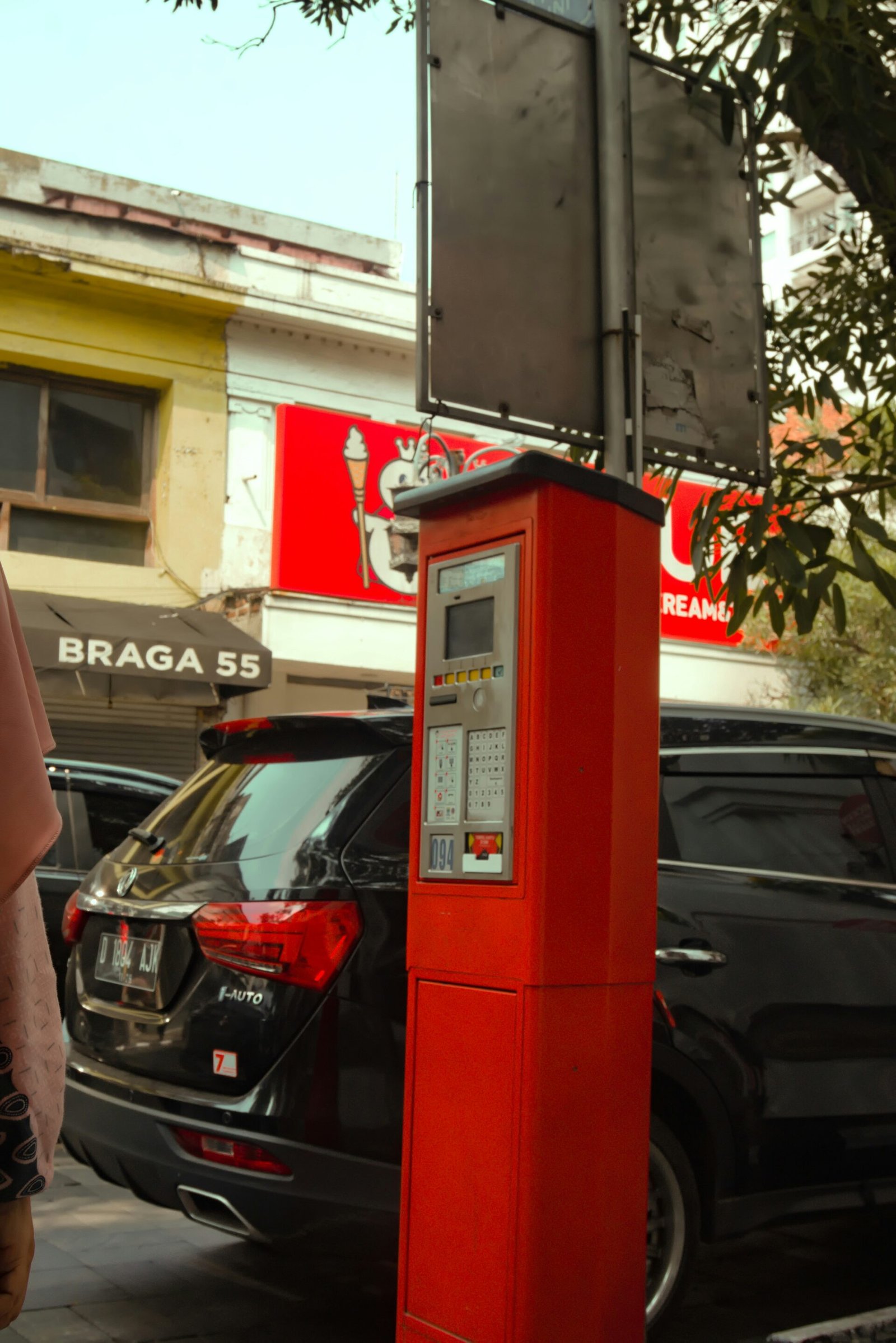
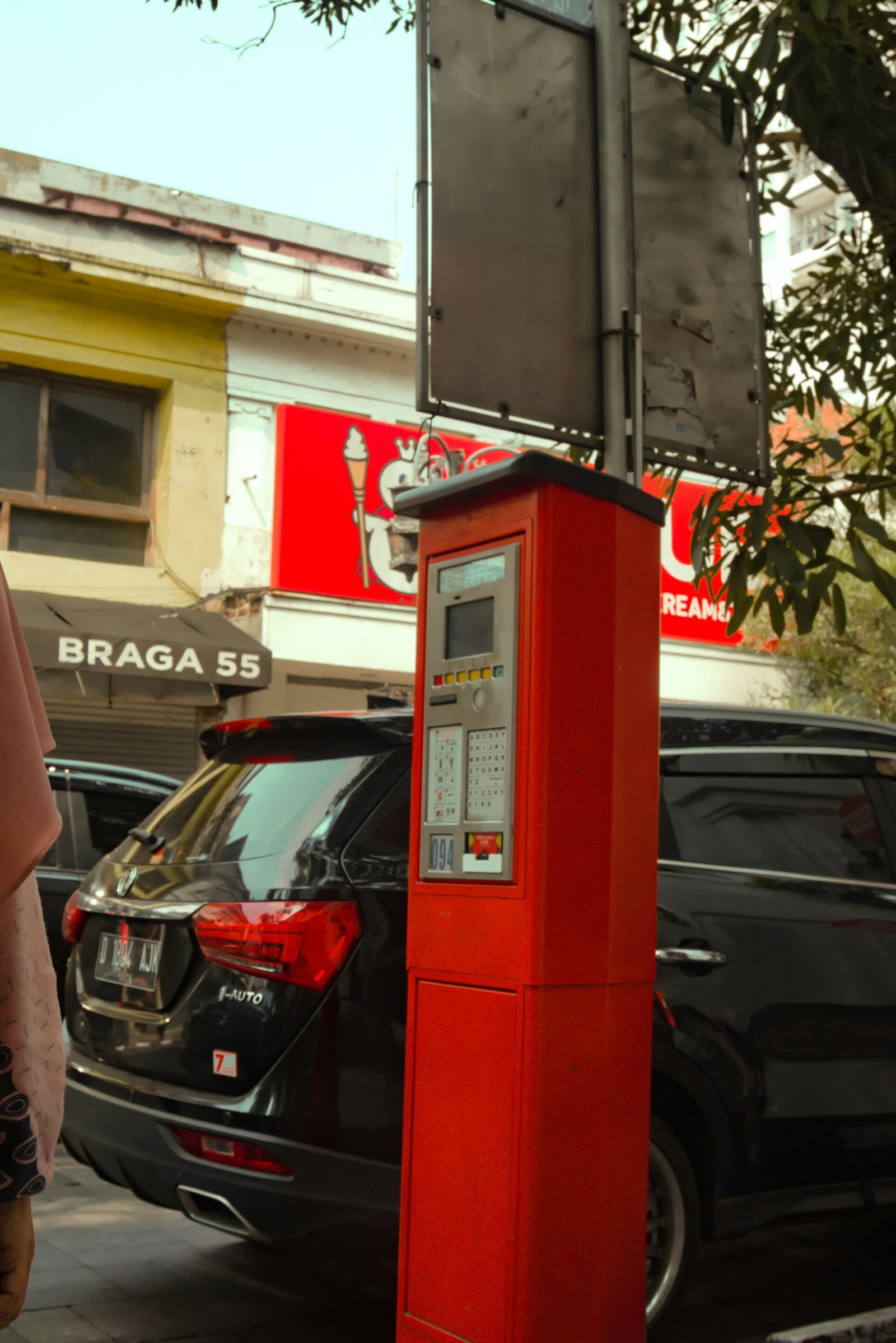
A parking ticket is a notice issued by law enforcement or parking enforcement officials indicating that a vehicle has violated parking regulations. Typically, there are two common types of parking tickets: those issued for expired meters and those given for illegal parking, which may include violations such as parking in a no-parking zone, parking in a handicap space without a proper permit, or exceeding the allowed time limit in a designated area. These tickets serve not only as a means of enforcing local parking laws but also as a source of revenue for municipalities.
The process of issuing a parking ticket typically begins when an enforcement officer observes a vehicle in violation of parking rules. The officer will document the infraction and then place a ticket on the vehicle or hand it to the driver if they are present. The ticket specifies the violation, the date and time the ticket was issued, and the fine amount. Vehicle owners are generally given a specified period within which they can pay the fine or contest the ticket.
Common reasons for issuing parking tickets include neglecting to pay for parking at metered spaces, parking in a restricted area, or committing other violations such as blocking driveways or fire hydrants. It is crucial for vehicle owners to be aware that failing to pay parking tickets in a timely manner can lead to increased fines, as well as further legal implications. In some jurisdictions, unpaid parking tickets may eventually be sent to collections, which can negatively impact an individual’s credit score.
By understanding the various aspects of parking tickets, including their types, the ticketing process, and potential consequences for non-payment, vehicle owners can better navigate their obligations and avoid the pitfalls that come with unresolved tickets.
The Connection Between Parking Tickets and Credit Scores
Parking tickets, while often perceived as minor infractions, can have significant implications for an individual’s credit score, particularly if these tickets remain unpaid. Unpaid parking tickets can eventually lead to collections, a process that initiates when the issuing authority seeks to recover the outstanding amount through third-party collection agencies. Once a debt is sent to collections, it can appear on a consumer’s credit report, and this is where the connection between parking tickets and credit scores becomes evident.
When a collection account is reported, it typically results in a decrease in the credit score. Credit scores are calculated based on various factors, including payment history, total debts, and the proportion of credit in use. An unpaid parking ticket that escalates to a collections account negatively impacts the payment history component, which constitutes one of the most significant factors in the scoring model. As a result, individuals may face challenges when applying for loans, credit cards, or even renting properties, as potential lenders and landlords often assess credit scores to determine the risk associated with potential tenants or borrowers.
It is a common misconception that parking tickets are too trivial to reflect on one’s credit score. However, individuals who ignore these fines risk allowing them to transform into collection accounts. The noise around credit scores can lead many to underestimate the weight of such debts. Vigilance regarding parking ticket payments is thus crucial. Addressing these infractions promptly not only prevents collections but also preserves the individual’s credit standing, ensuring that financial opportunities remain accessible. Understanding this connection allows for better financial management and responsible behavior regarding parking regulations.
What Happens When a Parking Ticket Goes Unpaid
Failing to pay a parking ticket may lead to a series of escalating consequences. Initially, the individual is typically given a grace period to settle the fine, after which late fees may be applied. These additional charges can increase the total amount owed, making it more difficult to resolve the obligation in a timely manner. As the fine remains unpaid, the local authority may issue a final notice, further urging the individual to remit payment.
If the ticket continues to be ignored, there is a possibility that the matter will be referred to a collection agency. When a collection agency becomes involved, it often results in more aggressive attempts to recover the debt, including persistent communication and potential legal action. Failure to respond can lead to court appearances, which not only incur additional fees but also take time and resources to address.
The ramifications of not addressing a parking ticket expand beyond immediate financial penalties. When an account is transferred to a collection agency, it may get reported to credit bureaus. This reporting can lead to a significant negative impact on a person’s credit score, as collection accounts are viewed unfavorably by lenders. In particular, multiple unpaid tickets can accumulate and compound the damage to one’s credit profile.
The timeline for these actions varies based on local laws and the specific policies of the issuing authority. Generally, if a parking ticket remains unpaid for a certain duration, the progression from late fees to collections can occur within a matter of months. Understanding these consequences is crucial for individuals who wish to maintain their credit standing, as neglecting a seemingly minor parking violation can have long-term financial implications. By addressing parking tickets promptly, individuals can avoid the pitfalls associated with unpaid fines and their repercussions on credit scores.
The Role of Collection Agencies
When a parking ticket remains unpaid for an extended period, the situation may escalate as the debt is transferred to collection agencies. Initially, a parking ticket is typically handled by the local jurisdiction’s parking enforcement division. However, if the ticket is not addressed within a specified timeframe, the local authorities may resort to engaging a collection agency to recover the outstanding amount. This process marks the beginning of a potentially damaging journey for a consumer’s financial standing.
Once a collection agency is involved, the consumer may receive notices indicating that the debt has been sold or assigned to a third party. These agencies specialize in recovering debts that remain unpaid, and their methods can include persistent communications. It is important to note that such actions can lead to negative implications for the consumer’s credit rating. When a parking ticket is in collections, it is often reported to credit bureaus, reflecting as a “collection account” on the credit report. This can severely affect an individual’s credit score, making future credit applications more challenging and potentially leading to higher interest rates.
The impact of having a collection account on one’s credit rating can be significant. Typically, the presence of such an account can result in a decrease in the credit score ranging from 100 to 200 points, depending on the individual’s overall credit profile. Furthermore, the account may remain on the credit report for up to seven years, limiting access to favorable credit terms long after the debt has been resolved. Therefore, it is crucial for consumers to monitor their credit statuses and manage unpaid parking tickets proactively to avoid the repercussions of collections, which can tarnish their financial reputations for an extended period.
State-Specific Laws and Regulations
When considering the impact of unpaid parking tickets on credit scores, it is crucial to recognize that the regulations can vary significantly from state to state. Some states have stringent laws that allow municipalities to report unpaid parking tickets to credit bureaus after a specified period, while others may have more lenient practices. For instance, in states like California, unpaid tickets can be sent to collections after the individual has failed to pay within a certain timeframe, which may subsequently lead to a negative impact on their credit report. Conversely, other states may not report tickets unless they escalate to a collections agency, thus providing some leeway for individuals to manage their debts without immediate repercussions on their credit standing.
Furthermore, the penalties associated with unpaid parking tickets also exhibit variability. In certain jurisdictions, failing to pay a parking ticket may result in additional fines, vehicle booting, or even towing, which can complicate matters further. This is noteworthy as accumulation of fines can create a distressing financial burden and could potentially affect one’s ability to settle outstanding debts, possibly leading to a negative comprehension of their creditworthiness. Other states, however, may employ less aggressive measures, allowing for more flexibility in payment options and grace periods.
In addition to the varied penalties, there is a critical difference in the timeframes whereby incurred parking tickets transition from unresolved fines to credit report entries. While some states may require unresolved tickets to age for several months or even years before being reported, others have shorter timeframes. It is advisable for individuals to be aware of their state-specific laws and regulations regarding parking tickets, as understanding these nuances can equip them to better manage potential impacts on their credit score.
Ways to Avoid Negative Effects on Credit Score
Managing parking tickets effectively is essential to safeguard your credit score from potential negative impacts. One of the most straightforward ways to avoid these repercussions is by ensuring that parking tickets are paid promptly. Most jurisdictions grant a grace period for payment, and settling the fines within this timeframe can prevent the escalation of fines and the risk of the debt being sent to collections. Timely payments not only nullify the immediate financial burden but also protect your creditworthiness, as collection accounts seriously harm credit scores.
If you believe a parking ticket has been issued unfairly, it is advisable to dispute the ticket as soon as possible. Each jurisdiction typically has a process available for contesting tickets that allows the citizen to present evidence or reasoning for why the ticket should be rescinded. This process can help avoid unnecessary fines that could inadvertently affect your credit profile. Documenting your dispute thoroughly will be beneficial not only in the disputing process but also in maintaining an accurate record of your interactions regarding any tickets received.
Maintaining meticulous records concerning all parking-related payments and communications is equally important. Keep copies of any receipts and documents regarding disputes or payments for at least a few months after resolution. This documentation serves as vital evidence should any issue arise in the future regarding your payment history. You may also want to consider creating a calendar alert for due dates of parking tickets or relevant follow-up dates, ensuring that nothing falls through the cracks.
By implementing these practical strategies, individuals can effectively minimize the risk of parking tickets affecting their credit scores and maintain a positive credit profile. Consistent diligence and active management of parking-related obligations will contribute significantly to overall financial well-being.
Steps to Take if You Have an Unpaid Ticket
Receiving a parking ticket can be an inconvenient experience, particularly when it relates to potential impacts on your credit score. If you find yourself with an unpaid parking ticket, it is important to take proactive measures to address the situation. Here are the steps you should consider pursuing.
First and foremost, assess the citation details. Review the ticket and understand the amount owed, any fines, and the payment due dates. Early action can prevent an escalation to collections, which may adversely affect your credit score. If you are unable to pay the amount in full, inquire about setting up a payment plan with the issuing agency. Many municipalities offer flexible options that allow you to pay off the fine in smaller, manageable installments, thereby minimizing the risk of the ticket being sent to collections.
If you believe the ticket was issued in error, consider appealing it. Most jurisdictions provide a protocol for contesting parking tickets, which generally involves submitting a formal appeal with any supporting evidence you may have, such as photographs or witness statements. Be mindful of submission deadlines to ensure your appeal is considered.
In cases where the ticket has already progressed to collections, communication is crucial. Contact the collections agency to discuss your options and express your willingness to resolve the debt. It may be possible to negotiate a reduced payment or come to an agreement to settle the account. Document all communications, as this could be useful if discrepancies arise later.
By taking these proactive steps, you can effectively manage an unpaid parking ticket and help mitigate any negative effects it may have on your credit score, ensuring you maintain your financial health and creditworthiness.
Monitoring Your Credit Score
Monitoring your credit score is an essential practice for maintaining your financial health, especially when considering the potential implications of negative items such as unpaid parking tickets. A parking ticket, while seemingly minor, can evolve into a more significant issue affecting your credit status if it remains unpaid and is sent to collections. Regularly checking your credit score enables you to stay informed about your credit health and manage any adverse effects.
There are numerous tools and services available today that facilitate the tracking of credit scores. Many financial institutions offer free credit score monitoring as part of their banking services. Additionally, specialized credit monitoring services provide alerts for significant changes in your credit report, ensuring you are quickly informed if a negative entry, such as an unpaid parking fine, emerges. By taking advantage of these offerings, you can mitigate potential harm by addressing negative items promptly.
When monitoring your credit score, it is essential to understand how to interpret score changes and reports. Familiarizing yourself with the factors that influence your score, such as payment history, credit utilization, and new credit inquiries, will help you recognize how various items impact your overall credit picture. If you notice a drop in your score, it’s crucial to investigate your credit report for negative entries and address any inaccuracies or outstanding debts, including parking tickets that may have been overlooked.
In conclusion, vigilant monitoring of your credit score plays a vital role in safeguarding against the adverse effects of unpaid parking tickets and other negative items. By utilizing available tools and understanding your credit report, you can effectively manage your financial health and maintain a favorable credit score.
Conclusion: Take Control of Your Parking Regulations
In conclusion, understanding the potential ramifications of parking tickets on your credit score is vital for maintaining financial health. As explored throughout this article, parking violations, if left unpaid or unresolved, can lead to significant repercussions, including the involvement of collection agencies and adverse reporting to credit bureaus. This can ultimately result in a decreased credit score, which affects one’s ability to secure loans, mortgages, and even rental agreements.
Being proactive about parking regulations and ticket management can mitigate these risks. By regularly reviewing any parking citations and addressing them promptly, individuals can avoid the escalation of fines and the potential transition of these debts to collections. It is also critical to stay informed about local parking laws and changes that may affect your driving habits and responsibilities. Keeping up with these regulations not only helps in avoiding tickets but also fosters better credit management practices.
Moreover, if a parking ticket does lead to negative impacts on your credit score, know that there are steps you can take to rectify the situation. Paying off any outstanding tickets, challenging disputed charges, and monitoring your credit report are all essential actions that can help restore your credit standing. As you navigate your parking habits, remember that a proactive approach and informed decisions are key. Making an effort to understand the connection between parking citations and credit scores can empower you to take control of your finances and safeguard your credit health.
Tired of backseat meltdowns, muddy boot prints, and endless clutter on the motorway? Our expert automotive testing team has curated the ultimate top 10 car accessories for kids to transform family journeys across the UK.
Our editorial team independently assesses motoring accessories based on real-world utility in UK driving and parking environments. Evaluation criteria include build quality under damp British weather conditions, ease of fitment across common UK boot sizes (hatchbacks, estates, and SUVs), anti-theft reliability in public car parks, and long-term value for money. We only recommend accessories that meet strict motorist security and convenience standards.
Any British parent who has braved the M5 during bank holiday weekend knows that travelling with children can quickly test the limits of your sanity. From spilled Ribena across pristine upholstery to the chorus of ‘Are we nearly there yet?’, family road trips require tactical preparation. The right car accessories do far more than merely keep the cabin tidy; they safeguard your vehicle’s resale value, prevent dangerous driver distractions, and ensure your little ones remain safe, supported, and content. We put dozens of family-focused motoring gadgets through their paces—assessing durability, ease of cleaning, crash-test safety compatibility, and genuine child approval—to bring you the ten essential car accessories every UK family needs.
Diono Stow 'n Go Deluxe Car Seat Organiser
The Diono Stow ‘n Go Deluxe is a masterclass in cabin organisation. Fastening securely around any standard front headrest and seat base, this multi-pocket organiser instantly turns chaotic clutter into an orderly storage wall. Constructed from robust, waterproof fabric, it reliably catches mud and grime from restless toddler shoes while providing dedicated compartments for drinks, wet wipes, colouring books, and small toys. It folds down flat when not in use, making it an indispensable, low-profile companion for daily school runs and long holiday drives across the UK.
- Seven deep pockets including twin drinks holders
- Durable, waterproof fabric protects front seat backs from kicks
- Universal fit suited to virtually all vehicle seat profiles
- Easy wipe-clean surface repels spilled liquids and dirt
- Bottom fastening strap can be visible on some front seat designs
- Lacks a dedicated clear touchscreen tablet sleeve
| Material | Waterproof 600D Polyester |
|---|---|
| Dimensions | 38.1 x 0.6 x 57.2 cm |
| Weight | 240 g |
| Attachment Method | Adjustable top and bottom buckle straps |
Kenley Kids Travel Play Tray
Keeping younger children engaged without relying solely on screen time is a challenge, but the Kenley Kids Travel Play Tray delivers a brilliant solution. Featuring reinforced, raised sidewalls that stop crayons and snacks from plummeting into the seat crevices, this sturdy lap desk rests comfortably over a booster or car seat. The dry-erase surface allows direct drawing with erasable markers, while padded mesh underside keeps little laps cool. For motorway cruising, it creates a self-contained activity station that substantially cuts down backseat whining.
- Reinforced high side walls prevent toys and crayons rolling off
- Ergonomic padded base rests comfortably on child's lap
- Includes wipe-clean dry-erase surface for drawing
- Plenty of mesh side pockets for pens and snacks
- Bulky to store in smaller car boots when not in use
- Requires unbuckling before your child can exit the vehicle
| Material | Nylon with EVA foam reinforcement |
|---|---|
| Dimensions | 41.9 x 34.3 x 10.2 cm |
| Weight | 1.05 kg |
| Attachment Method | Adjustable quick-release harness strap |
Kinder Fluff High-Density Car Window Sun Shade (Pack of 4)
Cheap suction-cup sun shades frequently pop off the glass mid-drive, leaving your sleeping child exposed to harsh glare. Kinder Fluff eliminates this frustration using electro-static cling film that adheres smoothly to side windows without suckers or adhesives. The pack includes two semi-transparent shades for the driver’s blind-spot visibility and two high-density shades providing 99.79% UVA and 99.95% UVB protection for passenger windows. They block heat remarkably well, keeping the cabin cooler on sweltering summer afternoons.
- Static-cling technology requires no fiddly or dangerous suction cups
- Certified high-density mesh effectively blocks harmful UV radiation
- Pack of four covers multiple rear side windows
- Folds down easily into a compact storage pouch
- Windows cannot be wound down whilst shades are attached
- Glass must be thoroughly cleaned before application for maximum adhesion
| Material | 120 GSM Mesh with 15s Static Cling Film |
|---|---|
| Dimensions | 51 x 31 cm |
| Weight | 240 g |
| Attachment Method | Electrostatic cling |
Bcozzy Kids Chin-Supporting Travel Pillow
Every parent dreads glancing in the rear-view mirror only to see their sleeping toddler slumped awkwardly forward with their head dangling. Traditional U-shaped neck pillows fail to solve this, but the Bcozzy wrap-around design features overlapping arms that support the chin from underneath. This maintains an aligned, comfortable posture without pushing the child’s head forward against the car seat headrest. Soft microfleece fabric prevents skin irritation, and the entire unit is fully machine washable after inevitable juice spills.
- Patented overlapping design prevents head-drop while sleeping
- Fully machine washable for effortless hygiene
- Plush microfleece material is gentle on sensitive skin
- Built-in carry loop clips onto backpacks or luggage
- Can feel somewhat warm around the neck in mid-summer
- Sizing is critical; only suited for children aged roughly 3 to 8 years
| Material | Polyester Microfleece with hollow fibre filling |
|---|---|
| Dimensions | 22.1 x 19.8 x 6.9 cm |
| Weight | 160 g |
| Attachment Method | Contoured wrap-around fit with snap closure |
TFY Universal Car Headrest Mount for Tablets
Rigid plastic headrest mounts can rattle incessantly on coarse UK road surfaces and pose a potential hazard in a collision. The TFY mount cleverly uses a heavy-duty, adjustable elastic strap that wraps tightly around the front seat headrest, securing your iPad or tablet with tough silicone corner grips. It holds screens firmly without shaking, allows full access to charging ports and volume buttons, and can be adjusted horizontally or vertically. Best of all, it takes seconds to remove and swap between cars.
- Elastic and silicone design avoids noisy plastic rattles
- Universal fit accommodates tablets from 7 to 10.5 inches
- Low profile minimises injury risk in sudden stops
- Instant installation and removal without tools
- Thick, bulky rugged kids' cases must be removed before mounting
- Cannot be tilted towards the middle seat easily
| Material | Velcro-secured elastic webbing with silicone brackets |
|---|---|
| Dimensions | 20.3 x 12.7 x 2.5 cm |
| Weight | 180 g |
| Attachment Method | Elastic hook-and-loop headrest wrap |
Diono Grip It Car Seat Protector Mat
Modern child car seats are notoriously heavy, and combined with ground-in biscuit crumbs, they can permanently indent and scuff your car’s leather or upholstery. The Diono Grip It features dense internal foam panels finished with a high-friction vinyl backing that stops child seats from sliding around. It is completely compatible with ISOFIX anchorage points and seat belts alike. Its waterproof construction ensures that spilled drinks never seep into your car’s underlying cushions, safeguarding your vehicle’s condition.
- Prevents permanent indentations and friction damage to seats
- Non-slip top and bottom surfaces enhance child seat stability
- Full ISOFIX latch compatibility
- Waterproof surface catches spills and grit
- Does not feature extended kick protection up the backrest
- Can become stiff in freezing winter temperatures
| Material | High-density nylon and anti-slip vinyl |
|---|---|
| Dimensions | 48.3 x 106.7 x 0.5 cm |
| Weight | 520 g |
| Attachment Method | Tuck-in tab and contour moulding |
My Carry Potty Portable Travel Potty
Motorway service stations are frequently few and far between when a newly potty-trained toddler announces an urgent emergency. Invented by a UK mum, My Carry Potty provides an ingenious, completely leak-proof solution. Looking like an appealing little suitcase, it features an airtight rubber seal and secure clip latch that locks liquid and odours inside completely, allowing you to deal with disposal once you reach a proper facility. It eliminates the need for wasteful single-use plastic liner bags.
- 100% leak-proof and odour-proof airtight seal
- Does not require expensive disposable plastic liners
- Engaging, child-friendly animal designs encourage potty use
- Compact footprint fits neatly in footwells or car boots
- Requires manual emptying and washing out after use
- Bulkier than simple folding wire-frame travel potties
| Material | High-grade recyclable polypropylene |
|---|---|
| Dimensions | 26.0 x 23.5 x 15.2 cm |
| Weight | 850 g |
| Attachment Method | Freestanding with secure latch handle |
Drive Auto Products Waterproof Car Bin
Empty crisp packets, fruit peels, and used wet wipes quickly turn family cars into mobile rubbish tips. The Drive Auto Products Car Bin is an impermeable waste container equipped with a wipe-clean thermal lining that prevents sticky drink dregs from leaking onto vehicle carpets. It features an adjustable strap allowing it to be hung from headrests, centre consoles, or placed in the rear footwell. Mesh external pockets provide quick storage for spare rolls of bin liners, keeping your vehicle spotless.
- Fully waterproof heat-sealed interior lining prevents leaks
- Soft-top rubberised feeding lid traps odours and hides rubbish
- Adjustable strap fits around headrests or gear shifters
- External mesh pockets hold spare bin liners or wipes
- Occupies valuable rear passenger footwell space in compact cars
- Emptying awkward gooey debris can require thorough hose-outs
| Material | 600D Oxford Cloth with PEVA waterproof lining |
|---|---|
| Dimensions | 38.1 x 25.4 x 15.2 cm |
| Weight | 410 g |
| Attachment Method | Adjustable quick-clip buckled webbing strap |
Royal Rascals Baby Rear-Facing Car Mirror
Rear-facing car seats are the safest way for infants and toddlers to travel, but not being able to see your child’s face can cause immense driver anxiety. The Royal Rascals mirror straps securely to the rear seat headrest using dual cross-straps, providing a panoramic, crystal-clear reflection through your rear-view mirror. Built from shatterproof acrylic and crash-tested for road safety, the ball-and-socket joint enables pinpoint 360-degree articulation so you can monitor breathing, dropped dummies, and sleep status at a quick glance.
- Shatterproof convex acrylic glass provides wide-angle view
- Dual cross-strap mount prevents mirror shifting over bumps
- 360-degree ball joint allows micro-adjustments for perfect angle
- Crash-tested and rigorously safety certified
- Only works on cars with adjustable rear headrests
- Requires periodic re-tightening as headrest straps settle
| Material | Shatterproof Acrylic with ABS impact frame |
|---|---|
| Dimensions | 24.5 x 17.5 x 7.0 cm |
| Weight | 380 g |
| Attachment Method | Dual-buckle criss-cross headrest straps |
Munchkin Brica Deluxe Snack Pod & Drink Holder
Toddlers struggle to balance open drinks cups and snack tubs on vehicle journeys, almost always leading to messy spills in the seat creases. The Munchkin Brica Snack Pod solves this by clamping directly onto car seat armrests, stroller frames, or door handles. Featuring a self-adjusting drinks holder alongside a lidded snack cup with soft, silicone spill-proof flaps, it allows little fingers to extract grapes or crackers easily without tipping contents everywhere. It is top-rack dishwasher safe for easy cleaning.
- Heavy-duty clamp with rubber grips secures tightly without scratching
- Removable snack cup features soft flaps to stop accidental spills
- Top-rack dishwasher safe components make sanitising simple
- Can be transferred seamlessly between car seat and pushchair
- Clamp may not fit unusually thick or contoured seat armrests
- Older children may find the snack aperture a bit snug for hands
| Material | BPA-free plastic with silicone flaps |
|---|---|
| Dimensions | 22.9 x 12.1 x 14.6 cm |
| Weight | 310 g |
| Attachment Method | Quick-Attach ratcheting screw clamp |
Comprehensive UK Buyer’s Guide
1. Safety First: Projectiles and Crash-Testing
When outfitting your car interior for children, safety must strictly supersede convenience. In a high-speed collision or sudden emergency stop, any loose item inside the vehicle transforms into a dangerous projectile. When selecting play trays, tablet mounts, and mirrors, avoid heavy metal components or rigid, sharp-edged plastic housings. Look for shatterproof acrylic in mirrors, flexible foam in activity trays, and secure fastening mechanisms rather than flimsy hook-and-loop strips.
2. Child Restraint System Compatibility (ISOFIX & i-Size)
UK law strictly governs child restraints under regulations UN R44/04 and UN R129 (i-Size). Before purchasing seat protectors, kick mats, or seat belt positioners, confirm that they do not interfere with the proper routing of 3-point seatbelts or the engagement of ISOFIX anchor points. Extremely thick car seat under-mats should be avoided, as excessive compression can induce artificial slack into the seat’s mounting integrity.
3. Material Durability and Ease of Cleaning
Young children are inherently messy, and car interiors are prone to heat, cold, and moisture fluctuations. Choose accessories made from heavy-gauge polyester (such as 600D), water-resistant PU coatings, and BPA-free plastics that tolerate wipe-downs with antibacterial sprays. Fabric items like travel pillows and seat liners should ideally be fully machine washable rather than sponge-clean only.
4. Minimising Driver Distraction
According to UK road safety statistics, driver distraction is among the leading contributory factors in road traffic incidents. Backseat accessories should aim to foster child independence. Items like self-service snack cups, securely fixed tablet mounts, and wide-angle observation mirrors reduce the temptation for parents to twist around in their seats or rummage through bags while controlling a vehicle at motorway speeds.
Frequently Asked Questions
Q: Are car seat protectors safe to use with ISOFIX child seats in the UK?
Yes, provided you choose a purpose-designed, thin, non-slip protector like the Diono Grip It that features cut-outs for the ISOFIX anchor bars. Avoid thick blankets or squishy memory foam cushions beneath child seats, as they can prevent the seat from anchoring flush against the chassis.
Q: Are seat belt pillows and aftermarket chest clips legal in the UK?
Seat belt pads and wrap-around neck pillows like the Bcozzy are legal because they provide resting comfort without altering the physical path or locking mechanism of the vehicle’s 3-point belt. However, aftermarket plastic chest clips that modify car seat harness straps are generally not approved under UK child safety regulations and can compromise seat performance.
Q: What is the best way to prevent car sickness in kids on long motorway trips?
Keep the cabin cool and well-ventilated, position sunshades to block direct glare, and encourage children to look ahead at the horizon. Avoid head-down activities like reading small print books; instead, mount tablets at eye level using headrest holders or listen to audiobooks.
Q: Can I leave static-cling sun shades on my car windows permanently?
Yes, high-density static-cling shades can be left on rear passenger windows indefinitely. However, periodically peeling them off and wiping down the glass prevents moisture build-up and ensures they maintain strong static adhesion, particularly during damp British winter weather.
Final Verdict: Which Should You Choose?
Upgrading your vehicle with thoughtful, kid-friendly accessories is the best investment you can make for family harmony on the road. For overall utility and maintaining vehicle cleanliness, the Diono Stow ‘n Go Deluxe Organiser is our standout top pick, keeping daily essentials tidy while guarding upholstery against scuffs. If your priority is stress-free long-distance travelling, pair it with the Kenley Kids Travel Play Tray and Kinder Fluff Sun Shades to keep youngsters stimulated, shaded, and calm from departure to arrival.
Affiliate Disclosure: Parking Management Network UK is a participant in the Amazon Services LLC Associates Program. As an Amazon Associate, we earn from qualifying purchases at no extra cost to you. Product prices, ratings, and availability are subject to change on Amazon.co.uk.
Check out more articles

Understanding the Upcoming Benefit in Kind (BIK) Tax Changes for 2025/26
Understanding Car Loan Calculators: A Comprehensive Guide to Buying Your Dream Car
A Comprehensive Guide to Car Loans: What to Consider and Market Insights

The Impact of Unpaid Parking Tickets on Mortgage Applications

A Comprehensive Guide to Buying a Car Under Hire Purchase