Introduction to Electrical Vehicles
Electric vehicles (EVs) are becoming increasingly prominent in the automotive landscape, reflecting a significant shift towards more sustainable transportation solutions. With advancements in battery technology and electric drivetrains, modern EVs offer enhanced range, efficiency, and performance, making them a viable option for a larger segment of the population. As of 2023, the global market for electric vehicles has witnessed exponential growth, with more manufacturers entering the EV arena to meet rising consumer demands for cleaner alternatives to traditional internal combustion engines.
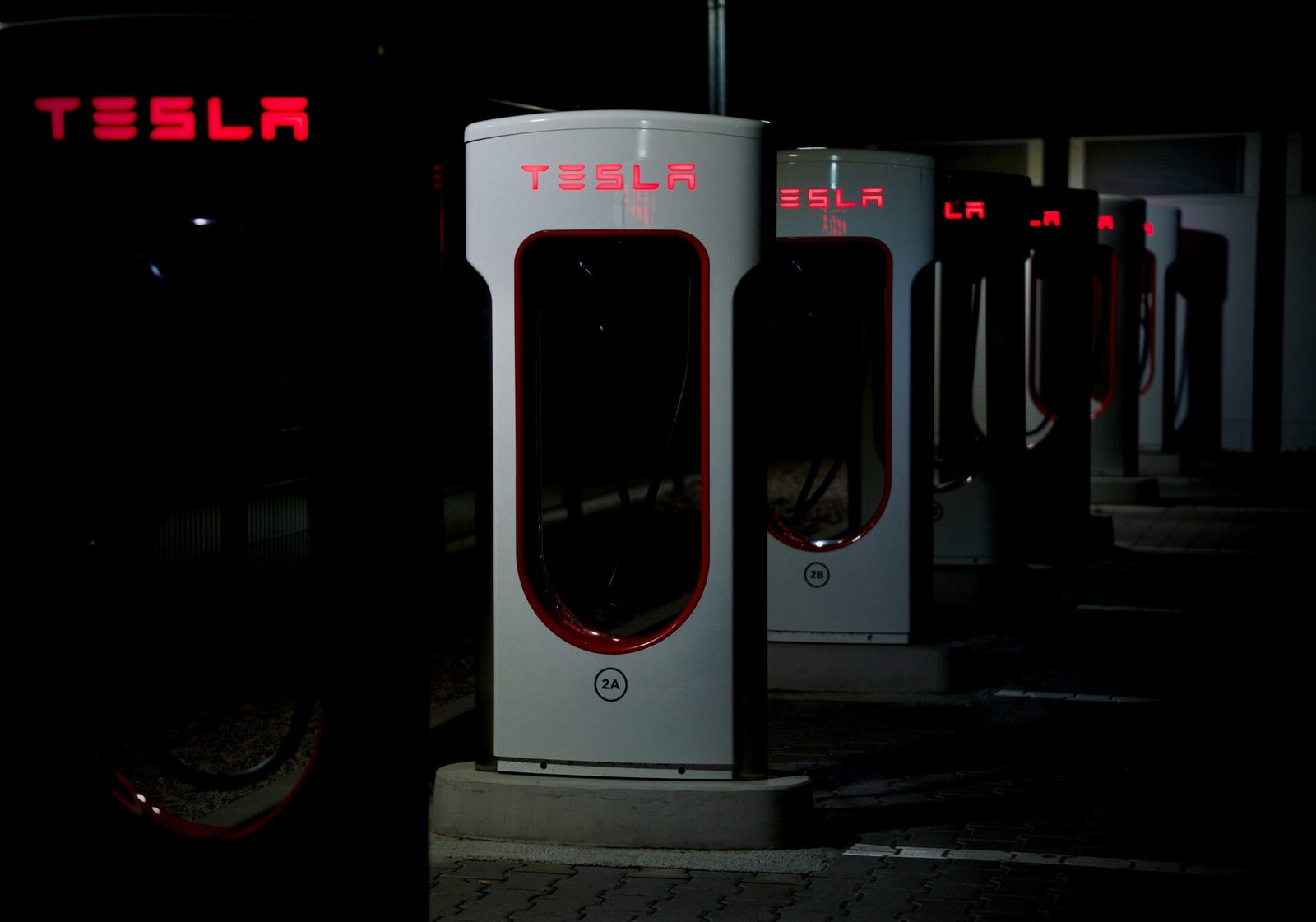
One pivotal aspect of the widespread adoption of electric vehicles is the accessibility of charging stations. As owners of EVs seek to optimize their charging experience, it is essential to have reliable tools to find a charger easily. This accessibility is crucial not only for easing range anxiety among EV drivers but also for facilitating longer trips across varied geographic regions. Efficiently finding a charger allows users to refuel their vehicles without additional stress. Consequently, the demand for innovative solutions such as an EV charger finder has surged, enabling users to locate charging stations conveniently.
Furthermore, electric vehicles play a vital role in reducing greenhouse gas emissions and dependence on fossil fuels. They contribute to cleaner air, decreased noise pollution, and overall environmental preservation. The transition to electric mobility is supported by various governmental policies and incentives, promoting the use of EVs and enhancing infrastructure. As these trends continue to evolve, the importance of a dependable tool to find an EV charger becomes more pronounced. Understanding the landscape of EV technology and its implications is essential for consumers and stakeholders alike, as it sets the stage for innovations in charger accessibility and usability.
The Challenge of Finding EV Chargers
As electric vehicle (EV) adoption continues to grow, many users encounter challenges when they attempt to find an EV charger during their journeys. One significant obstacle is the limited information available regarding charging stations, which can lead to unnecessary stress and downtime. Typically, EV users rely on a variety of apps and platforms that can provide locations, yet the data may frequently be outdated or inaccurate. Consequently, this inadequacy hinders users from making informed decisions about when and where to charge their vehicles.
Another critical issue is the varying availability of charging networks. Different regions may have multiple charging station operators, each with varying levels of coverage and service. An EV driver traveling to less populated or remote areas may find it particularly difficult to locate a reliable charging point. In some cases, a driver may plan a trip only to discover that the expected charging stations are either inoperative or have long queues of other vehicles waiting to use them. This situation emphasizes the importance of having a tool that enables users to find an EV charger more efficiently, tailored to their location and situation.
Additionally, compatibility issues can pose another layer of complexity when searching for chargers. Not all EVs can utilize every charger due to differing connector types and charging speeds, making it necessary for users to verify whether a station is suitable for their vehicle. Anecdotal evidence showcases instances where drivers arrived at a station with the expectation of charging, only to discover it was incompatible with their car, leading to delays and frustration. Such experiences highlight the necessity for an efficient system, like an EV finder, that amalgamates real-time information to help users find a charger that meets their specific needs.
Introducing the EV Charger Finder Tool
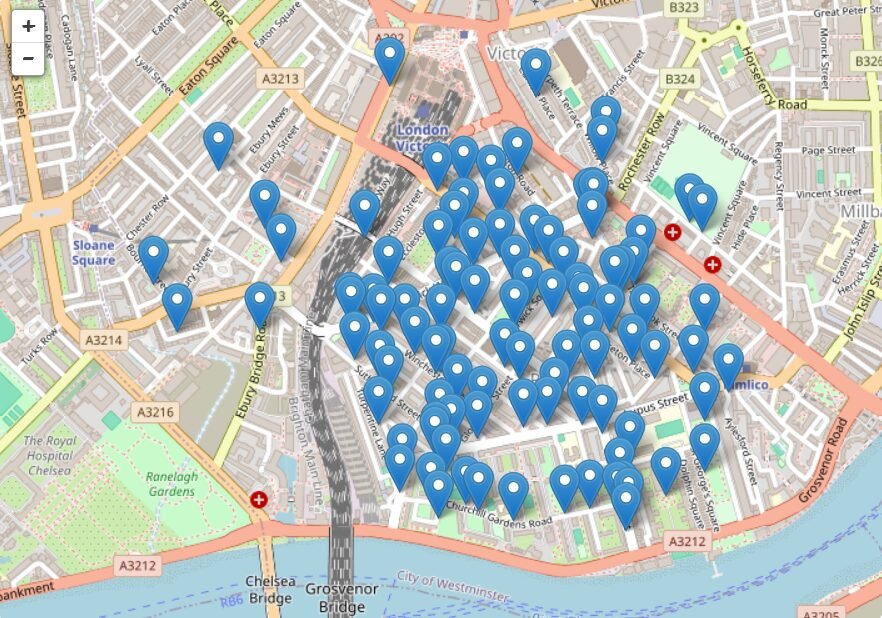
The EV Charger Finder Tool has emerged as a pivotal resource for electric vehicle (EV) owners seeking convenient and reliable charging options. Designed with user needs in mind, this tool simplifies the process to find an EV charger in your vicinity, enhancing the overall charging experience. It utilizes advanced mapping technology to pinpoint charging stations based on real-time data, offering users a comprehensive view of available chargers.
One of the standout features of the EV Charger Finder Tool is its intuitive user interface, which caters to both tech-savvy individuals and those less familiar with digital tools. Users can easily navigate through the system to find a charger quickly, filtering results based on various parameters such as charging speed, connector type, and operating hours. This flexibility ensures that vehicle owners can locate the most suitable options that cater to their specific needs and preferences.
Real-time updates further enhance the functionality of the EV Charger Finder Tool. By leveraging live data feeds from charging networks, the tool provides immediate information on charger availability, status, and any maintenance updates. Such transparency helps users avoid potential wait times at charging stations, making it much easier to plan journeys with confidence.
What sets this tool apart from its competitors is not just its ease of use and adaptability but also its extensive database. It consolidates information from various charging networks, allowing users to view a multitude of options in one central location. This integration not only helps users find a charger conveniently but also inspires confidence in the charging infrastructure supporting their EV ownership.
In conclusion, the EV Charger Finder Tool represents a significant advancement in how EV owners manage their charging needs, combining modern technology with user-centric design to foster an excellent driving experience.
Key Features of the EV Charger Finder Tool
The EV charger finder tool is an essential resource for electric vehicle (EV) owners, providing an array of features designed to enhance the overall user experience. One of the standout characteristics of this tool is its user-friendly navigation. The interface is streamlined and intuitive, making it easy for users to find an EV charger quickly. Regardless of one’s tech-savvy level, anyone can operate the tool with ease, ensuring a smooth experience in locating charging stations.
Another noteworthy feature is the real-time availability of charging stations. By displaying live data on charger status, users can ascertain whether a station is occupied or available, thereby helping them plan their routes more efficiently. This functionality significantly reduces the inconvenience often felt when searching for a charger and directly addresses the common concerns of range anxiety.
Moreover, the tool allows users to conduct a distance radius search to find a charger within a specified area. This feature is particularly advantageous for long-distance travel, as it enables users to identify nearby chargers, ensuring they stay within reach of a charging station. Users can input their desired radius, thus tailoring the search to their specific needs and promoting convenience during their travels.
The tool also categorizes chargers by type, including Level 1, Level 2, and DC fast chargers. This segmentation enables users to choose the appropriate option according to their charging requirements and vehicle compatibility. Finally, user reviews add another layer of reliability to the tool. By accessing feedback from fellow EV owners, users can make more informed decisions about where to charge, increasing the likelihood of a positive experience during their charging stops.
How to Use the EV Charger Finder Tool
Using an EV charger finder tool can significantly streamline your electric vehicle charging experience. To begin, the first step is to download or acquire the tool, which is typically available on both mobile platforms and web browsers. Depending on your preference, you may choose to download the application from the Apple App Store or Google Play Store, or access it directly via its official website.
Once you have successfully installed the application or accessed the web tool, the next step involves creating an account. This process usually requires you to provide an email address and create a password. Some tools may also offer the option to sign in using existing social media accounts, which can save time. Having an account allows you to take full advantage of personalized features, such as saving your favorite charging locations, which can help you find an EV charger more conveniently in the future.
After setting up your account, you can begin utilizing the tool’s various functions. The primary feature is the search functionality, which enables you to find a charger based on your current location or a specific address. By entering relevant data, the tool will present you with a list of nearby charging stations, complete with essential details such as charging speeds, availability, and user reviews.
Additionally, many EV charger finder tools allow users to filter results by charger type, making it easier to locate a compatible charger for your electric vehicle. Once you find a suitable charging station, you can save it as a favorite for quicker access later. Utilizing these features will enhance your experience and ensure that you can efficiently find a charger whenever you need one.
Benefits of Using the EV Charger Finder Tool
Utilizing an EV charger finder tool presents numerous advantages that significantly enhance the electric vehicle (EV) ownership experience. One of the primary benefits is time savings. Electric vehicle owners can quickly locate nearby chargers, thereby reducing the time spent searching for a place to recharge their vehicles. This efficiency allows EV users to focus on their journeys, knowing they can find a charger at a moment’s notice.
Range anxiety—the fear of running out of battery power before reaching a charging station—often haunts EV drivers. However, the implementation of a reliable EV charger finder tool mitigates this concern by providing real-time information about the availability of charging stations. With this resource, users can find an EV charger more confidently, knowing they are equipped with the necessary tools to plan their trips effectively.
Furthermore, the tool enables better trip planning. By integrating maps and user-friendly features, drivers can identify optimal charging points along their routes. This capability facilitates longer road trips, as it allows users to plan their stops in advance, minimizing the interruptions caused by unexpected detours. A satisfied user, John, shares, “Using the EV charger finder transformed my road trips. I can easily find a charger and plan my stops, significantly enhancing my travel experience.”
Moreover, the peace of mind offered by the EV charger finder tool cannot be underestimated. Knowing that a functional and accessible charger is always within reach allows drivers to fully enjoy their journey without the nagging concern of a depleted battery. Personal accounts from various EV users indicate that this tool has not only simplified their charging needs but also restored their confidence on the road. These benefits make an EV charger finder an essential tool for any electric vehicle owner.
Comparing EV Charger Finder Tool with Other Tools
In the rapidly evolving landscape of electric vehicle (EV) charging, utilizing an efficient tool to find an EV charger is paramount for a seamless user experience. The EV charger finder tool stands out against other popular charging apps based on several critical factors including accuracy, ease of use, additional features, and overall user satisfaction.
When examining accuracy, the EV charger finder excels in providing up-to-date information concerning available chargers, ensuring users can easily find a charger that meets their needs. Many other tools, while functional, often rely on user-generated data which can lead to discrepancies in real-time availability. In contrast, the highlighted tool aggregates information from various sources, minimizing the complications of outdated or inaccurate locations. This feature alone significantly enhances the reliability necessary for long-distance travel or during peak usage times.
Ease of use is another area where the EV charger finder tool shows clear advantages. It offers an intuitive interface designed to simplify the process of locating charging stations. This stands in stark contrast to other apps that may present overwhelming options or complex navigation pathways; a streamlined experience is critical for users who need to quickly find an EV charger.
Furthermore, the additional features integrated within this tool offer considerable benefits. The EV charger finder includes filters for charging speed, connector types, and nearby amenities, catering to the diverse needs of EV drivers. While other apps may provide similar functionality, they often lack the depth and customization options that enhance usability.
User satisfaction ratings reflect this superiority, with many reviews praising the efficiency and reliability of the EV charger finder tool. Overall, its powerful combination of accuracy, user-friendly design, and comprehensive features positions it as a leading choice among EV charging solutions, particularly for those looking to optimize their charging journey.
Future of EV Charging Infrastructure
The future of electric vehicle (EV) charging infrastructure is poised for significant advancement as the adoption of electric vehicles continues to grow. Increasing numbers of consumers are recognizing the benefits of EVs, leading to a surge in demand for charging solutions. Consequently, the importance of effectively integrating technology in the charging ecosystem has never been greater. Users looking to find an EV charger will benefit from a more interconnected and robust charging network.
One of the key trends in EV adoption is the commitment from governments around the world to promote sustainable mobility. Many countries have implemented policies that encourage the installation of charging stations and provide incentives for both consumers and manufacturers. The development of dedicated charging infrastructure can effectively support this transition, enabling users to find a charger easily and conveniently. As public and private sectors collaborate to expand the network, EV owners will experience fewer range anxiety issues and greater freedom in using their vehicles.
Technological innovations also play a crucial role in the evolution of EV charging systems. Advanced software solutions and applications have emerged to facilitate user access to charging stations. One such innovation is the EV charger finder, enabling users to effortlessly find an EV charger based on their location, desired charging speed, and availability. Furthermore, innovations like smart charging solutions and vehicle-to-grid technology enhance the efficiency and sustainability of the charging process, making it easier for users to manage their charging needs.
As electric vehicle adoption continues to rise, the development of enhanced charging infrastructure and innovative technologies will help create a user-friendly experience. The future holds promising opportunities for EV owners as they navigate their journeys—thanks to these advancements, finding a charger will become increasingly seamless.
Conclusion and Call to Action
In today’s rapidly evolving electric vehicle landscape, the importance of having a reliable EV charger finder tool cannot be overstated. As more drivers transition to electric vehicles, the necessity for accessible charging infrastructure grows correspondingly. Being able to promptly find an EV charger is crucial for a seamless driving experience, whether for daily commuting or long-distance travel. A competent EV charger finder not only helps locate charging stations but also provides essential details about the type, availability, and compatibility of chargers.
For electric vehicle owners, understanding their charging options is vital. When you need to find a charger, utilizing a dedicated tool can simplify the process, enabling you to focus on enjoying your journey rather than worrying about where your next charge will come from. With an user-friendly interface and up-to-date information, these tools can greatly enhance convenience and efficiency while on the road.
We encourage you to explore our recommended EV charger finder tool today. You can access the tool [here](#) to start optimizing your charging experience. Additionally, consider joining forums and community discussions focused on electric vehicle use. These platforms can provide valuable insights, tips, and support from fellow EV enthusiasts. Engaging with such communities will offer you a wealth of knowledge regarding charging options, maintenance, and the overall benefits of electric mobility.
Take control of your electric vehicle experience and ensure you never find yourself in a precarious charging situation again. Your journey towards a more eco-friendly future begins with the right resources at your fingertips.
Charging your electric vehicle at home is the most convenient and budget-friendly way to keep your battery topped up. We have thoroughly reviewed the UK's leading smart EV home chargers to help you slash overnight electricity bills and charge effortlessly.
Our editorial team independently assesses motoring accessories based on real-world utility in UK driving and parking environments. Evaluation criteria include build quality under damp British weather conditions, ease of fitment across common UK boot sizes (hatchbacks, estates, and SUVs), anti-theft reliability in public car parks, and long-term value for money. We only recommend accessories that meet strict motorist security and convenience standards.
Making the switch to an electric vehicle transforms your driving routine, but relying on the UK’s public charging network can quickly become tedious and expensive. Installing a dedicated 7.4kW EV home charger on your driveway or in your garage is the single best investment an electric car owner can make. Operating at roughly three times the speed of a standard domestic 3-pin plug, a 7.4kW home wallbox safely recharges most modern EV batteries from flat to full overnight in 7 to 10 hours.
Modern UK home chargers must legally comply with the Electric Vehicles (Smart Charge Points) Regulations, meaning they come equipped with intelligent scheduling, randomised delay features, and data connectivity. This smart functionality allows UK drivers to capitalise on cut-price, EV-specific off-peak energy tariffs such as Octopus Intelligent Go or British Gas Electric Driver—often dropping charging costs to under 3p per mile.
Whether you need an untethered socket for architectural neatness, a rugged tethered cable for everyday convenience, or solar integration to run your car purely on domestic sunshine, choosing the right wallbox is critical. Our automotive testing team has put the UK’s top 10 EV home chargers through their paces, evaluating installation practicality, mobile app reliability, smart tariff syncing, and long-term weather durability.
Ohme Home Pro 7.4kW
The Ohme Home Pro is the undisputed champion for UK motorists seeking maximum energy cost savings. What sets the Ohme apart is its peerless API integration with innovative dynamic energy tariffs, notably Octopus Energy’s Agile and Intelligent tariffs. Instead of relying solely on preset timers, the Home Pro communicates directly with your energy provider to automatically charge your EV during the cheapest green slots, even if those slots shift dynamically throughout the night.
Featuring an integrated 5-metre or 8-metre tethered Type 2 cable, it includes a clear, full-colour LCD screen directly on the front panel. This display shows real-time cost, charging speed, and target battery percentages, allowing you to tweak settings without constantly reaching for your smartphone. Installation is simplified for UK electricians thanks to built-in open PEN fault detection, eliminating the need for an unsightly external earth rod. The build quality feels substantial, and the companion app is intuitive, displaying precise pence-per-mile statistics that make monitoring household running costs straightforward and rewarding.
- Unrivalled integration with dynamic UK energy tariffs (especially Octopus Intelligent Go)
- Crisp built-in LCD screen provides immediate cost and charge updates
- Built-in open PEN conductor protection removes the need for an earth rod
- Available with convenient 5m or 8m tethered Type 2 lead options
- Tethered cable only; no untethered universal socket option available
- Relies on an internal 4G SIM card, which requires reasonable mobile signal
| Power Output | 7.4kW (32A single phase) |
|---|---|
| Cable Type | Tethered (5m or 8m Type 2) |
| Connectivity | Built-in 4G SIM (multinetwork) |
| Dimensions | 170mm x 200mm x 100mm |
| Weather Rating | IP55 |
| Earth Protection | Integrated Open PEN Fault Detection |
myenergi Zappi v2.1 7kW
Engineered and manufactured in Lincolnshire, the myenergi Zappi has earned an almost legendary reputation among UK domestic solar panel and micro-wind turbine owners. While it works brilliantly as a standard fast charger, its true genius lies in its green micro-generation capabilities. The Zappi features three distinct charging modes: Fast, Eco, and Eco+. In Eco+ mode, the wallbox continuously measures surplus renewable energy from your domestic solar array; if household generation drops below your set threshold, charging pauses so you never draw expensive power from the National Grid.
The v2.1 model includes integrated WiFi and an Ethernet port alongside built-in PEN protection, which significantly tidies up the physical installation. Available in both black and white finishes, as well as tethered (6.5m cable) or universal untethered variants, the Zappi is remarkably flexible. The casing is bulkier than minimalist rivals, but the front-facing buttons, backlit screen, and bulletproof British engineering make it a benchmark choice for eco-conscious UK households.
- Gold standard for domestic solar PV and home battery storage integration
- Three dedicated charging modes (Fast, Eco, and 100% Green Eco+)
- Designed and manufactured in the UK with outstanding customer support
- No earth rod required thanks to integrated PEN fault detection
- Bulky unit compared to ultra-compact modern alternatives
- Higher upfront purchase cost than budget wallboxes
| Power Output | 7.0kW (32A single phase) |
|---|---|
| Cable Type | Tethered (6.5m) or Untethered universal socket |
| Connectivity | WiFi, Ethernet, and Harvi RF |
| Dimensions | 439mm x 282mm x 122mm |
| Weather Rating | IP65 |
| Earth Protection | Integrated Open PEN Protection |
Wallbox Pulsar Max 7.4kW
The Wallbox Pulsar Max builds upon the immensely popular Pulsar Plus, refining the compact formula for UK driveways. Measuring less than 20cm square and weighing just 1.3kg, it is one of the most discreet tethered EV home chargers on the market. Despite its miniature footprint, it punches well above its weight with robust matte-finish exterior casing and an IK10 impact rating, meaning it easily withstands wayward footballs, gravel spray, and harsh UK winter weather.
The Pulsar Max connects seamlessly through Bluetooth and dual-band WiFi via the myWallbox app. The app allows you to lock the charger remotely to prevent opportunistic power theft, set scheduled charging windows, and monitor cumulative power consumption. With an optional power meter, it also supports Eco-Smart solar charging and dynamic load balancing to safeguard your household main fuse. The halo LED lighting ring on the front provides instant visual status feedback at a glance from your hallway window.
- Extremely small and discreet footprint looks smart on any exterior wall
- Rugged IK10 impact and IP55 weather ratings
- Compatible with voice control via Amazon Alexa and Google Assistant
- Tough, high-grade 5m or 7m tethered cable with ergonomic holster
- Optional solar charging functionality requires buying an extra power meter
- No untethered version available in this model line
| Power Output | 7.4kW (32A single phase) |
|---|---|
| Cable Type | Tethered (5m or 7m Type 2) |
| Connectivity | WiFi and Bluetooth |
| Dimensions | 198mm x 201mm x 99mm |
| Weather Rating | IP55 / IK10 |
| Earth Protection | Integrated Open PEN (no earth rod needed) |
Pod Point Solo 3 7kW
Pod Point is a household name in the UK electric vehicle sector, widely recognised for supplying supermarket destination bays. The Solo 3 brings that dependable commercial DNA straight to your driveway. Designed with a curved, pebble-like aesthetic, it is purpose-built for motorists who desire fuss-free, install-and-forget EV charging without getting bogged down in labyrinthine smart home settings.
The Solo 3 is available in both tethered and untethered variations, giving drivers the choice between ready-to-go convenience and a cleaner architectural facade. The Pod Point smartphone app handles all scheduled off-peak charging with zero fuss and provides clear monthly cost breakdowns by calculating your home electricity rate. The unit includes automatic load management, ensuring that even if your electric shower, induction hob, and tumble dryer are operating simultaneously, the charger dynamically adjusts its pull to prevent blowing your home’s main 60A/80A/100A cutout fuse.
- Incredibly reliable hardware with hassle-free, set-and-forget operation
- Available in both tethered and clean untethered socket configurations
- Built-in automatic load balancing prevents household circuit overloads
- Over-the-air software updates maintain compliance with UK regulations
- Smartphone app lacks advanced solar diverting options
- Larger circular profile than sleeker rivals
| Power Output | 7.0kW (30A/32A single phase) |
|---|---|
| Cable Type | Universal Socket or Tethered (4.8m / 7.5m) |
| Connectivity | WiFi |
| Dimensions | 330mm x 290mm x 112mm |
| Weather Rating | IP54 |
| Earth Protection | Integrated Open PEN Fault Detection |
Hypervolt Home 3 Pro 7.4kW
The Hypervolt Home 3 Pro is an absolute powerhouse of modern British technology. It immediately grabs attention with its customisable, dynamic LED lighting system that animates across the faceplate to indicate charging states, vehicle connection, and energy flow. Beyond the head-turning aesthetics, the internal architecture is top-tier: it boasts integrated Wi-Fi, Ethernet, and ultra-fast automated Bluetooth pairing that bypasses frustrating setup headaches.
Hypervolt stands out with its standard-inclusion solar-matching hardware, meaning you do not need to buy costly extra add-ons to utilise your domestic PV panels. The companion mobile app is among the slickest we tested, offering real-time cost tracking, integration with smart tariffs like Octopus, and automatic scheduled software upgrades over the air. The heavy-duty 5m, 7.5m, or 10m tethered lead is built to endure frosty winters without stiffening, and the unit comes in Space Grey, Ultra White, and Ultra Black to match modern house masonry.
- Integrated solar charging capability out of the box with zero extra modules
- Interactive LED light ring provides clear visual status updates
- Triple connectivity options: Dual-band WiFi, Ethernet, and Bluetooth
- Superb app design with precise scheduling and dynamic tariff tracking
- Tethered only; no universal socket model available
- Eye-catching LED light display might be too bright for some street-facing homes (though dimmable)
| Power Output | 7.4kW (32A single phase) |
|---|---|
| Cable Type | Tethered (5m, 7.5m, or 10m Type 2) |
| Connectivity | WiFi, Ethernet, and Bluetooth |
| Dimensions | 328mm x 243mm x 101mm |
| Weather Rating | IP66 / IK10 |
| Earth Protection | Integrated Open PEN Detection |
Easee One 7.4kW
Hailing from Scandinavia and tailored precisely to UK domestic electrical standards, the Easee One is an architectural marvel. Weighing just 1.5kg and roughly the size of a paperback novel, it is designed for homeowners who refuse to clutter their property exterior with thick, dangling cables. The Easee One utilizes an untethered universal Type 2 socket, which can be locked permanently via the app if you decide to keep your charging lead connected as a pseudo-tethered setup.
Security is a major highlight: the unit includes a built-in RFID reader, allowing you to swipe a key fob to initiate charging—an invaluable feature if your wallbox is mounted in an open driveway or communal parking area. Connectivity is second to none, featuring a permanent lifetime 4G e-SIM alongside 2.4GHz WiFi, guaranteeing connection even if your home broadband struggles to reach the garden wall. Integrated PEN fault technology ensures compliant, safe UK installation without invasive earth ground spikes.
- Exceptionally small, discrete, and beautifully styled Scandinavian design
- Integrated RFID card reader prevents unauthorised neighbour or visitor charging
- Complimentary lifetime 4G cellular connection built-in
- Universal socket allows permanent cable locking via software
- Supplied untethered; requires you to provide or buy your own Type 2 cable
- Solar diversion requires third-party ecosystem controllers
| Power Output | 7.4kW (32A single phase) |
|---|---|
| Cable Type | Untethered Universal Type 2 Socket |
| Connectivity | Built-in 4G e-SIM and WiFi |
| Dimensions | 256mm x 193mm x 106mm |
| Weather Rating | IP54 |
| Earth Protection | Integrated Open PEN Protection |
Indra Smart LUX 7.4kW
Designed and built in Malvern, Worcestershire, the Indra Smart LUX is widely considered one of the most mechanically slender EV wallboxes available in the UK, projecting just 90mm from the wall. This slimline profile makes it an exceptional choice for narrow Victorian terraces, tight car ports, or passages where a protruding charger might scrape against passing luggage or car wing mirrors.
The front face is framed by a distinctive vertical LED light bar that communicates charger status, and the unit comes standard with an integrated 6m or 10m tethered cable. Indra’s software prowess shines through in its smart tariff management. It integrates seamlessly with popular EV tariffs such as OVO Charge Anytime and Octopus, ensuring you capitalise on the lowest pence-per-kilowatt-hour windows. Built-in solar charging functionality comes standard, and the hardwired Ethernet and 4G options make it practically immune to home WiFi dropouts.
- Incredibly slim 90mm depth prevents scrapes in narrow driveways
- Native compatibility with OVO Charge Anytime and dynamic UK tariffs
- Includes solar diversion capabilities as standard
- Extremely durable British engineering with 5-year warranty options
- App interface is more utilitarian than competitors like Hypervolt
- Premium price point
| Power Output | 7.4kW (32A single phase) |
|---|---|
| Cable Type | Tethered (6m or 10m Type 2) |
| Connectivity | WiFi, 4G, and Ethernet |
| Dimensions | 304mm x 201mm x 90mm |
| Weather Rating | IP67 |
| Earth Protection | Integrated Open PEN Protection |
Autel MaxiCharger AC Wallbox 7.4kW
Autel has made massive inroads into the UK automotive tooling and diagnostics market, and their MaxiCharger AC Wallbox represents outstanding value. Priced competitively, this unit delivers the build quality and software polish usually associated with chargers costing hundreds more. It features an IP65 ingress protection rating—substantially higher than many entry-level chargers—making it virtually impervious to torrential British downpours and garden jet-washing.
The MaxiCharger can be operated via the Autel Charge app, an RFID swipe card, or standard plug-and-play. Autel’s smart software incorporates dynamic load shedding, allowing it to modulate current when household appliances ramp up. It also supports remote firmware updates and comprehensive scheduled charging to sync with overnight off-peak energy rates. Available with a sturdy 5m tethered lead, it feels thoroughly rugged, commercial-grade, and built to last a lifetime.
- Superb price-to-performance ratio in the mid-range tier
- Outstanding IP65 weather rating and robust casing
- Triple authentication options: App, RFID card, and Auto-Start
- Comprehensive diagnostic capabilities via the companion app
- Bulkier aesthetic compared to minimalist Scandinavian rivals
- Dynamic solar diversion requires additional current transformers (CT clamps)
| Power Output | 7.4kW (32A single phase) |
|---|---|
| Cable Type | Tethered (5m Type 2) |
| Connectivity | WiFi, Bluetooth, Ethernet, and 4G (optional) |
| Dimensions | 336mm x 187mm x 85mm |
| Weather Rating | IP65 |
| Earth Protection | Built-in PME/Open PEN Protection |
Simpson & Partners Home 7 Plus
If you live in a heritage home, a converted barn, or simply detest the look of mass-produced plastic electrical boxes on your front elevation, the Simpson & Partners Home 7 Plus is the luxury solution. Hand-assembled in the Cotswolds, this boutique charger offers bespoke anodised aluminium covers, complemented by solid sustainable oak or walnut front lids. It resembles high-end architectural lighting rather than an electric vehicle charger.
Beneath the gorgeous artisanal exterior lies serious smart charging hardware. The Home 7 Plus connects to your home network via dual-band WiFi or Ethernet, enabling scheduled charging, solar diversion (when paired with their wireless energy monitor), and full compliance with UK Smart Charge Regulations. The unit is available in both tethered (with an integrated cable dock) and untethered forms. While it sits firmly in the luxury price bracket, the craftsmanship and tactile quality are unmatched in the UK market.
- Unrivalled artisanal craftsmanship with real timber and anodised aluminium finishes
- Designed and hand-built in the Cotswolds, UK
- Comprehensive smart scheduling and solar charging capabilities
- Choice of bespoke colour palettes to blend with any exterior brickwork
- High-end luxury pricing
- Untethered socket cover flap requires care when opening with cold, wet hands
| Power Output | 7.4kW (32A single phase) |
|---|---|
| Cable Type | Tethered (6.8m) or Untethered socket |
| Connectivity | WiFi and Ethernet |
| Dimensions | 286mm x 196mm x 111mm |
| Weather Rating | IP54 |
| Earth Protection | Integrated Open PEN Fault Detection |
Sync EV Wall Charger 2 7.4kW
Now part of the British Luceco electrical group, Sync EV has mastered the art of the ultra-compact, budget-friendly home charger. The Sync EV Wall Charger 2 is minuscule, barely larger than an oversized external double socket, yet it delivers the full 7.4kW single-phase charging rate required to power modern electric vehicles at pace.
Supplied predominantly as an untethered unit (a tethered version is also produced), it is beloved by UK electrical installers because the terminal block and cable entry zones are exceptionally well laid out, reducing professional fitting time and labour costs. It incorporates integrated 6mA DC leakage and open PEN protection, negating the cost of extra consumer unit parts or garden ground spikes. The Luceco EV smartphone app allows you to schedule off-peak charging sessions effortlessly, lock the socket against theft, and monitor session energy metrics with minimal fuss.
- One of the smallest and most unobtrusive untethered chargers on the market
- Budget-friendly price point with fast, simplified installation
- Integrated PEN protection and 6mA DC fault detection
- Full RGB status halo around the socket for rapid diagnostic feedback
- Smartphone app is fairly basic compared to Hypervolt or Ohme
- Plastics feel slightly lighter and more utilitarian
| Power Output | 7.4kW (32A single phase) |
|---|---|
| Cable Type | Untethered Type 2 Socket (Tethered available) |
| Connectivity | WiFi and Bluetooth |
| Dimensions | 187mm x 122mm x 90mm |
| Weather Rating | IP54 |
| Earth Protection | Integrated Open PEN Protection |
Comprehensive UK Buyer’s Guide
Tethered vs Untethered: Which Setup Suits Your Driveway?
One of the first decisions you must make is whether to purchase a tethered or untethered EV home charger. A tethered charger features a permanently attached Type 2 cable (typically between 5 and 10 metres in length). This provides maximum daily convenience: you simply pull up, uncoil the cable from its holster, and plug it straight into your car’s charging port—no fumbling inside a wet car boot for a loose lead on a dark, rainy evening. However, the tethered cable remains visible on your wall at all times, which some homeowners consider untidy. Conversely, an untethered (universal socket) charger has no fixed lead; instead, it provides a flush Type 2 socket. You plug one end of your own cable into the wall and the other into your car. Untethered units offer a far neater, minimalist appearance on brickwork and guarantee universal compatibility if vehicle standards ever evolve. Many modern untethered units also feature an app setting that electronically locks your cable into the unit, effectively converting it into a tethered unit whenever you desire.
Navigating UK Smart Tariffs and Dynamic Energy Off-Peak Rates
The true financial benefit of home EV charging is unlocked when pairing your wallbox with an EV-specific energy tariff. Standard domestic electricity rates hover around 24p to 28p per kWh under the UK Energy Price Cap. However, dedicated dual-fuel or electricity tariffs—such as Octopus Intelligent Go, Octopus Go, British Gas Electric Driver, or E.ON Next Drive—offer dedicated off-peak overnight windows where the rate plummets to between 6.9p and 9p per kWh (and occasionally lower). Over a standard 60kWh battery recharge, this difference saves you between £10 and £13 per top-up. Chargers like the Ohme Home Pro and Indra Smart LUX feature deep API integration with energy suppliers: rather than merely relying on a mechanical timer, they talk directly to your energy account to identify the greenest and cheapest half-hour periods, automatically charging your car at the lowest possible running cost.
Solar PV and Battery Storage Matching
If your home features solar photovoltaic (PV) panels or a domestic battery storage system, choosing a solar-compatible charger like the myenergi Zappi or Hypervolt Home 3 Pro is a game-changer. These smart wallboxes use external Current Transformer (CT) clamps clipped onto your household incoming supply cables to monitor generation in real time. When household solar output exceeds your base electrical demand, the charger automatically diverts the excess electricity into your car’s battery rather than exporting it back to the National Grid for modest export payments. Driving your electric vehicle purely on free, self-generated domestic sunshine represents the pinnacle of sustainable, zero-cost motoring.
Understanding UK Electrical Installation and PEN Protection
By UK law (BS 7671 IET Wiring Regulations), EV home chargers must be installed by a qualified, Part P registered electrician. A 7.4kW charger draws a continuous 32 amps of current, which represents a substantial electrical load. Your installer will check your domestic main cutout fuse (commonly 60A, 80A, or 100A) and must notify your local District Network Operator (DNO) via an ‘EV Notification’ process. Crucially, look for a charger with built-in Open PEN Fault Protection. On UK electrical networks using PME (Protective Multiple Earthing), a broken neutral wire can theoretically cause the car’s metal chassis to carry hazardous voltage. Traditional chargers required driving a copper earth rod into your lawn or flowerbed to mitigate this. Modern smart wallboxes with internal electronic PEN fault detection disconnect the live, neutral, and earth lines automatically if an anomaly occurs, completely eliminating the cost, mess, and hassle of installing an external earth spike.
Frequently Asked Questions
Q: How much does it cost to install an EV home charger in the UK?
Professional installation in the UK typically costs between £350 and £600 for a straightforward, standard installation. This includes running up to 10-15 metres of armoured cable from your domestic consumer unit to the wallbox, fitting appropriate circuit breakers, and submitting the mandatory DNO paperwork. Complex installations requiring ground trenching, driveway lifting, or consumer unit upgrades can increase labour and materials costs further.
Q: Can I install a 22kW three-phase EV charger at home?
The vast majority of residential homes in the UK are connected to a single-phase electricity supply, which limits domestic charging to a maximum rate of 7.4kW (32 amps). A 22kW fast charger requires a commercial-grade three-phase electricity supply. While you can pay your local District Network Operator (DNO) to upgrade your home to three-phase power, this often costs several thousand pounds and is unnecessary for overnight home charging routines.
Q: Why shouldn't I just use a standard 3-pin domestic plug?
While charging with a standard domestic 13A plug (often called a ‘granny charger’ or Mode 2 lead) is useful in emergencies, it is not recommended for regular daily use. Standard 3-pin sockets supply only 2.3kW, taking upwards of 24 to 30 hours to charge a modern EV battery. Furthermore, pulling continuous high current through domestic sockets for extended periods can cause thermal stress, overheating, and potential fire hazards. A dedicated 7.4kW wallbox is three times faster, far safer, and specifically designed for prolonged, high-load operation.
Q: Are EV home chargers completely weatherproof in British rain?
Yes. All reputable EV home chargers sold in the UK are engineered to rigorous ingress protection standards, typically IP54, IP55, or IP65. This ensures the unit is totally sealed against rain, sleet, snow, and low-pressure water spray from garden hoses. Type 2 vehicle connector plugs also feature integrated drainage channels and rubber water seals, meaning you can safely plug in and charge your car in torrential British weather without shock risk.
Q: Are there still UK government grants available for home EV chargers?
The original OZEV Electric Vehicle Homecharge Scheme (EVHS) for homeowners of single-family detached/semi-detached houses ended in April 2022. However, the EV Chargepoint Grant remains available for EV owners who live in flats (whether owned or rented) or rental properties, providing up to £350 (or 75%) towards the cost of purchasing and installing an authorised smart chargepoint.
Final Verdict: Which Should You Choose?
Upgrading to a dedicated smart EV home charger is the most liberating and cost-effective decision you can make as an electric car owner in the UK. For the vast majority of motorists, the **Ohme Home Pro** takes our top spot thanks to its unrivalled dynamic energy tariff tracking (especially with Octopus Energy), intuitive screen, and integrated PEN protection that keeps installation clean and affordable. If you generate your own solar energy, the British-built **myenergi Zappi v2.1** remains the definitive industry benchmark for solar diversion, while the sleek **Wallbox Pulsar Max** and minimalist **Easee One** provide unbeatable compact styling and architectural elegance. Whichever model you choose, pairing a 7.4kW smart wallbox with an off-peak overnight tariff will ensure your car is charged safely, reliably, and for mere pennies per mile.
Affiliate Disclosure: Parking Management Network UK is a participant in the Amazon Services LLC Associates Program. As an Amazon Associate, we earn from qualifying purchases at no extra cost to you. Product prices, ratings, and availability are subject to change on Amazon.co.uk.
Check out more articles

What are the Benefits of Regenerative Braking in Electric Vehicles?

Why Do You Need a Rearview Mirror Dash Cam?

Can My Car Pay Automatically for Parking? Exploring the Future of Autonomous Payment Systems

Why Do You Need a Car GPS Tracker?

Can Electric Cars Be Driven Through Floods or Water Safely?