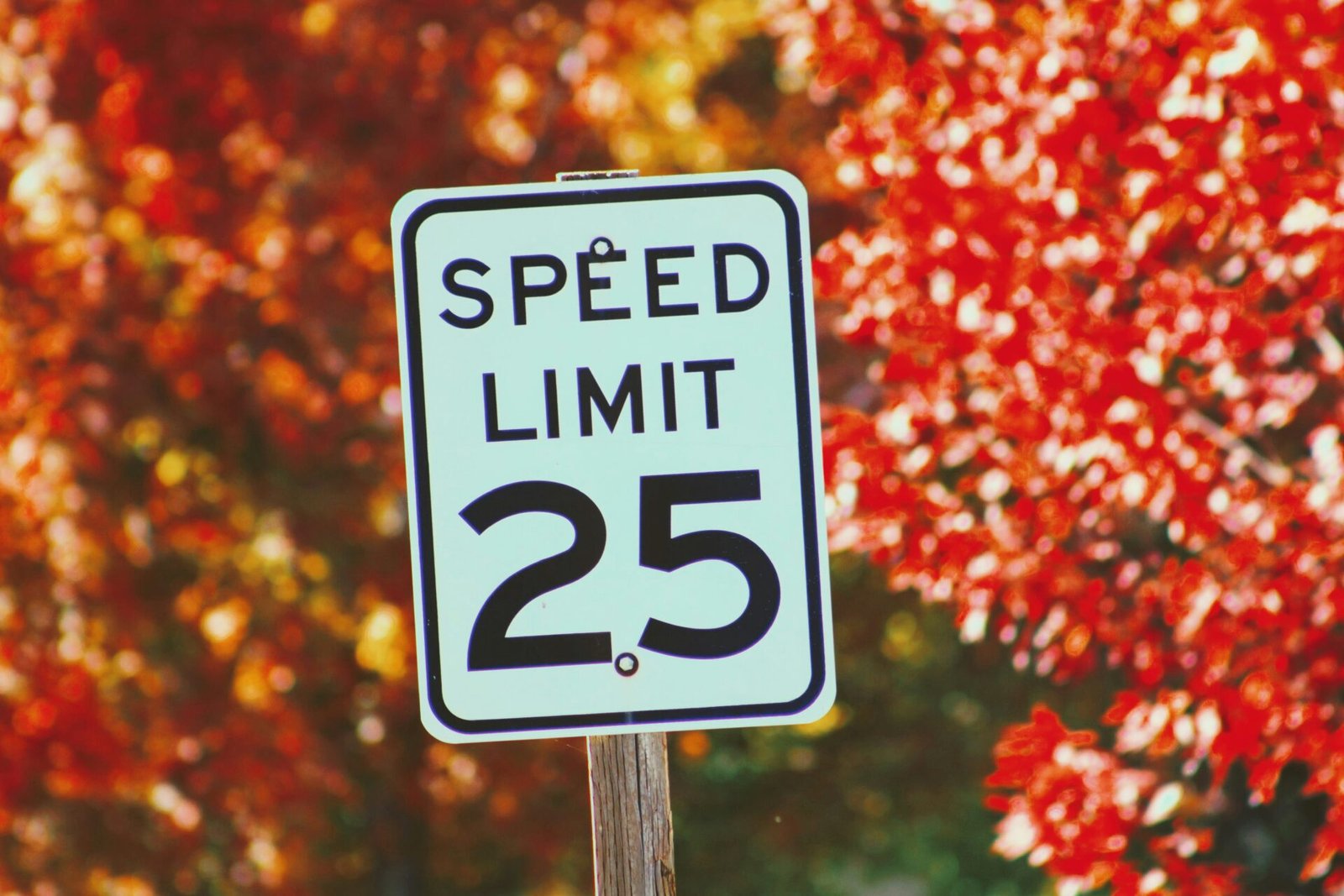
Introduction to the 20mph Speed Limit
In 2025, Scotland will implement a nationwide 20mph speed limit aimed at enhancing safety in urban areas. This significant policy change comes as a response to rising concerns regarding road safety for both pedestrians and cyclists in cities across Scotland. By lowering the speed limit to 20mph, the government aims to create a safer environment that encourages walking and cycling, thereby contributing to healthier lifestyles and reducing traffic-related accidents.
The initiative mirrors similar efforts seen in other regions, such as Wales, where a 20mph speed limit has already shown positive impacts on reducing vehicular speeds and improving safety conditions in urban settings. This collective approach among various regions reflects a growing recognition of the importance of safe transportation systems, particularly within densely populated areas. Scotland’s adoption of a uniform speed limit can also simplify road rules, making it easier for drivers to understand and comply with traffic regulations.
Research indicates that lower speeds significantly reduce the severity of accidents, leading to improved road safety for all users. The new 20mph limit is expected to contribute to a 40% reduction in collisions, which would not only protect vulnerable road users but also reduce the overall pressure on healthcare services linked to traffic incidents. Moreover, by promoting a culture of safer driving, it is anticipated that this policy will lead to more community-friendly neighborhoods, fostering social interactions amongst residents.
This transformative measure aligns with broader environmental objectives, supporting the transition to sustainable urban mobility. By lowering speed limits, Scotland is taking a crucial step to foster a more integrated approach for transportation that prioritizes both safety and environmental considerations. The forthcoming introduction of this nationwide 20mph speed limit marks a progressive advancement in addressing the challenges faced by urban road systems in Scotland.
Comparison with Wales: Leading the Way
Wales has been at the forefront of implementing lower speed limits, particularly through its adaptation of a nationwide 20mph speed limit in urban areas. This significant regulatory shift began in September 2023, positioning Wales as a model for other regions, including Scotland, as they look to enhance road safety. By examining the outcomes of this initiative in Wales, Scotland can gain valuable insights as it embarks on a similar path.
The approach in Wales has demonstrated impressive results in improving road safety. Following the introduction of the 20mph speed limit, data from the first few months indicated a notable reduction in the number of road traffic injuries, especially among vulnerable road users such as pedestrians and cyclists. For instance, reports suggest a decrease of over 20% in road casualties since the speed limit was enacted. This improvement highlights the potential benefits that Scotland can anticipate as it facilitates its own nationwide initiative.
Public acceptance plays a crucial role in the success of any new legislation, and the response in Wales has been overwhelmingly positive. Surveys conducted post-implementation reveal that a significant majority of residents support the 20mph speed limit, appreciating the increased feeling of safety in their communities. Moreover, the change has been accompanied by initiatives to educate the public on responsible driving behavior and the importance of adhering to reduced speed limits.
Beyond safety statistics, the sense of community well-being has been greatly enhanced. With lower speeds promoting a more pedestrian-friendly environment, local businesses and communal spaces have begun to thrive anew. As Scotland prepares to adopt a nationwide 20mph speed limit, it will be imperative to monitor trends in Wales, evaluating their impact not only on road safety but also on public satisfaction and urban vitality.
Understanding the Changes: What Will Be Different?
The implementation of Scotland’s nationwide 20mph speed limit marks a significant shift in traffic regulation aimed at enhancing safety in urban environments. Under the new guidelines, the majority of roads within city and town centers will transition to this reduced speed limit. This encompasses not only residential streets but also main thoroughfares that serve as vital links throughout urban areas. The rationale behind this change is multifaceted, primarily focused on minimizing accidents and improving the overall safety of all road users, including pedestrians, cyclists, and motorists.
Specifically, residential districts will predominantly benefit from this reduced limit, allowing families to navigate their neighborhoods with a greater sense of security. Local authorities are tasked with evaluating each road’s context in coordination with community input to ensure that the 20mph limit is effective and appropriate. In tandem with this initiative, public awareness campaigns will be launched to educate both drivers and residents about the changes and their intended benefits.
However, it is important to note that not all roads will adhere to this new speed restriction. Certain arterial routes, which serve as major transport corridors, may retain a higher speed limit to facilitate efficient movement of vehicles. Furthermore, exceptions will be made for specific zones such as major bus routes or emergency service pathways, where maintaining a faster speed is essential for operational effectiveness. By clearly defining the roads subject to the new 20mph limit and those that will maintain higher limits, Scotland aims to balance the needs of various users while fostering a safer environment. The decision to implement a nationwide 20mph speed limit reflects a commitment to progressive road safety measures in urban areas throughout Scotland.
Impact on Major Cities: Edinburgh and Glasgow Experiences
Scotland’s nationwide 20mph speed limit has significantly influenced urban environments, particularly in major cities such as Edinburgh and Glasgow. These cities have taken proactive measures to implement 20mph zones, aiming to enhance road safety and improve the quality of life for their residents. Case studies from both cities provide a clearer perspective on the effectiveness of this initiative.
In Edinburgh, the introduction of 20mph speed limits across the city was met with both enthusiasm and skepticism. Initial feedback from local residents highlighted concerns about the enforcement of the speed limit and potential increases in journey times. However, a subsequent evaluation revealed positive outcomes. A survey conducted six months after implementation indicated that 77% of respondents felt safer on the roads, particularly in residential areas. Furthermore, data indicated a 25% reduction in the number of accidents, particularly involving pedestrians and cyclists, demonstrating the tangible safety improvements facilitated by the 20mph zones.
Glasgow, following Edinburgh’s lead, also adopted the 20mph initiative in many of its urban areas. The Glasgow City Council reported a marked decrease in vehicle speeds, with average speeds dropping by 2.5 mph since the introduction of the limit. Notably, local residents expressed a newfound sense of security, especially in neighborhoods with high foot traffic. Traffic calming measures, such as speed bumps and chicanes, accompanied the speed limit changes, further contributing to the improvement of road conditions. This multi-faceted approach has sparked a dialogue around urban planning, focusing on pedestrian rights and sustainable transportation options.
Together, the experiences of Edinburgh and Glasgow illustrate the efficacy of Scotland’s nationwide 20mph speed limit, revealing a significant enhancement in urban safety and a more pedestrian-friendly environment in these bustling cities.
The Benefits of Lower Speeds: Road Safety and Beyond
The implementation of Scotland’s nationwide 20mph speed limit is poised to bring significant advantages, particularly in urban areas. A primary benefit of reduced speed limits is enhanced road safety. Statistics consistently demonstrate that lower speeds result in fewer accidents and less severe injuries when collisions do occur. Vulnerable road users, including pedestrians and cyclists, stand to gain the most from these changes. At slower speeds, drivers have more time to react to potential hazards, making it easier to avoid incidents involving individuals who may be crossing streets or navigating bike lanes.
Furthermore, lower speed limits may encourage more people to utilize active transportation methods, such as walking or biking. When roads are perceived as safer due to the Scotland’s nationwide 20mph speed limit, the likelihood of individuals opting for these alternatives increases. This shift can lead to healthier lifestyles while also contributing to reduced vehicular traffic. Consequently, the lower speeds may facilitate a friendlier urban environment, promoting community interaction and enhancing overall quality of life.
Potential Challenges and Opposition
As Scotland’s nationwide 20mph speed limit is implemented across urban areas, it is essential to consider the potential challenges and opposition that may arise. A key concern among some drivers and interest groups revolves around the impact on traffic flow and journey times. Critics argue that reducing the speed limit from higher thresholds could lead to increased congestion, as vehicles may take longer to reach their destinations. This is particularly relevant in urban settings, where road networks are often busy, and even modestly extended travel times can be viewed as a significant inconvenience.
Furthermore, there is apprehension regarding how the new speed limit will be enforced. Drivers may be concerned about harsher penalties for exceeding the 20mph limit, potentially leading to a culture of increased anxiety and frustration. The transition to a lower speed limit represents a profound behavioral change, one that not all drivers are accustomed to. Some drivers may inadvertently violate the new regulations, raising questions about whether sufficient public education and awareness campaigns can adequately mitigate these concerns.
Moreover, various interest groups, including those representing transportation and logistics, may express opposition due to the perceived drawbacks on economic activities. Businesses reliant on swift deliveries might lobby against the implementation of Scotland’s nationwide 20mph speed limit, fearing that their operational efficiency could be compromised. These groups may advocate for a differentiated approach, proposing that certain routes, particularly those frequently travelled by commercial vehicles, maintain a higher speed limit for practical reasons.
Ultimately, while the intention of lowering urban speed limits is to enhance safety and reduce accidents, the challenges and opposition from various stakeholders must be thoughtfully addressed to ensure the policy’s successful implementation and acceptance.
Community Perspectives: Residents’ Views
The introduction of Scotland’s nationwide 20mph speed limit has sparked diverse opinions among community members. Many residents welcome the change, citing improved safety for pedestrians, cyclists, and families as primary benefits. For instance, a local parent from Edinburgh expressed, “With children playing in the streets and cycling to school, reducing the speed limit to 20mph feels like a necessary step to protect our community.” Such sentiments are echoed in several surveys indicating that a significant proportion of respondents believe that the new speed limit will lead to fewer accidents and, ultimately, save lives.
Conversely, there exists a segment of the population that voices concerns regarding the implementation of the 20mph limit across urban areas in Scotland. Critics argue that the speed restriction may lead to increased congestion, longer travel times, and frustration among commuters. A business owner in Glasgow remarked, “While I understand the intent behind the initiative, the reality is that our delivery schedules are already tight. Slowing down all traffic could disrupt our operations significantly.” This opposition reflects a broader sentiment that balancing community safety with efficient transportation is a complex challenge.
Looking Ahead: Future of Urban Traffic Regulations
The introduction of Scotland’s nationwide 20mph speed limit marks a significant shift in urban traffic regulations, harboring important implications for urban planning and the overall transportation framework. By prioritizing safer streets, Scotland embraces a proactive approach to enhance the quality of life in cities and towns. This policy offers vital insights into how urban environments can evolve while maintaining harmony between road safety, environmental sustainability, and community well-being.
As other regions contemplate adopting similar measures, trends in transportation policy are likely to emerge. Notably, urban areas may begin to favor policies that promote lower speed limits and prioritize pedestrian and cyclist safety. This shift could foster a cultural transformation, encouraging more sustainable modes of transportation such as walking, cycling, and public transport. With an emphasis on reducing vehicular traffic, local governments may find inspiration in Scotland’s strategy to effectively integrate green spaces into urban design, further contributing to community health and the environment.
Moreover, as cities worldwide grapple with congestion and pollution, implementing comparable traffic regulations could become commonplace. The push for lower speed limits aligns with the growing awareness of the health impacts of air pollution and the increasing demand for cleaner transportation options. Given these trends, urban planners in various regions might experiment with traffic-calming measures such as expanded car-free zones, enhanced bike lanes, and improved public transport facilities.
In conclusion, Scotland’s nationwide 20mph speed limit serves not only as a local initiative but also as a potential catalyst for broadening the dialogue surrounding urban traffic regulations. By leading by example, Scotland may inspire other regions to adopt similar policies, thereby fostering a global movement toward safer, more sustainable urban environments.
Conclusion: A Step Towards Safer Streets
The implementation of Scotland’s nationwide 20mph speed limit represents a significant and thoughtful shift in urban traffic management. This initiative prioritizes the safety and well-being of pedestrians, cyclists, and residents over mere vehicular convenience. By reducing speed limits in urban areas, the initiative aims to create environments that are more conducive to walking and cycling, thus encouraging healthier, more sustainable modes of transport within communities.
This approach addresses the pressing concerns of road safety, particularly in areas frequented by vulnerable road users such as children and the elderly. Evidence supports that lower speed limits correlate with a reduction in both the frequency and severity of traffic accidents. Consequently, the adoption of a 20mph limit aligns with broader public health goals and the mitigation of traffic-related injuries and fatalities.
Furthermore, the support for this initiative emphasizes community welfare. As residents acknowledge the advantages of lower speeds, they may experience increased engagement in their neighborhoods, leading to improved social interactions. The focus on safety also resonates with local authorities, who are tasked with creating livable cities. By endorsing Scotland’s nationwide 20mph speed limit, we take a collective step towards fostering a culture of care and responsibility on our roads.
In conclusion, the transition to a nationwide 20mph speed limit in Scotland should be viewed as an invaluable opportunity to create safer, more vibrant urban environments. As we embrace this change, it is important for all stakeholders—citizens, policymakers, and law enforcement—to collaborate in ensuring that the goals of safety and community welfare remain at the forefront of our transportation policies. It is a progressive move that not only enhances road safety but also reimagines the relationship between people and their urban settings.
Transform your daily commute and long motorway journeys with our rigorously tested selection of the UK's finest car accessories. From life-saving emergency kit to smart storage and keyless theft prevention, these essential upgrades deliver outstanding reliability on British roads.
Our editorial team independently assesses motoring accessories based on real-world utility in UK driving and parking environments. Evaluation criteria include build quality under damp British weather conditions, ease of fitment across common UK boot sizes (hatchbacks, estates, and SUVs), anti-theft reliability in public car parks, and long-term value for money. We only recommend accessories that meet strict motorist security and convenience standards.
Whether you are tackling stop-start commuter traffic on the M25, embarking on a rainy Highland road trip, or navigating tight council car parks, having the right gear inside your vehicle makes all the difference. Modern cars may roll off the factory floor packed with standard tech, but sensible aftermarket car accessories elevate your comfort, safeguard your no-claims bonus, and keep your vehicle road-legal and clutter-free.
At Parking Management Network UK, our automotive testing team has spent hundreds of hours evaluating everything from ultra-reliable jump starters and insurance-approved security locks to rapid digital tyre inflators. We know British motoring presents unique challenges—from freezing winter mornings that kill 12V batteries to surging relay-theft rates targeting keyless entry vehicles. This definitive 2025 guide highlights the top 10 car accessories every UK motorist should genuinely consider keeping in their cabin or boot.
Nextbase 622GW 4K Dash Cam
The Nextbase 622GW remains the gold standard of dash cams for British motorists, capturing pin-sharp 4K footage at 30fps. In the event of an insurance dispute or a car park scrape, its built-in digital image stabilisation and Polarising Filter work wonders at cutting windscreen glare in low UK winter sun. Furthermore, what3words integration and Emergency SOS can transmit your precise 3-metre location directly to UK emergency services if you are incapacitated.
- Incredible 4K recording quality with polarising lens to cut reflections
- what3words integration pinpointing emergency location offline
- Super-slow-motion 1080p at 120fps captures registration plates effortlessly
- Extreme weather mode enhances clarity through heavy British mist and rain
- Premium price point compared to entry-level alternatives
- Large file sizes require high-speed U3 micro-SD card (sold separately)
| Resolution | 4K @ 30fps / 1440p @ 60fps |
|---|---|
| Screen | 3-inch HD IPS Touchscreen |
| Connectivity | Wi-Fi, Bluetooth 5.0, GPS |
| Field of View | 140 degrees |
NOCO Boost Plus GB40 1000A Jump Starter
Flat batteries account for a massive percentage of roadside breakdowns attended by the AA and RAC every winter. The NOCO Boost Plus GB40 packs 1,000 peak amps into a compact, robust handheld chassis capable of jumping petrol engines up to 6.0 litres and diesels up to 3.0 litres. Its patented spark-proof technology and reverse-polarity protection ensure you never damage your car’s sensitive electronic control units, even if you accidentally hook the heavy-duty clamps to the wrong battery terminals.
- Delivers up to 20 jump-starts from a single full charge
- Foolproof spark-proof clamps with reverse-polarity protection
- Integrated 100-lumen LED torch with SOS and strobe emergency modes
- Doubles as a portable power bank to recharge smartphones via USB
- Takes several hours to recharge from flat via micro-USB
- Stiff clamp cables can be tricky on deeply recessed battery trays
| Peak Amps | 1,000 Amps |
|---|---|
| Engine Compatibility | Up to 6.0L Petrol / 3.0L Diesel |
| Battery Chemistry | Lithium-Ion |
| Weight | 1.09 kg |
Michelin Programmable Rapid Digital Tyre Inflator (12266)
Correct tyre pressure is vital for fuel economy, braking distances, and avoiding hefty fines under UK tyre tread laws. This Michelin 12V digital compressor is whisper-quiet compared to cheap generic pumps and inflates a standard 13-inch tyre from 0 to 35 PSI in under three minutes. Its auto-shutoff feature guarantees pinpoint accuracy to within +/- 1 PSI, preventing over-inflation, while the white LCD screen remains perfectly legible during pitch-black evening roadside checks.
- Rapid inflation with automatic shut-off at your target pressure
- Clear digital gauge switchable between PSI, BAR, and kPa
- Long 3-metre power lead easily reaches all four wheels from 12V socket
- Includes auxiliary USB port for charging personal devices
- Slightly bulky plastic housing requires dedicated boot space
- Screw-on brass valve connector lets out a tiny hiss of air upon removal
| Max Pressure | 50 PSI (Car tyres) |
|---|---|
| Power Source | 12V Auxiliary Socket |
| Inflation Time | 0 to 35 PSI in approx. 3 mins |
| Accuracy | +/- 1 PSI |
Disklok Gold Edition Steering Wheel Lock
With modern keyless relay car theft escalating across urban Britain, mechanical visual deterrents are experiencing a major revival. The Disklok Gold Edition completely encases your steering wheel in reinforced, hardened steel. If a thief manages to breach your immobiliser, the lock spins freely on the wheel, preventing the car from being driven away. It is Thatcham Category 3 approved and recognised by major UK motor insurers to reduce risk profiles.
- Top-tier Thatcham-approved physical and visual deterrent
- Spins freely on the steering wheel when attacked to foil steering attempts
- Immense resistance against drills, angle grinders, and picking tools
- Often qualifies for insurance discounts with select UK providers
- Heavy and cumbersome to stow away beneath passenger seats
- Requires careful placement to avoid marking delicate leather wheels
| Material | All-Steel Reinforced Shell |
|---|---|
| Certification | Thatcham Approved Category 3 |
| Sizes | Small (35-39cm), Medium (39-41.5cm), Large (41.5-44cm) |
| Weight | Approx. 4.0 kg |
Defender Signal Blocker RFID Faraday Pouch (Twin Pack)
Relay theft allows criminals to replicate the wireless signal from a keyless fob resting inside your hallway and drive away your car in under sixty seconds. The Defender Signal Blocker is an inexpensive must-have accessory accredited by Police Crime Prevention Initiatives (Secured by Design). Its specialist multi-layered RPF shielding halts 100% of RFID, NFC, and keyless entry frequencies dead in their tracks.
- Official 'Secured by Design' UK Police preferred specification
- Dual-pack allows protection for primary key and household spare
- Completely blocks 433MHz signals used by modern keyless entry systems
- Pocket-sized and highly cost-effective peace of mind
- Shielding fabric can degrade over years if bent repeatedly
- You must remember to firmly seal the velcro flap for complete isolation
| Dimensions | 14cm x 9.5cm |
|---|---|
| Material | Multi-layer RPF Shielding Fabric |
| Certification | Secured by Design (UK Police) |
| Pack Size | 2 Pouches |
Quad Lock Car Vent Mount
Fiddly magnetic phone cradles and flimsy suction cups frequently fall foul of potholed British tarmac. The Quad Lock Car Vent Mount uses a patented dual-stage locking mechanism that mechanically secures your smartphone into place. Featuring a clever cam-action hook that locks tightly onto your dashboard air louvres, it resists rattling even over rural cattle grids, keeping your navigation view strictly within safe, legal sightlines.
- Rock-solid physical lock will not drop your handset over rough potholes
- Universal ball-head joint allows full 360-degree rotation (portrait or landscape)
- Minimalist footprint leaves your dashboard looking tidy
- Compatible with optional wireless inductive charging head
- Requires matching Quad Lock smartphone case or universal adhesive adaptor
- Blocks some airflow from the chosen dashboard vent
| Mounting Style | Vent Hook Clip |
|---|---|
| Locking Mechanism | Dual-stage Twist Lock |
| Compatibility | Quad Lock Cases & Universal Adaptors |
| Material | Glass-filled nylon |
Drive Auto Products Foldable Car Boot Organiser
Nothing is more irritating than shopping bags, de-icer bottles, and detailing sprays rolling around your boot lining on roundabouts. The Drive Auto Organiser features heavy-duty reinforced base plates, rigid side panels, and adjustable compartment dividers. Cleverly anchored by tie-down straps with steel clips, it locks securely to your boot’s luggage rings, ensuring gym kit and groceries stay perfectly upright.
- Adjustable tie-down straps anchor securely to boot cargo D-rings
- Rigid base inserts prevent collapsing under heavy grocery loads
- Collapses half-way or fully flat when not in use
- Tough Oxford 600D fabric wipes clean easily from mud and spills
- Lacks an enclosed zipped top lid for hiding valuable luggage
- May slide if your vehicle does not possess standard boot tie-down loops
| Material | 600D Oxford Polyester with reinforced base |
|---|---|
| Extended Dimensions | 59cm x 43cm x 28cm |
| Pockets | Multiple exterior mesh pockets and interior sub-dividers |
| Weight | 1.8 kg |
Anker 67W 3-Port High-Speed Car Charger
Modern drivers rely on phones for maps, passengers want streaming entertainment, and older in-dash USB ports only trickle charge at 5W. The Anker 67W 12V adaptor fits flush into your cigarette lighter and features two high-output USB-C ports alongside a legacy USB-A port. With PowerIQ 3.0 technology, it can rapid-charge an iPhone to 50% in 25 minutes or comfortably power a MacBook Air on the move.
- Massive 67W combined output powers laptops, tablets, and phones simultaneously
- MultiProtect safety system shields against voltage spikes and overheating
- Subtle soft-glowing LED ring lets you locate ports in darkness without distraction
- Super-compact aluminium and polycarbonate casing sits unobtrusively
- Fast-charging cables are not included in the box
- Can fit very snugly into older, deeper 12V cigarette lighter sockets
| Total Output | 67W Max |
|---|---|
| Ports | 2x USB-C (Power Delivery), 1x USB-A (PowerIQ 3.0) |
| Input Voltage | 12V – 24V DC |
| Dimensions | 6.8cm x 3.2cm |
ThisWorx Portable 12V Handheld Car Vacuum Cleaner
Dragging heavy domestic cordless hoovers out to your driveway in the drizzle is a chore. The ThisWorx 12V vacuum connects directly to your car’s auxiliary port, providing steady, non-diminishing suction powered by a 106W motor. Equipped with a generous 4.8-metre cable, it effortlessly reaches into deep boot corners and beneath child seats, sucking up crumbs, gravel, dried mud, and pet hair with its specialised crevice tool and brush attachments.
- Extra-long 4.8m power cable reaches the farthest corners of large estates and SUVs
- Washable double HEPA filter traps fine dust allergens and road grime
- Comes with extension hose, flathead tube, detailing brush, and carry bag
- Integrated LED light helps illuminate shadowy footwells
- Requires the engine to idle for absolute maximum suction power
- Only suitable for dry pick-up; cannot clear wet drink spills
| Power | 106W Motor / 12V Auxiliary |
|---|---|
| Cable Length | 4.8 metres (16 feet) |
| Weight | 1.1 kg |
| Filter Type | Washable HEPA |
AstroAI All-Season Windscreen Frost and Sun Cover
Scraping ice in freezing sub-zero weather when you are running late for work is an exercise in frustration. The AstroAI 4-layer windscreen cover fits across the front glass and mirrors, locking firmly into place with internal side-door flaps and elastic wheel-arch hooks. In winter, it repels frost, snow, and freezing rain; in summer, its reflective aluminium foil exterior keeps cabin temperatures cool and shields your dashboard from UV cracking.
- Eliminates morning scraping and chemical de-icer consumption entirely
- Tuck-in door flaps deter theft and keep high winter winds from lifting the cover
- Multi-layer aluminium composite is fully waterproof and tear-resistant
- Includes dedicated protective covers for wing mirrors with reflective safety stripes
- Putting a soaking wet cover into the boot requires keeping a plastic bag handy
- Must be dried out periodically to prevent musty fabric odours
| Layers | 4-Ply (PEVA Foil, Spunlaced Cotton, Composite Cotton, Soft Non-woven Lining) |
|---|---|
| Fixing Method | Door flaps, mirror sleeves, wheel hub straps |
| Size | Universal (fits most UK hatchbacks, saloons, and mid-sized crossovers) |
| Dimensions | Approx. 145cm x 115cm |
Comprehensive UK Buyer’s Guide
Prioritise Practical Safety and Legal Compliance First
Before splashing out on convenience gadgets, invest in gear that protects your licence, your safety, and your finances. UK driving laws regarding mobile phone usage are among the strictest in Europe; touching a handheld handset while behind the wheel—even while stationary at red lights—carries a £200 fine and six penalty points. A sturdy mechanical mount (such as a Quad Lock) positioned out of your primary windscreen sweep is legally paramount. Similarly, an insurance-approved dash cam provides unassailable video proof during disputed collisions on UK roundabouts.
Combatting UK Winter Challenges: Batteries and Tyres
British weather is notoriously harsh on car batteries and tyre pressures. Sub-zero snaps reduce lead-acid battery efficiency by up to 30%, triggering sudden non-start issues on frosty mornings. Keeping a lithium-ion jump starter in the glovebox eliminates long waits for roadside recovery. Furthermore, seasonal ambient temperature drops trigger under-inflation in your tyres. Maintaining correct pressures preserves fuel economy, enhances wet-weather hydroplaning resistance, and prevents MOT advisories or £2,500 fines per defective tyre.
Physical and Electronic Vehicle Security
With keyless ‘relay attacks’ accounting for thousands of vehicle thefts annually across the UK, electronic protection is no longer optional. Always store keyless fobs inside certified Faraday pouches (ideally ‘Secured by Design’ accredited) when at home. Pairing electronic protection with visible mechanical security, such as a heavy-duty steering wheel lock, deters opportunistic thieves looking for a quick five-second getaway.
Cabin Ergonomics and Power Management
Don’t overload your car’s wiring with sub-standard plastic charging plugs. Look for reputable brands offering robust surge protection, intelligent Power Delivery (PD) protocols, and multi-port flexibility. Keeping boots organised with dedicated storage caddies prevents heavy items from shifting dangerously in sudden emergency stops, whilst keeping your car interior pristine and pleasant.
Frequently Asked Questions
Q: Is it legal to mount a phone holder or dash cam on the windscreen in the UK?
Yes, but strictly subject to Highway Code and MOT windscreen visibility regulations. The law states your view of the road must not be obscured. In the swept area of your windscreen wipers, accessories cannot intrude more than 10mm into the primary line of sight (Zone A, directly ahead of the driver) or more than 40mm elsewhere within the wiper sweep. Mount your dash cam high up behind the rearview mirror and place phone mounts down low on air vents or dashboard pods.
Q: Will using a high-output 67W USB charger drain my car's 12V battery?
While driving, the car’s alternator continuously powers your accessories and charges the battery, so high-wattage charging will have no adverse effect. However, if your 12V cigarette socket remains live when the engine and ignition are switched off, leaving devices plugged in for days can slowly drain the car battery. High-quality chargers incorporate smart standby shutdowns to minimise risk, but unplugging when leaving the car parked long-term is recommended.
Q: Do UK insurance companies offer discounts for fitting dash cams or steering locks?
Several leading UK motor insurance providers offer discounts between 5% and 20% on annual premiums if you have an approved dash cam fitted (such as Nextbase) or a Thatcham-certified physical lock (like Disklok). Always check the terms, as some policies require you to supply camera footage in the event of any claim to keep your excess low.
Q: How often should I check and top up my tyre pressures?
You should check your tyre pressures at least once a fortnight and before any extended motorway journey. Always inspect tyres when they are cold (driven less than a mile), as driving causes friction heat that expands the air and yields false higher readings. The manufacturer’s correct PSI levels are listed on a sticker inside the driver’s door jamb or inside the fuel filler flap.
Final Verdict: Which Should You Choose?
Equipping your car with the right accessories transforms everyday ownership from stressful to effortless. For undisputed peace of mind against reckless drivers and insurance fraud, the Nextbase 622GW Dash Cam is our standout primary recommendation. Pair it with the NOCO Boost Plus GB40 jump starter to banish cold-morning breakdown anxieties, and seal your keyless fobs in Defender Faraday Pouches to keep digital car thieves at bay. Investing in these three foundational essentials ensures you, your passengers, and your vehicle remain safe, secure, and ready for whatever British roads throw at you.
Affiliate Disclosure: Parking Management Network UK is a participant in the Amazon Services LLC Associates Program. As an Amazon Associate, we earn from qualifying purchases at no extra cost to you. Product prices, ratings, and availability are subject to change on Amazon.co.uk.
Check out more articles

Top Parking Management Companies in Hungary

How Real-Time Parking Data Improves the Motorist Experience
Parking in the Lone Star State: How Texas’ Top Parking Management Companies Tackle Growth, Tech, and...
A Complete Guide to Parking Regulations in Kazakhstan
The Best Parking Management Companies in Arizona: A Comprehensive Guide