
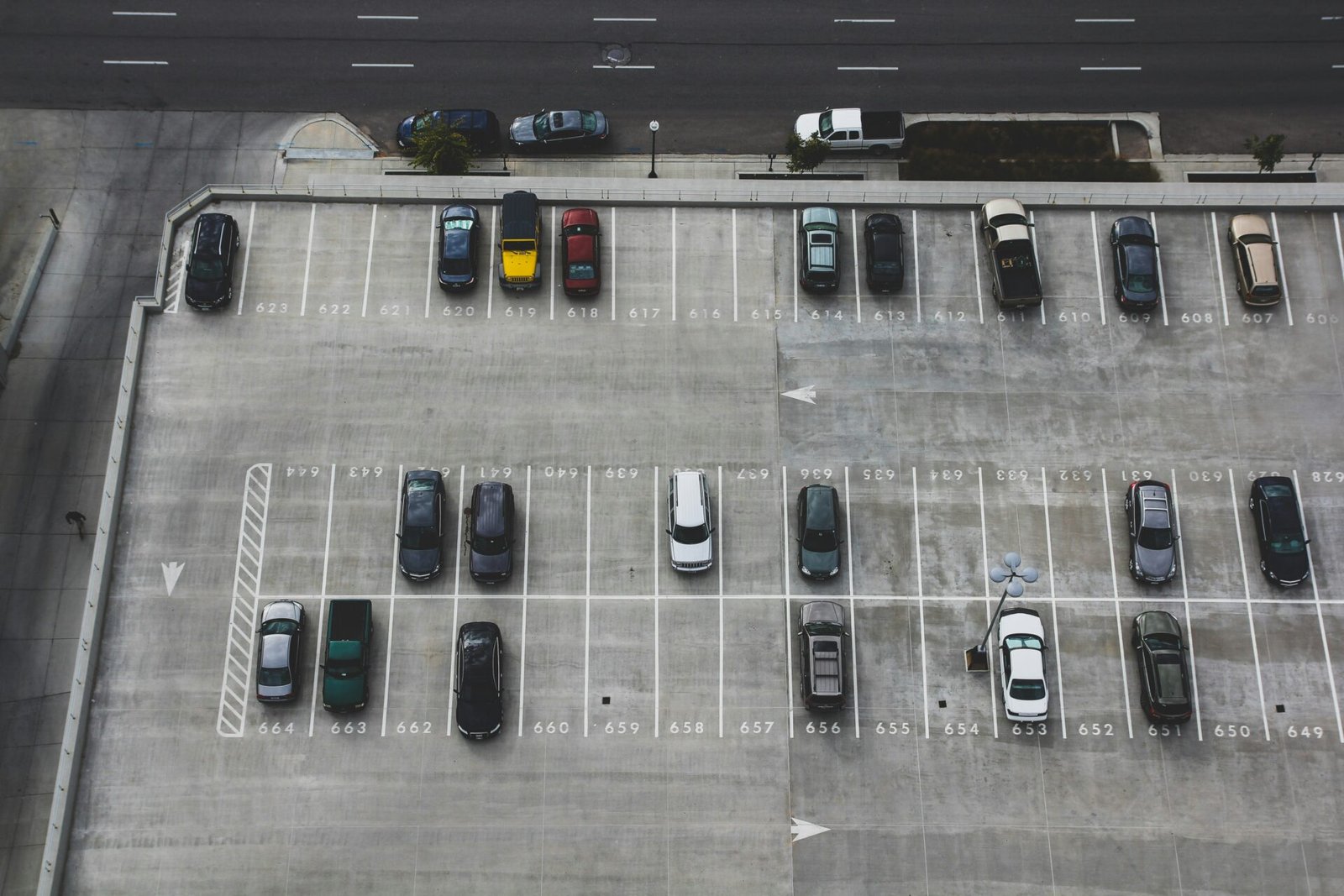
Introduction to Cashless Parking Solutions
In recent years, the landscape of urban parking management has undergone significant transformation, primarily driven by advancements in technology and an evolving consumer landscape. Cashless parking solutions have emerged as a crucial response to the challenges of traditional parking methods. These modern payment systems allow users to pay for parking via mobile applications, contactless cards, or online platforms, providing a more convenient and efficient experience for both consumers and municipalities.
The need for more streamlined parking operations is evident in many urban areas, where the demand for parking spaces often exceeds availability. Cashless parking solutions address these challenges by enabling real-time management of parking resources. They also facilitate various payment options, catering to the diverse needs of drivers who may prefer using their smartphones or digital wallets instead of physical cash. This shift not only enhances user convenience but also increases revenue collection for councils, ensuring that funds are accurately tracked and efficiently managed.
The rise of cashless payment options is a reflection of broader trends in digital commerce. As smartphones and mobile technology become increasingly ubiquitous, consumers are more inclined to adopt innovative payment methods that align with their lifestyles. Additionally, the growing emphasis on contactless transactions, accelerated by the COVID-19 pandemic, has further encouraged the adoption of cashless parking solutions. This transition illustrates councils’ commitment to fostering a modernized infrastructure that meets the dynamic needs of urban residents and visitors alike.
As we delve deeper into the benefits and implementation of cashless parking solutions, it becomes clear that these systems not only optimize parking management but also significantly enhance user experiences in the urban environment. Their increasing popularity suggests a promising future for urban mobility and accessibility.
The Growing Need for Cashless Payment Options
The evolution of parking payment systems is fundamentally reshaping how municipalities approach urban mobility and convenience. One primary driver behind this transformation is the increasing demand for convenience among users. Cashless payment options significantly simplify the parking process for drivers, allowing them to pay via mobile applications or contactless methods, thus eliminating the need to carry cash and search for coins. This ease of use not only enhances user satisfaction but also encourages compliance with parking regulations.
Additionally, the adoption of cashless payment systems enhances efficiency for both drivers and municipalities. For drivers, the ability to extend parking time through mobile applications means that they can avoid extra trips to the meter, ultimately saving time and improving the overall parking experience. For local councils, these systems streamline operations by automating payment processing and data collection. This allows municipalities to track parking patterns more effectively, facilitating better resource management and ultimately leading to improved urban planning.
Moreover, moving away from cash transactions significantly mitigates the risks associated with handling cash. Municipalities face various challenges, including theft, vandalism, and the administrative costs tied to collecting and counting cash. The implementation of cashless systems diminishes these risks, resulting in safer environments for both parking attendants and users. This shift also supports environmental sustainability, as cashless payments reduce the need for printing paper tickets and handling coins, contributing to a more eco-friendly urban atmosphere.
In essence, the growing need for cashless payment options stems from their convenience, efficiency, and safety enhancements. As more municipalities recognize these benefits, the move towards cashless parking solutions is poised to redefine urban parking management in a digital age.
How Councils Are Adopting Cashless Technology
In recent years, councils across the UK have begun to embrace cashless payment solutions to enhance the efficiency and convenience of parking management. The transition to cashless systems has been driven by the need for modernized infrastructure to accommodate the growing demand for seamless payment experiences. As a result, many local authorities are collaborating with specialized providers to implement these innovative cashless parking technologies.
The appointment of technology providers is a critical step in this process. Councils typically assess multiple vendors based on their ability to deliver effective cashless parking solutions that meet the specific needs of their communities. Key factors include the providers’ track record, technological capabilities, customer support, and flexibility in integrating with existing systems. This thorough evaluation ensures that councils select partners who can facilitate a smooth transition to cashless solutions, minimizing disruptions for users and staff alike.
Logistical considerations play a significant role in the implementation of cashless parking. Councils must plan for the installation of necessary infrastructure, such as mobile payment applications, contactless payment terminals, and digital signage to inform motorists about cashless options. Additionally, educating the public about new payment methods and transitioning strategies is essential for encouraging adoption. Public awareness campaigns, workshops, and informational brochures are often employed to ensure that residents are well-informed about how to use the new system effectively.
Moreover, councils are also focusing on data analytics to monitor usage patterns and improve their cashless parking strategies further. By analyzing transaction data, local authorities can identify trends, optimize pricing, and make informed decisions about parking availability and accessibility. This level of insight allows councils to refine their cashless payment solutions continuously, ensuring they cater to the evolving needs of their communities.
Benefits of Cashless Parking for Councils and Residents
The implementation of cashless parking systems presents significant advantages for both councils and residents. One of the most notable benefits is the potential for increased revenue generation. By adopting cashless payment solutions, councils can leverage technology to streamline their parking operations. This can lead to better enforcement of parking regulations, resulting in fewer cases of unpaid parking fees. Moreover, cashless systems often enable dynamic pricing strategies, which can optimize revenue based on demand patterns, ultimately benefiting municipal budgets.
In addition to revenue enhancement, councils can also experience reduced operational costs associated with traditional cash handling. Cashless parking eliminates the need for staff to manage and transport physical currency, thus minimizing labor and logistical expenses. This transition can also reduce costs related to the maintenance and servicing of parking meters. Overall, cashless payment solutions can enhance the efficiency of parking operations, allowing councils to allocate resources to other critical areas of public service.
For residents and visitors, cashless parking systems offer a far superior user experience. The convenience of digital payment options, such as mobile applications and contactless cards, simplifies the parking process. Users can conveniently pay for parking from their smartphones without the hassle of carrying coins or searching for a nearby parking meter. Furthermore, many cashless platforms provide users with real-time information about available parking spaces, significantly reducing the stress of locating a spot. Enhanced features such as notifications for parking expiration times also contribute to an improved experience.
Overall, the shift towards cashless parking systems not only benefits councils through increased revenues and reduced costs but also greatly enhances the experience for residents and visitors. The move towards cashlessness in parking is a testament to the efficiency and convenience that modern solutions can offer in urban environments.
Challenges and Concerns of Cashless Parking
The transition to cashless parking solutions has presented a variety of challenges that councils and users alike must address. One of the most significant concerns is accessibility for individuals who may not have smartphones or digital payment methods. A substantial segment of the population, including older adults and those from lower socioeconomic backgrounds, may not possess the necessary technology to engage in cashless transactions. This exclusion can lead to frustration and inequity in access to essential services, particularly in urban areas where parking fees are prevalent.
Furthermore, the increased reliance on digital payment systems raises legitimate cybersecurity concerns. The storage and transmission of financial information online present immense opportunities for cybercriminals seeking to exploit vulnerabilities. If parking apps and payment gateways are not adequately secured, personal data could be at risk, leading to identity theft or financial loss for users. Consequently, councils need to invest in robust cybersecurity measures to protect both data and users, which can strain municipal budgets and resources.
In addition, there are implications for elderly or less tech-savvy populations who may struggle to adapt to digital payment platforms. The shift to cashless parking could create a barrier for these groups, resulting in reduced mobility and increased isolation. It is crucial for councils to offer support tutorials, accessible interfaces, and alternative payment options, such as kiosks that accept cash or card payments. Providing educational resources and assistance allows for a smoother transition into cashless parking, fostering inclusion while alleviating some of the inherent challenges.
Overall, while cashless parking presents numerous benefits such as efficiency and reduced queue times, addressing these challenges is vital to ensure equitable access for all citizens. Developing multifaceted solutions will help mitigate concerns and enhance user experience in the evolving landscape of urban parking management.
Case Studies of Successful Implementations
Numerous councils across the globe have successfully implemented cashless parking solutions, yielding significant improvements in efficiency and user satisfaction. One prominent example is the city of San Francisco, where the San Francisco Municipal Transportation Agency (SFMTA) introduced a mobile app for parking payments. Users can now pay for their parking spaces through a mobile device, eliminating the need for physical coins and enabling a seamless payment experience. This transition resulted in a reported 40% increase in parking fee compliance, as users found the cashless system to be more convenient and user-friendly.
Similarly, in the UK, the London Borough of Wandsworth adopted cashless parking to enhance the parking experience for its residents and visitors. By utilizing a combination of mobile pay and contactless payment terminals, Wandsworth has notably reduced the time spent searching for loose change, thus streamlining the parking process. This approach led to a 30% reduction in parking violation notices, reflecting higher adherence to parking regulations and improved revenue collection for the council.
Another commendable case is that of the City of Toronto, which implemented a state-of-the-art cashless parking solution designed with user feedback in mind. The city introduced kiosks that accept various payment methods, including credit cards and mobile wallets, to accommodate the diverse preferences of vehicle owners. Since the introduction of this system, Toronto has reported increased parking revenues by approximately 25%. Moreover, user satisfaction surveys indicated that 85% of respondents appreciated the cashless system for its convenience and speed.
These case studies exemplify the effectiveness of cashless parking solutions in enhancing operational efficiencies and user experiences. The positive outcomes from San Francisco, Wandsworth, and Toronto showcase the potential benefits for other councils considering similar implementations, reinforcing the notion that cashless technologies can revolutionize the traditional parking landscape.
Future Trends in Parking Payment Solutions
The landscape of parking payment solutions is undergoing significant transformation driven primarily by technological advancements. As municipalities aim to streamline operations and enhance user experience, a shift toward cashless payment methods is becoming increasingly prevalent. Various trends are emerging, indicating a bright future for parking payment solutions that promise convenience, efficiency, and innovation.
One notable trend is the rise of mobile applications that enable users to find and pay for parking spots directly from their smartphones. These applications not only facilitate quick payments but also provide real-time information about available spaces, allowing drivers to save time and reduce congestion. The integration of features such as location tracking, digital receipts, and reminders for payment expiration will further enhance the functionality of these applications, making them indispensable for urban parking management.
Automated payment systems are also gaining traction, particularly in high-traffic areas where quick turnovers are vital. Developments such as license plate recognition technology enable seamless entry and exit while automating the payment process. These innovations reduce the need for physical interaction, thus promoting a contactless experience that is increasingly preferred by users.
Furthermore, artificial intelligence (AI) is poised to play a substantial role in optimizing parking management. By analyzing parking patterns and user data, AI can offer predictive insights that assist councils in managing supply and demand more effectively. For instance, AI algorithms can suggest optimal pricing strategies based on demand fluctuations, which not only maximizes revenue but also improves the user experience.
In essence, the future of parking payment solutions is leaning heavily towards digital innovation. With a focus on enhancing convenience through mobile technology, automating processes, and leveraging artificial intelligence, stakeholders can expect a more efficient, user-friendly parking ecosystem that meets the evolving needs of urban dwellers and visitors alike.
User Experiences with Cashless Parking Solutions
The introduction of cashless parking solutions has generated a range of feedback from users, illuminating both positive and negative aspects of these innovative systems. Many users have expressed a favorable opinion regarding the convenience that cashless options provide. For instance, the ability to pay for parking through mobile applications has been widely appreciated. Users often highlight the ease of not having to carry cash or worry about finding a machine to dispense a ticket. This aspect of cashless payment methods allows for a more seamless experience when looking for a parking space, as users can often renew their parking sessions remotely without returning to their vehicles.
Another significant advantage reported by users is the efficiency of cashless transactions. Individuals have noted that the process of parking payment is considerably faster than traditional methods. The instant confirmation of payment via mobile notifications is particularly favored, as it provides reassurance that the transaction has been successfully completed. Furthermore, the availability of digital records for parking sessions has been touted as a beneficial feature, helping users keep track of expenses incurred while parking.
In conclusion, the transition to cashless parking solutions has been met with a mix of enthusiasm and skepticism from users. While many appreciate the convenience and efficiency, the concerns of accessibility and reliability highlight the need for continued improvements in these systems to ensure a positive user experience for all.
Conclusion
As urban environments continue to evolve, the integration of cashless payment solutions in parking management stands out as a progressive response to the challenges faced by councils worldwide. The emergence of digital payment platforms has not only simplified the parking experience for users but has also enabled local authorities to manage parking resources more effectively. By eliminating the need for physical currency, cashless systems reduce the risk of theft and vandalism, while enhancing transaction convenience and overall user satisfaction.
The shift towards cashless parking aligns with broader trends in urban mobility, emphasizing the need for sustainable and efficient transport systems. With many cities grappling with congestion and limited parking space, these innovative solutions facilitate smoother traffic flow and optimize parking space utilization. Furthermore, cashless payment methods offer valuable data insights, allowing councils to analyze parking patterns and adjust their strategies in real-time, ultimately leading to improved urban planning and operational efficiency.
It is essential for local authorities to acknowledge the ongoing evolution in technology and user preferences. As consumers increasingly demand digital and mobile payment options, parking management systems must adapt accordingly. Councils that proactively embrace these advancements will not only enhance the experience for drivers but will also reinforce their commitment to achieving smarter, more connected cities.
In conclusion, cashless payment solutions represent a significant advancement in parking management that promises to transform urban mobility. By prioritizing the implementation of these technologies, councils can better meet the needs of their communities and pave the way for a more innovative and efficient future.
Transform your daily commute and long-distance road trips with our expertly tested selection of the best car accessories available in the UK. From emergency jump starters and cutting-edge 4K dash cams to clever boot organisers, these upgrades deliver genuine utility and peace of mind.
Our editorial team independently assesses motoring accessories based on real-world utility in UK driving and parking environments. Evaluation criteria include build quality under damp British weather conditions, ease of fitment across common UK boot sizes (hatchbacks, estates, and SUVs), anti-theft reliability in public car parks, and long-term value for money. We only recommend accessories that meet strict motorist security and convenience standards.
Whether you are navigating the rain-slicked M25, negotiating tight multi-storey car parks, or heading out across rural B-roads, outfitting your vehicle with the right kit makes all the difference. Modern cars may roll off the production line packed with tech, yet practical essentials like accurate tyre inflators, robust security deterrents, and reliable interior cleaners are frequently omitted.\n\nAt Parking Management Network UK, our test team evaluates dozens of motoring accessories in real-world conditions. We assess build quality, ease of installation, weather durability, and value for money to separate genuine road-trip saviours from cheap dashboard gimmicks. Below, discover our top 10 car accessories guaranteed to elevate safety, cleanliness, and comfort inside your vehicle.
Nextbase 622GW 4K Dash Cam
The Nextbase 622GW stands out as the ultimate digital eyewitness for UK motorists. Capturing ultra-crisp 4K video at 30fps with digital image stabilisation, it effortlessly picks up number plates in heavy motorway downpours and low-light winter commutes. An integrated polarising filter cuts windscreen glare, while built-in what3words emergency geolocating can alert emergency services to your precise three-metre location even if you lose mobile signal. It represents a premium investment, but for insurance protection and peace of mind on congested UK roads, it is second to none.
- Flawless 4K resolution with image stabilisation
- Built-in what3words geolocating for emergency rescue
- Polarising filter eliminates windscreen glare
- Super slow-motion playback mode for incident analysis
- Premium tier pricing
- Rear camera module sold separately
| Video Resolution | 4K @ 30fps / 1440p @ 60fps |
|---|---|
| Screen Size | 3-inch HD IPS Touchscreen |
| Connectivity | Wi-Fi, Bluetooth 5.0, GPS |
| Dimensions | 94 x 53 x 45 mm |
NOCO Boost Plus GB40 UltraSafe Lithium Jump Starter
There are few motoring headaches worse than hearing a dull click on a frosty British morning. The NOCO Boost Plus GB40 eliminates reliance on good Samaritans or lengthy breakdown recovery waits. Delivering 1000 amps of peak current, this compact lithium pack easily cranks petrol engines up to 6.0 litres and diesels up to 3.0 litres on a single charge. Its mistake-proof spark-free design and reverse polarity protection make it safe for complete novices. It doubles as an emergency power bank for smartphones and features an ultra-bright LED torch with SOS strobe.
- Delivers up to 20 jump starts on a single charge
- Spark-proof design with reverse polarity protection
- Compact footprint fits easily in the glove box
- Acts as a fast-charging USB power bank
- Supplied clamps are fairly short
- Micro-USB charging input is slightly dated
| Peak Amps | 1000A |
|---|---|
| Battery Capacity | 24 Watt-Hours |
| Engine Rating | Up to 6.0L Petrol / 3.0L Diesel |
| Weight | 1.09 kg |
Ring RTC1000 Rapid Digital Tyre Inflator
Proper tyre pressures are vital for fuel economy, vehicle handling, and tyre longevity. Ring is a trusted name in UK garages, and the RTC1000 is their premier 12V digital inflator. In testing, it inflated a flat 13-inch tyre to 35 PSI in under two minutes. The large backlit digital display lets you toggle between PSI, BAR, and kPA, while the auto-stop function shuts off the compressor as soon as your preset pressure is reached. Complete with a bright directional LED work light, integrated cable storage, and a brass screw-on valve connector, it makes petrol station air pumps obsolete.
- Rapid inflation time under two minutes
- Accurate auto-stop prevents over-inflation
- Extra-long 3.5m power cable reaches all four corners
- Includes adaptor kit for bicycles and sports balls
- Relatively noisy when operating under load
- Power cord winding requires tidy packing
| Power Source | 12V DC Cigarette Lighter Socket |
|---|---|
| Max Pressure | 100 PSI |
| Inflation Time | 2 mins (0 to 35 PSI on 13-inch tyre) |
| Cable Length | 3.5 metres |
VANMASS Universal Windscreen & Dashboard Car Phone Mount
With strict UK laws prohibiting any handheld phone usage while behind the wheel, a solid, non-intrusive phone mount is an absolute necessity. The VANMASS Universal Car Mount combines aircraft-grade PTFE polycarbonate with an industrial-strength suction cup that clings tenaciously to textured dashboards or windscreens, even throughout freezing British winters. The cradle features quick-release side buttons and adjustable bottom feet, effortlessly holding heavyweight smartphones equipped with chunky cases without vibrating on scarred tarmac.
- Unbeatable suction grip on textured dashboards and glass
- Full 360-degree ball-joint rotation for landscape navigation
- Compatible with large smartphones in rugged cases
- Sturdy telescopic arm brings screens closer to eye level
- Suction pad can leave a slight ring on dashboards if left in hot sun
- Takes up a fair amount of windscreen area if glass-mounted
| Mounting Type | Suction Cup / Air Vent Clip |
|---|---|
| Compatibility | 4.0 to 7.0 inch smartphones |
| Arm Extension | Up to 25 cm |
| Material | Aviation-grade PTFE & Silicone |
Disklok Gold Edition Steering Wheel Lock
With keyless car theft soaring across the UK, mechanical immobilisers have enjoyed a massive resurgence. The Disklok Gold Edition remains the undisputed champion of visible security. Forged entirely from reinforced steel, it completely encases the steering wheel. If an intruder attempts to steer the car, the lock spins freely on the wheel, preventing the steering mechanism from turning while preventing thieves from slicing through the steering rim or ripping out the airbag. It boasts Thatcham Category 3 attack approval, often translating into lower annual insurance premiums.
- Ultimate visual and physical deterrent against keyless theft
- Fully covers the steering wheel to protect the airbag
- Spins freely on the wheel when attacked
- Thatcham Category 3 approved security
- Bulky and heavy to store when driving
- Requires protective steering cover to prevent leather scuffs
| Material | All-Steel Construction |
|---|---|
| Certification | Thatcham Approved Category 3 |
| Weight | 4.0 kg approx. |
| Available Sizes | Small (35-39cm), Medium (39-41.5cm), Large (41.5-44cm) |
Drive Auto Products Heavy-Duty Boot Organiser
Sick of hearing groceries, screenwash bottles, and sports equipment slide around the boot every time you tackle a roundabout? The Drive Auto Products Boot Organiser restores instant calm. Constructed from heavy-duty 600D Oxford polyester, this multi-compartment carrier features rigid base plates to prevent sagging and an innovative tie-down strap system that clips into the vehicle’s luggage anchors. It folds down completely flat when not in use or can be snapped into a half-size configuration for smaller hatchbacks.
- Tie-down straps keep the organiser stationary during cornering
- Reinforced base and side walls prevent collapsing
- Collapsible to half size or completely flat
- Multiple mesh side pockets for smaller tools and cloths
- Not completely waterproof if a bottle leaks internally
- Takes up significant boot space when fully extended
| Material | 600D Oxford Polyester with reinforced base |
|---|---|
| Dimensions | 58 x 43 x 28 cm |
| Weight | 1.8 kg |
| Compartments | 2 main bays + 8 mesh pockets |
ThisWorx High Power Handheld Car Vacuum Cleaner
Keeping your car cabin pristine shouldn’t require dragging your heavy household vacuum across the driveway. The ThisWorx 12V car vacuum plugs straight into your auxiliary 12V socket, delivering impressive suction powered by a 110W motor. It comes packed with three practical attachments: a flathead hose for under-seat crumbs, an extension tube for reaching tight crevices down the seat rails, and a brush nozzle for lifting dog hair from woven upholstery. A washable HEPA filter traps fine dust, making it a budget-friendly must-have for families and dog owners.
- Generous 4.9m power cable easily reaches the boot
- Includes three specialized detailing attachments
- Washable dual-filter system traps allergens
- Compact carry bag included for neat boot storage
- Runs only off 12V DC; cannot run off household mains without adaptor
- Dust container capacity requires frequent emptying during deep cleans
| Power Source | 12V DC Auxiliary Socket |
|---|---|
| Motor Power | 110W / 8.8A |
| Cable Length | 4.9 metres |
| Weight | 1.08 kg |
Anker 323 52.5W High-Speed Car Charger
Most built-in car USB ports only supply a dismal 2.5 to 5 watts, barely trickling power into modern handsets running power-hungry navigation apps. The Anker 323 solves this bottleneck elegantly. Featuring a high-output 30W USB-C Power Delivery port alongside a 22.5W USB-A port, it charges an iPhone or Samsung Galaxy to 50% in roughly thirty minutes while simultaneously juicing up a passenger’s device or tablet. The discreet design sits nearly flush inside the 12V receptacle, while Anker’s MultiProtect suite safeguards against overheating and voltage spikes.
- High-speed 30W USB-C PD output easily fast-charges modern phones
- Dual ports allow two devices to charge simultaneously at full speed
- Sleek, low-profile finish blends neatly into modern switchgear
- Integrated surge and temperature safety protection
- Charging cables are not included in the box
- Can fit quite tightly in older, deeper 12V sockets
| Total Output | 52.5W Max (30W USB-C + 22.5W USB-A) |
|---|---|
| Input | 12V – 24V DC |
| Dimensions | 7.5 x 3.6 x 3.6 cm |
| Weight | 32 g |
Rain-X 2-in-1 Glass Cleaner & Rain Repellent
UK weather is notoriously unpredictable, making wet-weather windscreen visibility a prime safety factor. Rain-X 2-in-1 cleans automotive glass to a streak-free shine while applying hydrophobic water-beading technology in a single step. As you drive above 35-40 mph, rainwater beads up into tiny globules and rolls smoothly off the glass without needing constant wiper engagement. It drastically reduces road salt haze in winter and helps prevent ice and bug splatters from baking onto the glass.
- Immediate improvement to wet-weather forward visibility
- Cuts cleaning time by combining glass cleaner with rain repellent
- Causes rainwater to slip away effortlessly at motorway speeds
- Helps prevent frost, road grime, and insects from adhering
- Requires a clean, dry microfibre cloth to buff away light haze
- Hydrophobic layer needs reapplication every few weeks
| Volume | 500 ml trigger spray |
|---|---|
| Application | Exterior vehicle windscreens, side glass, and mirrors |
| Formula | Alcohol-based cleaner with hydrophobic polymers |
| Origin | Manufactured in the UK/EU |
AA Emergency Breakdown Car Safety Kit
Assembled by the UK’s most recognisable roadside motoring organisation, this all-in-one AA emergency kit ensures you are never caught unprepared during an unexpected breakdown. Packed into a handy zipped storage bag with velcro grip strips, it contains a foldable warning triangle meeting European ECE R27 standards, high-visibility reflective vests, heavy-duty booster jump cables, a weatherproof dynamic torch, and a comprehensive first aid kit. It is also an essential investment for anyone planning a European road trip across France or Spain.
- Meets legal requirements for European cross-channel driving
- High-vis vest and reflective triangle ensure motorway safety
- Compact carry bag adheres firmly to boot carpet via velcro
- Includes heavy-duty jump leads and first aid essentials
- Supplied torch requires separate AA batteries
- Jump leads are light-duty, suited primarily for small-to-medium petrol engines
| Contents | Warning triangle, 2x high-vis vests, jump leads, torch, first aid kit |
|---|---|
| Storage Case | Fabric zip case with carpet-gripping velcro strips |
| Dimensions | 43 x 20 x 8 cm |
| Compliance | ECE R27 and European motoring regulations |
Comprehensive UK Buyer’s Guide
Prioritise Safety and Roadside Self-Sufficiency
Before investing in aesthetic enhancements or convenience gadgets, ensure your vehicle carries equipment that keeps you safe during an unexpected breakdown. A digital tyre inflator allows you to deal with slow punctures on the shoulder, while a lithium jump starter means you can self-recover from a flat battery on sub-zero mornings without waiting hours for roadside assistance. Always ensure your emergency gear is accessible and not buried under heavy luggage.
Understanding UK Driving Laws and Tech Accessories
UK road laws around technology are strictly enforced. Phone mounts must never be positioned directly in your swept windscreen wiper zone if they impede your field of vision (The Highway Code Rule 149). Touching a mounted mobile phone while driving—even while waiting at red traffic lights—carries severe penalties (6 penalty points and a £200 fine). Choose mounts that hold your screen clearly in line of sight without obscuring the road ahead, and stick entirely to hands-free voice controls.
Power Management and In-Car Charging
Running modern accessories like 4K dash cams, phone mounts, coolboxes, and vacuums requires stable electrical draw. Standard 12V auxiliary sockets (cigarette lighters) generally supply up to 120W to 180W. Avoid daisy-chaining cheap unbranded splitters that lack internal fuses. Look for chargers and accessories featuring CE/UKCA safety certifications, surge protection, and intelligent Power Delivery (USB-C PD) chips that adjust current dynamically based on device battery thermals.
Vehicle Security: Physical vs Electronic Deterrents
Relay theft—where thieves intercept key fob signals outside your front door to unlock keyless vehicles in seconds—has made traditional physical locks essential once again. High-visibility mechanical deterrents such as full-face steering wheel locks disrupt modern digital theft techniques completely. Combining a Thatcham-approved lock with a Faraday pouch for your key fobs creates multi-layered protection that dissuades opportunistic criminals.
Frequently Asked Questions
Q: Can fitting a dash cam reduce my UK car insurance premiums?
Yes. Many leading UK insurance providers offer discounts between 5% and 20% on annual policies when you install an approved front-facing or front-and-rear dash cam. Even if your insurer does not provide an upfront reduction, having clear footage proving you were not at fault protects your No Claims Discount and eliminates drawn-out split-liability disputes.
Q: Will leaving 12V accessories plugged in flatten my car battery?
In most modern cars, the 12V auxiliary socket shuts down automatically shortly after the ignition is switched off. However, in certain makes (such as many Ford models), the 12V port remains permanently live. If your car keeps its socket powered continuously, leaving accessories like phone chargers, tyre pumps, or dash cams plugged in can slowly drain your battery over several days.
Q: Are car phone holders legal to mount on the windscreen in the UK?
Yes, provided the mount does not obstruct your view of the road. Under UK law, accessories must not intrude more than 10mm into the primary vision zone directly in front of the driver (Zone A), or more than 40mm into the wider swept area of the windscreen wipers. Mounting your holder low down to the bottom-right or centre console keeps you fully compliant.
Q: What car accessories are legally required when driving from the UK into Europe?
If you drive your UK-registered vehicle across the Channel to France, Belgium, or beyond, you are legally required to carry a UK identifier sticker (or have UK on your number plate), a reflective warning triangle, and a high-visibility reflective jacket for every occupant. In France, breathalysers are officially recommended, and spare headlamp bulbs are strongly advised.
Final Verdict: Which Should You Choose?
Equipping your car with the right accessories transforms your daily motoring from a potential headache into a smooth, secure, and stress-free journey. If your budget only allows for one or two key additions, we strongly recommend securing a top-tier dash cam like the **Nextbase 622GW** for invaluable legal protection, paired with a reliable emergency device such as the **NOCO Boost Plus GB40 Jump Starter**. Together with everyday staples like the **Ring RTC1000 Tyre Inflator** and the rock-solid **Disklok Steering Wheel Lock**, you will be thoroughly prepared for whatever British motoring throws your way.
Affiliate Disclosure: Parking Management Network UK is a participant in the Amazon Services LLC Associates Program. As an Amazon Associate, we earn from qualifying purchases at no extra cost to you. Product prices, ratings, and availability are subject to change on Amazon.co.uk.