Night driving comes with its own set of challenges that can affect your safety. With less light and the natural tiredness from driving after dark, you need to be more careful. Knowing the risks of night driving helps you follow safe tips and take the right precautions. We’ll look at key things that make you more aware and ready for driving in the dark.
Key Takeaways
- Navigating reduced visibility demands increased awareness of your surroundings.
- Prioritising eye health is essential for optimal night driving performance.
- Understanding common hazards can help prevent accidents on the road.
- Using effective headlight strategies can improve visibility when driving at night.
- Regular vehicle checks contribute to safer night journeys.
Understanding the Risks of Night Driving
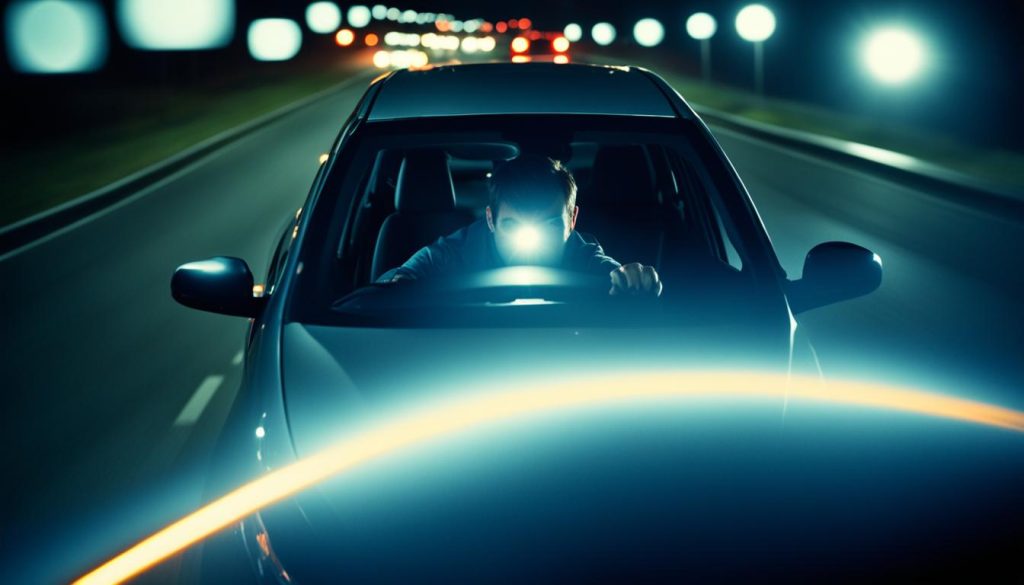
Driving at night comes with its own set of challenges that affect safety and comfort. It’s crucial to grasp these risks, especially about how dark roads make things hard to see and the higher chance of accidents at night. Many factors increase the risk of accidents during these hours. So, drivers need to stay alert.
Incident Rates and Visibility Challenges
Most car accidents occur after the sun goes down. Bad lighting hides dangers like pedestrians, cyclists, and obstacles on the road. Fatigue and slower reaction times make things even more dangerous. The table below shows how incident rates and night driving factors differ.
| Factor | Daytime Incident Rate | Nighttime Incident Rate |
|---|---|---|
| Overall Accidents | 40% | 60% |
| Pedestrian Involvement | 30% | 50% |
| Accidents Involving Cyclists | 20% | 45% |
| Fatal Accidents | 25% | 50% |
Common Night Driving Hazards
Several dangers are common at night that can affect how drivers see and react. These include
- Increased glare from headlights that can blind drivers.
- Poorly lit roads that hide dangers like potholes and debris.
- Unpredictable road users such as pets or wildlife that may appear suddenly.
- Fatigue that affects how well you concentrate and make decisions.

Importance of Eye Health for Night Driving
Keeping your eyes healthy is key for safe night driving. Many drivers don’t know that their night vision can get worse over time. Regular eye checks spot and fix conditions that affect night vision. If you don’t know you have vision problems, driving at night can be hard.
Regular Eye Examinations
It’s vital to have eye tests to check your vision and eye health. These tests can spot issues like:
- Presbyopia
- Myopia
- Astigmatism
- Nyctalopia
Finding these problems early means you can get help quickly. This can make your night vision better. It’s especially important for people over 40, who should keep getting their vision checked and might need new glasses.
Common Vision Issues Affecting Night Drivers
Some vision problems can make driving at night hard:
- Reduced contrast sensitivity makes it hard to see objects in the dark.
- Headlight glare can make it hard to see and cause eye strain, slowing your reactions.
- Finding it hard to adjust to changing light can lower your awareness.
Fixing these issues is crucial for safe driving. Not treating them can lead to risky situations. This shows why eye health is so important.

| Vision Issue | Effect on Night Driving | Recommended Action |
|---|---|---|
| Presbyopia | Difficulties focusing on distant objects | Regular eye exams and corrective lenses |
| Myopia | Blurred vision for distant objects | Prescription glasses or contact lenses |
| Astigmatism | Distorted vision affecting road signs | Corrective lenses and regular assessments |
| Nyctalopia | Difficulty seeing in low light | Professional evaluation for possible solutions |
Glare from Oncoming Traffic
Driving at night comes with its own set of challenges. Glare from oncoming headlights can really affect your vision. When bright lights suddenly hit you, it can lead to safety risks. It’s crucial for all drivers to know how glare impacts night driving.
How Glare Impacts Your Vision
Glare from oncoming traffic can make it hard to see road signs, pedestrians, or other cars. This can cause disorientation and slow down your reaction to dangers. The sudden brightness forces your eyes to adjust, making it uncomfortable and reducing visibility.
Strategies to Minimise Glare
Here are some ways to reduce glare while driving at night:
- Keep your focus on the left-hand side of the road for a steady point of reference.
- Wear anti-glare lenses or glasses to filter out harsh light without losing visibility.
- Clean your windshields and mirrors regularly to avoid distracting reflections or smudges.
- Dim your dashboard lights to cut down on extra glare.
Using these tips can help drivers lessen the effects of glare. This makes driving safer at night.
Choosing the Right Headlights
Choosing the right headlights is key for safe night driving. There are many types, each with its own benefits for safety. Knowing these options helps drivers pick the best for their cars and driving habits.
Types of Headlights for Optimal Visibility
There are several headlights that improve night vision, including:
- Halogen Headlights: The most common type, offering good brightness at a lower cost.
- Xenon (HID) Headlights: These produce a brighter light, are energy-efficient, and last longer.
- LED Headlights: They offer great visibility, last a long time, and use less power.
Headlight Maintenance Tips
Keeping headlights in good condition is crucial for safe night driving. Regular checks can stop them from getting dim and keep the road safe. Important maintenance steps include:
- Clean headlights regularly to remove dirt and grime that blocks light.
- Check alignment often; misaligned headlights can blind other drivers and work less well.
- Replace cracked or foggy lenses to keep visibility at its best.
- Change bulbs quickly when they don’t light up consistently.
Putting headlights maintenance first makes driving safer for you and others on the road.
Safe Night Driving Tips
Driving at night requires careful thought, especially about speed and road conditions. Using smart strategies helps drivers stay safe during these tough hours.
Speed Management and Road Awareness
Keeping a safe speed is key at night. Slowing down gives you more time to react to surprises like animals or road damage. Sticking to the speed limit helps you control your car better in the dark.
Pay close attention to the road to stay safe. Adjust your speed to fit the conditions. This way, you can act fast if danger comes your way.
Using Your Headlights Effectively
Headlights are crucial for safe night driving. Use dipped and full beams wisely to see better, especially in dark spots. Full beams are good on empty roads, but switch to dipped beams near other cars to avoid blinding them.
Make sure your headlights are working well. Dull or crooked lights can make it hard to see and increase accident risks.
| Key Strategies | Benefits |
|---|---|
| Speed Management | Improved reaction times and better hazard anticipation |
| Effective Headlight Usage | Maximised visibility and reduced glare for oncoming traffic |
| Regular Vehicle Checks | Ensures all lights and systems are working right |
Preparing Your Vehicle for Night Driving
Getting ready for night driving is key to staying safe. Checking your vehicle is a big part of this. Regular checks make sure your car works well, helping you see and react to dangers on the road.
Regular Safety Checks
Before you start a night drive, make sure to check your car. You should look at:
- Brakes: Make sure they work well and stop the car properly.
- Tires: Check they are full of air and have enough tread.
- Headlights: Make sure they are on and aimed right for night driving.
Ignoring these checks can be risky, especially when it’s dark.
Importance of Clean Windows and Mirrors
It’s crucial to keep your windows and mirrors clean for night driving. Dirt and steam can block your view, making it hard to see the road. Here’s how to keep them clean:
- Use the right cleaners to clean all windows and mirrors regularly.
- Look out for any marks that could affect your view at night.
- Use the defroster to clear any steam quickly.
Clear windows and mirrors help drivers see better at night. This makes driving safer.
| Vehicle Component | Check Frequency | Importance for Night Driving |
|---|---|---|
| Brakes | Monthly | Ensures reliable stopping power in low visibility |
| Tires | Weekly | Improves traction and stability on dark roads |
| Headlights | Every Trip | Maximises distance and clarity of view at night |
| Windows/Mirrors | Weekly | Enhances overall visibility during night driving |
Driving Behaviour Adjustments at Night
Changing how we drive at night is key to staying safe. With less light and more dangers around, it’s vital to keep distractions to a minimum. This helps drivers stay alert and quick to react to surprises on the road.
Avoiding Distractions
Distractions can slow down how fast we react and how aware we are. Things like mobile phones, car stereos, and talking to passengers are common distractions. To stay safe at night, drivers should try to avoid these distractions:
- Silence or place mobile phones out of reach.
- Limit conversations that require high concentration.
- Set navigation routes before starting the journey.
Maintaining Safe Following Distances
At night, it’s crucial to keep a safe gap from the car in front. Hazards can pop up suddenly, making it important to have enough space. Here are some tips for keeping a safe distance:
- Follow the two-second rule in clear conditions, extending it in inclement weather.
- Keep a steady speed to avoid sudden braking.
- Be extra cautious when driving behind larger vehicles that can block visibility.
Reducing Glare while Night Driving
Night driving is tough, especially with glare and poor visibility. There are ways to cut down glare and make driving safer at night. This part looks at how special lens coatings and a clear view inside the car can help.
Lens Coating Solutions
Lens coatings are key in fighting off glare from headlights and streetlights. They make things clearer and cut down on reflections. This means drivers can see better at night.
- Anti-Reflective Coatings: Let more light in and reduce reflections.
- Polarised Coatings: Fight glare from wet roads.
- Photochromic Lenses: Change with the light, giving the best view in all conditions.
Maintaining a Clear View Inside the Car
Having a clean view inside the car is important. A tidy car reduces distractions, helping drivers stay focused. It’s key to clean windows and mirrors often, especially at night when dirt and mist can block your view.
Here are some tips to keep things clear:
- Regularly clean windows with a good glass cleaner.
- Make sure mirrors are set right to avoid blind spots.
- Don’t leave things on the dashboard that cause reflections.
Recognising Your Limits: Tiredness and Night Driving
Tiredness can really affect how well you drive, especially at night. If you ignore it, you might react slower and make poor choices. It’s key to know these risks to stay safe on the roads. Knowing your limits helps you drive safer and lowers the chance of accidents.
The Risks of Fatigue
Driving while tired is very risky. It makes you less alert, which can mess with your focus and decisions. You might react slower, like when you’re drunk. These incidents can lead to serious outcomes.
Tips for Staying Alert
Here are some ways to stay awake while driving at night:
- Schedule regular breaks during long journeys to refresh your mind.
- Consume caffeinated beverages to help enhance alertness temporarily.
- Consider sharing driving responsibilities with another licensed driver, when possible.
- Avoid driving during hours when you regularly sleep.
- Engage in stimulating conversations with passengers to stay mentally active.
Spotting early signs of tiredness lets drivers act before it gets worse. Staying alert is key to making the roads safer for all.
Night Driving Essentials to Carry
When driving at night, being ready is key for safety and peace of mind. Having the right items for night driving can really help, especially in emergencies. Here are some important things to keep in your car for night driving.
Emergency Gear for Nighttime Situations
Having the right emergency gear can save lives in unexpected road incidents at night. You should consider these essential items:
- Torch – A good torch can light up dark places, helping you find your way if your car stops working.
- Blanket – A warm blanket keeps you cozy and safe from the cold while you wait for help.
- Warm clothing – Extra clothes can keep you warm if you have to get out of your car.
- First aid kit – This should have basic medical supplies for any small injuries.
- Reflective triangle – Putting this on the road makes other drivers aware of your stopped car.
Staying Visible: The Role of Reflective Clothing
Reflective clothing is also vital for night driving. Wearing these items makes you more visible in the dark. If you have to leave your car, reflective clothes help other drivers see you, lowering the chance of accidents.
Keeping a kit with emergency gear ready will help you handle the unexpected. It makes driving at night safer and easier.
Using Night Driving Apps for Safety
Technology is making night driving safer with various apps designed to help. These apps offer features that give drivers important insights and support during evening drives.
Features of Useful Night Driving Apps
Night driving apps have many features to improve driving at night. Key features include:
- Real-time weather updates: Stay updated on weather that might affect visibility.
- Navigation assistance: Better GPS navigation helps avoid dark roads and unknown paths.
- Hazard alerts: Alerts about hazards near you give drivers important info for safer choices.
- Road condition reminders: Reminders about road conditions help drivers get ready for what’s ahead.
How Technology Can Enhance Safety
Technology makes driving at night safer and less stressful. With a night driving app, users get access to key data for smoother and safer trips. For example:
- Reduced anxiety: Having the latest info on road conditions can ease your worries.
- Improved awareness: Hazard alerts make you more alert when driving in the dark or on unknown roads.
- Greater confidence: Better navigation helps you pick the safest routes.
Using night driving apps is a great way to support traditional safety steps. It makes drivers feel ready and informed when driving at night.
Inviting Only Experienced Drivers at Night
Night driving is tough and needs special skills and extra focus. Choosing experienced drivers for night trips makes the journey safer. They have the skills needed to lower the risk of accidents. For new drivers, getting better through training is very helpful.
Developing Night Driving Skills
Learning to drive at night is more than just practicing. It’s about knowing the dangers that are bigger in the dark. Drivers should work on:
- Understanding how less light affects visibility and adjusting speeds.
- Using defensive driving to spot and react to dangers early.
- Getting to know how headlights and wipers help with seeing better.
Considerations for Inexperienced Drivers
New drivers might find night driving hard. They should:
- Think about taking advanced driving courses for night driving.
- Practice driving in the dark with someone watching over them.
- Know the signs of tiredness and know when it’s not safe to drive.
Weather Considerations for Night Driving
The weather has a big impact on night driving. Bad weather can make it hard to see and challenge drivers. Knowing how to handle these situations can make driving safer.
Impact of Weather on Visibility
Weather and night driving mix to create big visibility issues in bad weather. Rain, fog, snow, or ice can make seeing the road hard. Here’s how different weather affects visibility:
| Weather Condition | Impact on Visibility |
|---|---|
| Clear | Good visibility, minimal obstacles. |
| Rain | Reduced visibility due to water on the road and vehicle windows. |
| Fog | Severely low visibility, requiring extra caution. |
| Snow | Obscured road markings and reduced traction. |
| Ice | Substantial risk of losing control; limited visibility due to winter conditions. |
Adapting Driving Techniques in Different Conditions
When the weather is tough and it’s dark, changing how you drive is key. Here are some tips to stay safe:
- Limit speed: Going slower helps you react faster to dangers.
- Increase following distance: This gives you more time to stop if the car in front brakes suddenly.
- Use headlights wisely: Turn on your headlights in rain or fog to help you see better.
- Be prepared for sudden changes: Things can get worse quickly, so always be ready.
Conclusion
Navigating roads at night comes with its own set of challenges. To stay safe, it’s important to follow the night driving safety tips shared here. These tips include reducing glare and keeping your vehicle in good condition.
It’s crucial to stay alert and ensure your car is ready for night driving. Using technology to help you on your journey is also key. This can make a big difference in your safety and the safety of others on the road.
By following the advice in this guide, drivers can make night driving safer. Remember, staying alert and making smart choices is essential for safe driving at night. By doing so, you protect yourself and help make the roads safer for everyone.
In conclusion, these tips highlight the need for preparation and being proactive. Always stay safe, keep your eyes open, and aim for a secure night drive.
FAQ
What are the main hazards of night driving?
Night driving is risky because it’s harder to see, you might get tired, and there’s glare from headlights. You also have to watch out for walkers and bikers. Knowing these dangers is key to driving safely at night.
How can I reduce glare while driving at night?
To cut down on glare, keep an eye on the left side of the road. Think about getting anti-glare lenses. Also, keep your windshields and mirrors clean to reduce reflections and distractions.
Why is eye health important for night driving?
Good eye health is vital for driving at night. Conditions like presbyopia, myopia, and nyctalopia can make it harder to see at night. Getting regular eye checks helps fix any vision problems.
What maintenance should I perform on my headlights?
Make sure your headlights are lined up right, clean, and working well. Replace any bulbs that are out to keep your visibility good at night.
What can I do to stay alert while driving at night?
Watch out for getting tired, take breaks, and drink caffeinated drinks if you need to. Knowing your limits helps you stay focused at night.
What essential items should I carry for night driving?
Carry a torch, warm clothes, a blanket, and reflective gear. This helps you be seen if you have to get out of your car in an emergency.
How can technology improve my night driving experience?
Use night driving apps for updates on the weather, help with navigation, and alerts for dangers. This makes driving at night safer and helps you make better choices.
How does weather affect night driving?
Bad weather like rain, fog, or snow makes it hard to see. You need to slow down, keep a safe distance, and be extra careful for dangers.