Introduction
Tight parking spaces present a series of challenges for drivers, often leading to frustrating and sometimes costly consequences. In urban environments where available parking is at a premium, maneuvering into cramped spots has become a common dilemma. The act of parking in these narrow areas increases the likelihood of unintentional contact with adjacent vehicles and surrounding obstacles, resulting in potential damage to car doors. This vulnerability is critical, as every dent or scratch diminishes the overall aesthetic appeal of a vehicle and can even affect its market value.
As vehicles are commonly seen as significant investments, protecting their exterior becomes essential. The aesthetic quality of a car often reflects not only personal pride but also influences potential resale value. A well-maintained exterior can attract buyers, while visible signs of wear and tear may deter them. Therefore, safeguarding against damage in challenging parking conditions is not merely a matter of convenience; it is a proactive approach to maintaining a vehicle’s overall value.
This blog post aims to address the issues associated with tight parking spaces and the role that car door protectors can play in mitigating damage. By implementing effective protective measures, drivers can preserve their vehicle’s condition while navigating the narrow, congested spaces often found in urban settings. Through this exploration, readers will gain valuable insights into the importance of car door protectors and how they serve as a practical solution to a prevalent problem. Ultimately, we will highlight the significance of investing in preventative measures that contribute to the longevity and appearance of one’s vehicle.
Understanding Tight Parking Spaces
Tight parking spaces are prevalent in urban environments, where the dense population and limited land availability force vehicles into narrower confines. In many cases, residential areas feature narrow driveways that can barely accommodate standard-sized vehicles. Consequently, these tight configurations make parking a challenging endeavor, often leading drivers to be more vulnerable to minor accidents and dents.
Crowded car parks further exacerbate this issue, as they usually host a myriad of vehicles parked in close proximity. According to recent statistics, minor collisions and door dings occur more frequently in these congested environments. In fact, studies suggest that nearly 50% of vehicle owners have experienced damage to their cars whilst parked, with tight spaces being one of the leading contributing factors to such incidents.
The physical limitations imposed by tight parking spaces are evident as maneuvering a vehicle in these areas often requires precision and foresight. Drivers might have to negotiate sharp angles and limited visibility, increasing the likelihood of scraping a neighboring vehicle or a structure. For instance, parking near lamp posts, walls, or other vehicles necessitates cautious handling, especially for larger cars or SUVs that require more room for door swings. The mere act of entering or exiting a vehicle can inadvertently lead to damage when parked too closely to another car or fixture.
This risk is not merely anecdotal; many car owners experience an emotional and financial burden when faced with repair costs arising from damage incurred in tight parking spaces. Therefore, the importance of a robust solution, such as a car door protector, becomes evident. These protective measures not only safeguard vehicles from potential harm but are also increasingly indispensable for those navigating the challenges posed by tight parking spaces.
What is a Car Door Protector?
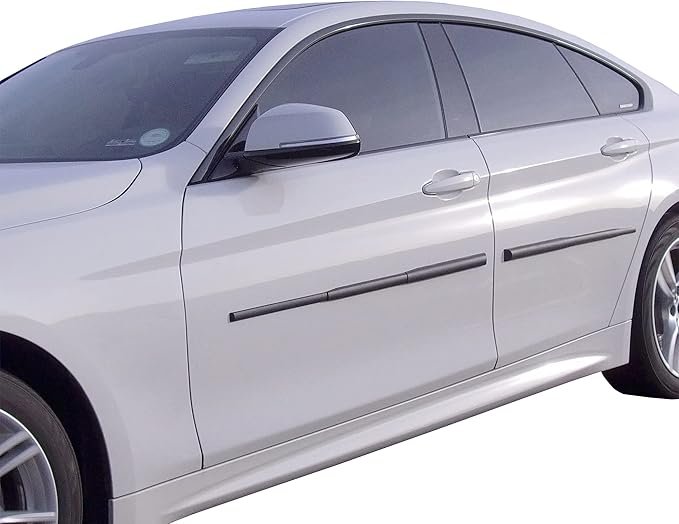
A car door protector is a specific accessory designed to safeguard the surfaces of vehicle doors from damage, particularly in tight parking spaces where risks of door dings and scratches are heightened. These protectors come in various materials, including rubber, vinyl, and foam, each catering to different needs and preferences. By providing a physical barrier, they absorb impact and prevent direct contact with adjacent vehicles, thereby preserving the aesthetics and integrity of the car’s exterior.
Rubber car door protectors are popular for their durability and weather resistance. Their flexibility allows them to conform to the shape of the vehicle, ensuring a snug fit that can withstand various environmental conditions. Additionally, rubber options are often designed with a textured surface, which can further enhance grip and prevent slipping. Vinyl protectors, known for their sleek appearance, also offer excellent protective qualities. They are lightweight, easy to install, and come in a variety of colors and finishes, making them an attractive option for car owners who prioritize style along with functionality.
Foam protectors represent another viable choice, appreciated for their lightweight and soft touch. Made from high-density foam, these protectors effectively absorb impact, thus mitigating the potential for scratches and minor dents. They are particularly beneficial in urban settings where parking space is limited and the risks of accidental contact are considerable. Each type of car door protector serves its purpose and facilitates the protection of car doors across various models, ensuring that vehicle owners can maintain their cars in pristine condition while navigating congested parking scenarios.
Top 10 Car Door Dent Protectors Best Sellers
The Importance of Car Door Protectors
Investing in a car door protector is increasingly recognized as a prudent decision for vehicle owners, particularly those who frequently navigate tight parking spaces. One of the primary benefits of using car door protectors is the significant reduction in repair costs associated with minor dents and scratches. Statistics indicate that repairing bodywork damage can range anywhere from $200 to $1,500, depending on the severity of the damage and the model of the vehicle. By employing protectors, drivers can effectively mitigate these expenses and preserve the integrity of their vehicle’s exterior.
Additionally, car door protectors play a critical role in maintaining a vehicle’s aesthetic appeal. A car reflects its owner’s personality, and visible damage can create a negative impression. An investment in a door protector safeguards the vehicle against not only its own wear and tear but also protects neighboring cars that may inadvertently come into contact during tight maneuvers. By preventing scratches and dents, car door protectors help sustain the overall appearance of the vehicle, keeping it attractive for longer periods.
Furthermore, the long-term benefits of car door protectors extend to enhancing the resale value of the vehicle. Car buyers are increasingly vigilant about a car’s condition, and those with a well-maintained exterior command higher prices. Data from the automotive market indicates that vehicles without noticeable damage can sell for up to 20% more than similarly aged vehicles that have visible imperfections. Thus, by prioritizing the use of car door protectors, owners not only avert immediate repair costs but also bolster their investment’s potential return when it comes time to sell or trade in.
In essence, utilizing a car door protector serves as a proactive measure in preserving both the visual and financial value of your vehicle. It proves advantageous in safeguarding against damage, ensuring that both your car and adjacent vehicles in confined parking areas remain unscathed.
Factors to Consider When Choosing a Car Door Protector
When selecting a car door protector, several essential criteria should be taken into account to ensure compatibility and usefulness. First and foremost, compatibility with vehicle types is crucial. Not all car door protectors are universal; therefore, it is important to choose a model that specifically fits the dimensions and style of your vehicle. Vehicle owners should reference manufacturer specifications to find a product that seamlessly integrates with their car’s make and model.
Ease of installation is another vital factor. Many contemporary car door protectors offer straightforward, DIY installation methods, often involving simple adhesive or clip-on systems that do not require specialized tools. Reviewing product instructions or watching installation videos can be beneficial to determine if it matches your skill level and expectations. A protector that is quick to install can save both time and effort.
Durability should also weigh heavily in your decision. Look for materials that can withstand daily wear and tear, as well as environmental conditions. High-quality vinyl or rubber options tend to offer better resistance to scratches and dents, ensuring that the protector itself remains effective over time. Beyond functionality, the style of the car door protector should complement the vehicle’s aesthetics. Many products are available in various colors and designs, allowing for personalization while maintaining practicality.
Finally, price consideration is indispensable. Determine a budget, but remember to weigh the cost against the value and protection offered. Cheaper options may lack the durability or effectiveness required, while pricier models might be unnecessarily extravagant. Striking a balance between quality and cost will aid in selecting a car door protector that meets your individual parking needs without breaking the bank.
Installation and Maintenance of Car Door Protectors
Installing a car door protector is a simple yet significant step toward preserving your vehicle’s appearance, especially in tight parking spaces. A variety of car door protectors are available, including rubber strips, adhesive films, and magnetic guards. Each type may possess its unique installation requirements, but the process generally follows similar principles.
For adhesive car door protectors, ensure the area where the protector will be applied is clean and dry. Start by measuring the door and cutting the protector to the desired length. Peel off the backing and carefully position the protector along the door’s edge, applying firm pressure to secure it. Ensuring proper alignment is crucial as it enhances both functionality and aesthetics. For magnetic protectors, simply align them to the door and press firmly to engage the magnets.
Rubber strips often require minimal installation effort, relying on a self-adhesive back. These should be pressed onto a cleaned surface and held in place for a few minutes to allow the adhesive to grab. It’s advisable to consult the manufacturer’s instructions for specific details that may apply to your chosen type of protector.
Maintenance of car door protectors is key to prolonging their functional life. Regular cleaning of the protectors helps prevent grime buildup, which could diminish their effectiveness. Use gentle soap and water, avoiding harsh chemicals that could degrade the material. Furthermore, it’s prudent to periodically inspect the protectors for any signs of wear or tear. If you notice any damage, prompt replacement is recommended to ensure continued protection.
By adhering to these installation and maintenance tips, car door protectors can effectively shield your vehicle from scrapes and dings, making them a worthwhile investment for anyone who frequently navigates tight parking areas.
Comparing Car Door Protectors: Pros and Cons
When considering the purchase of a car door protector, it is essential to analyze the various options available on the market. Car door protectors come in different materials, styles, and functionalities, each with their specific advantages and disadvantages. Understanding these differences can greatly facilitate your decision-making process.
One popular type of car door protector is the adhesive film. These transparent films offer a lightweight solution that is easy to install and remove without damaging the vehicle’s paint. The primary advantage of adhesive films is their cost-effectiveness, as they are often more affordable than other options while providing decent protection against minor scrapes and dents. However, their effectiveness may diminish over time, especially when exposed to extreme weather conditions.
Another option includes rubber door edge guards, which are designed to absorb impact and prevent damage from adjacent vehicles. These guards tend to be quite durable and provide excellent protection for the edges of car doors. While they can be aesthetically appealing, some users report they may not fit all vehicle models seamlessly, leading to a less polished look. Additionally, rubber guards can be slightly more expensive compared to adhesive films.
Additionally, a more robust option is the magnetic door protector. These devices attach magnetically and can be easily removed or repositioned. They offer superior protection against larger impacts but come at a higher price point. Their bulkier nature may also risk being cumbersome to handle, particularly in tight parking situations.
Ultimately, the choice of car door protector will depend on individual needs and preferences. Cost, effectiveness, aesthetics, and ease of use should be weighed carefully. By thoroughly assessing these factors, consumers can make informed decisions tailored to their specific parking scenarios and vehicle requirements.
Real-Life Experiences: Testimonials and Case Studies
Many car owners face the daily challenge of tight parking spaces, often leading to stressful situations where door dings or scratches can occur. A recent survey revealed that a significant number of users who installed car door protectors reported noteworthy benefits. For instance, Sarah, a resident of an urban area, shared her experience of parking in a particularly narrow garage. She recounted one situation where her car was nearly sideswiped by a neighboring vehicle. Fortunately, her decision to install a car door protector helped prevent substantial damage, demonstrating the advantages of having this protective equipment in place.
In another case, Matthew, who frequently parks in metered spots near his office, found that investing in a door protector saved him a considerable amount in repair costs. After a year of use, he realized that he had avoided at least three incidents that would have required expensive fixes to the car’s exterior. His testimony highlights not only the cost-effectiveness of using these protectors but also the peace of mind they bring when navigating tight spaces.
Furthermore, testimonials from various users emphasize the overall satisfaction derived from car door protectors. Owners have noted an increase in their willingness to park in multifaceted environments, knowing their vehicles are safeguarded. The ease of installation and effectiveness of these protectors—ranging from rubber bumpers to custom-fit shields—has also contributed to their popularity among car enthusiasts. Real-life experiences have showcased how these additions can mitigate the daily wear and tear associated with urban driving and parking, leading to longer-lasting vehicle integrity.
As seen through these anecdotes, the practical impact of car door protectors in tight parking situations cannot be overstated. The protection they offer not only preserves the aesthetic appeal of vehicles but also helps maintain the value over time, making them a prudent investment for conscientious car owners.
Conclusion
As urbanization continues to present challenges for vehicle owners, the necessity of car door protectors becomes increasingly evident, especially for those navigating tight parking spaces. Throughout this discussion, we have highlighted several important points regarding the advantages of using door protectors. First and foremost, these protective accessories provide a safeguard against the inevitable dings and scratches that can occur when doors come into contact with adjacent vehicles or structures in constrained environments.
Moreover, we examined how car door protectors not only preserve the aesthetic appeal of your vehicle but can also contribute to maintaining its resale value over time. By minimizing damage due to parking mishaps, vehicle owners can avoid costly repairs that could result from dings and dents, thus saving money in the long run. This becomes particularly vital for individuals relying on their cars for daily commuting, as a well-maintained vehicle is essential for ensuring efficient transportation.
Additionally, it is worth noting that the ease of installation and the variety of designs available can cater to many preferences and needs. Whether you opt for adhesive protectors or those that require minor modifications, the investment in these protective features can pay off significantly. We encourage readers to carefully evaluate their options and consider the many benefits that car door protectors offer. By prioritizing the protection of your vehicle, especially in tight parking areas, you can enjoy more peace of mind and a greater sense of security. Taking proactive steps to safeguard your car will not only enhance your driving experience but will also help prolong the life of your vehicle.