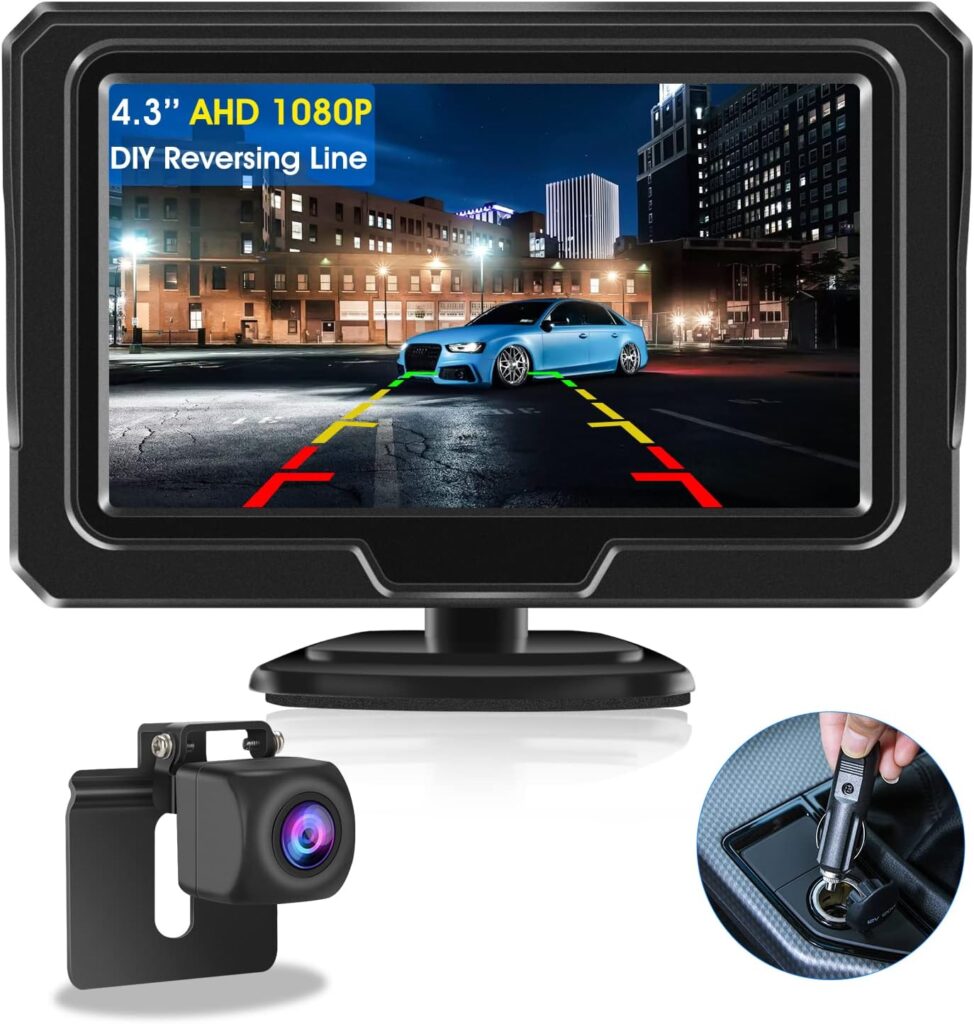
Introduction to Backup Cameras
Backup cameras, also known as rear-view cameras, are an innovative vehicle safety feature designed to prevent accidents while reversing. These cameras provide drivers with a clear view of the area directly behind their vehicle, effectively eliminating blind spots that can lead to collisions. Typically integrated into the rear of a vehicle, backup cameras work by utilizing a lens to capture live image feeds that are displayed on a screen within the vehicle’s cabin, allowing the driver to maneuver safely.
The technology behind backup cameras has evolved significantly over the years, and they are now available in various formats to cater to different vehicle types and user preferences. The most basic systems comprise a single camera mounted at the rear, which provides a wide-angle view of the surroundings. More advanced systems may incorporate multiple cameras, offering 360-degree views around the vehicle, thus enhancing situational awareness. Some models further include features such as parking guidelines, dynamic trajectory paths, and object detection alerts, which contribute significantly to the overall safety and efficiency of driving.
In recent years, regulations have prompted manufacturers to include backup cameras as standard equipment in new vehicles, highlighting the growing recognition of their role in accident prevention. As a result, drivers are increasingly encouraged to consider backup cameras when either purchasing a new or used vehicle or looking to install aftermarket systems. With various options available, such as wireless models, dash-mounted screens, and integrated solutions, individuals can find a backup camera system that best meets their individual needs and preferences.
The Importance of Vehicle Safety
Vehicle safety remains a paramount concern for drivers, pedestrians, and policymakers alike. In recent years, statistics have shown a concerning trend in accidents caused by reversing vehicles. According to the National Highway Traffic Safety Administration (NHTSA), nearly 300 people die annually in the United States due to backover accidents, with children and the elderly being disproportionately affected. This alarming figure underscores the urgent need for enhancements in vehicle safety technology.
One of the most prevalent issues drivers face is blind spots, particularly when reversing. Traditional side mirrors often do not provide adequate visibility of the area directly behind a vehicle, creating a risky situation. Blind spots can vary significantly based on the vehicle’s size and design, making it especially difficult for drivers of larger vehicles such as SUVs or vans to spot pedestrians or obstacles lurking in these hidden areas.
The implementation of a backup camera system presents a significant advancement in addressing these visibility challenges. Equipped with an integrated camera mounted at the rear of the vehicle, these systems expand the driver’s field of view, effectively mitigating blind spots. When reversing, the driver can rely on real-time video displays, allowing them to detect potential hazards that would otherwise go unnoticed.
Moreover, many backup cameras incorporate additional features such as grid lines that assist the driver in gauging distances and angles when backing up. This added layer of support can dramatically reduce the chances of accidents, making backup camera systems a vital component in promoting safe driving practices. The integration of this technology not only aids in clarity while reversing but also reinforces a broader commitment to enhancing vehicle safety standards.
Benefits of Backup Camera Systems
In an era where road safety has become paramount, the integration of technology in vehicles has significantly enhanced driving practices. One such advancement is the backup camera system, an invaluable tool that offers multiple benefits to drivers. The primary advantage of a backup camera is its role in improving safety. These systems provide a wide-angle view of the area behind the vehicle, allowing drivers to detect obstacles, pedestrians, or other vehicles that may not be visible through traditional mirrors. By increasing visibility, backup cameras can effectively reduce the risk of accidents during reverse maneuvers.
Furthermore, the presence of a backup camera system contributes to a considerable decrease in property damage and personal injury incidents. According to various studies, vehicles equipped with these cameras have shown a notable decline in backing accidents, underscoring their importance in promoting safer driving behaviors. This reduction in accidents not only helps prevent costly repairs but also mitigates potential liabilities that drivers may face due to accidents. Additionally, many jurisdictions are recognizing the safety benefits of backup cameras, prompting legislation that encourages their use in new vehicles.
Another significant benefit is the peace of mind a backup camera provides when parking or reversing in crowded areas. Drivers often experience anxiety when navigating tight spaces, particularly when visibility is limited. The assistance of a backup camera alleviates these concerns, as it allows drivers to maneuver with greater confidence. This enhancement in situational awareness fosters better decision-making, further contributing to safe driving practices. Ultimately, the installation of a backup camera system can be viewed not just as an added feature, but as a critical component of modern vehicle safety, transforming the driving experience for users.
Types of Backup Camera Systems
Backup camera systems have evolved significantly over the years, offering a variety of options to cater to diverse automotive needs. The two primary types of backup camera systems are wired and wireless, each with its own set of features, benefits, and considerations that can help users make informed decisions.
Wired backup camera systems typically involve installing cables that connect the camera to the monitor inside the vehicle. This type of system is praised for its consistent video quality and reliability. The wired connection often provides better image clarity, allowing users to rely on the system even in adverse weather conditions. Additionally, because there is no need for a wireless signal, wired systems are less susceptible to interference. However, installation may be more complex and time-consuming due to the need for routing cables throughout the vehicle.
On the other hand, wireless backup camera systems offer a more straightforward installation process, as they eliminate the need for cables running from the rear of the vehicle to the front. This convenience makes them an attractive option for many vehicle owners. The wireless technology utilizes a transmitter to send the video feed from the camera to the monitor in real-time. While wireless systems are generally easier to install, users may experience variability in video quality, especially at longer distances or in environments filled with electronic signals. Thus, it’s essential for potential buyers to consider their vehicle type and typical usage when selecting a backup camera system.
Additionally, some models boast advanced functionalities, such as night vision, parking lines assistance, and even integration with smartphone applications. This range of features can significantly enhance the user experience, making it vital for buyers to assess what functionalities are most beneficial for their specific driving needs.
Top 10 Car Reversing Cameras Best Sellers
Legal Considerations for Backup Cameras
The installation and use of backup cameras in vehicles have garnered significant attention from both regulatory bodies and consumers. In various regions, including the United Kingdom and the European Union, there are specific legal requirements pertaining to the integration of backup camera systems in newly manufactured vehicles. The aim of these regulations is to enhance safety and reduce accidents caused by blind spots when reversing.
In the EU, a regulation mandates that all new cars must be equipped with rearview cameras as part of their safety features. This regulation is part of a broader initiative to improve vehicle safety and is aligned with a commitment to reduce fatalities and injuries on the roads. The measure is particularly beneficial, as it aids drivers in detecting pedestrians and obstacles that may not be easily visible through traditional rearview mirrors. Failure to comply with this regulation may result in penalties for manufacturers, underscoring the importance of these devices in modern automotive design.
In the UK, similar laws exist, requiring new vehicle models to include a reversing camera system as standard equipment. The regulations have been introduced following studies indicating the efficacy of backup cameras in preventing accidents. For vehicle owners considering aftermarket installations, it is crucial to ensure that the system complies with local laws and safety standards. In some jurisdictions, retrofit installations may not be subject to the same regulations but adhering to safety recommendations remains imperative.
Overall, understanding the legal landscape surrounding backup camera systems is essential for both manufacturers and consumers alike. By staying informed about regulations in your region, vehicle owners can ensure that their cars are compliant while also benefiting from the enhanced safety features these systems offer.
Installation Process for Backup Cameras
When considering the installation of a backup camera system in your vehicle, you have the option of professional installation or a do-it-yourself (DIY) approach. Both methods necessitate specific tools, skills, and precautions to ensure a successful setup. Understanding these aspects will enhance the overall effectiveness of the backup camera and improve user experience.
For professional installation, it is advisable to consult an automotive technician or a specialized electronics installer. They possess the necessary expertise and experience to choose a compatible camera system for your car and execute the installation seamlessly. The process typically involves assessing your vehicle’s electrical systems, mounting the camera, and connecting it to a monitor, often integrated with the car’s existing interface. Thus, professional installation generally guarantees that the backup camera will function correctly without any risk of damage to your vehicle.
If you prefer a DIY installation, several crucial steps must be followed. First, select a backup camera system that suits your vehicle and your preferences. Essential tools include a screwdriver set, wire strippers, electrical tape, and possibly a drill, depending on the mounting location. Begin by disconnecting the vehicle’s battery to ensure safety while working with electrical components. Next, mount the camera, usually above the license plate, ensuring it has an unobstructed view. After securing the camera, the next step involves routing the camera’s wiring through the vehicle to connect to the monitor. Properly secure all connections with electrical tape to prevent corrosion and ensure durability.
During the installation process, it is essential to follow the manufacturer’s instructions carefully and to take sufficient precautions. Consider using a multimeter to verify electrical connections and ensure that the backup camera system integrates flawlessly with your vehicle. By adhering to these practices, either through professional installation or with DIY efforts, you can successfully implement a backup camera that significantly enhances your driving safety.
Cost Considerations
When evaluating the purchase of a backup camera system for your vehicle, it is essential to consider various financial factors, ranging from the initial costs to potential long-term savings. The price of a backup camera system can vary significantly, influenced by the features and technology incorporated into the unit. Basic systems may start at a relatively low price point, typically ranging from $100 to $200. These entry-level options often include standard camera functionality and basic display features, suitable for budget-conscious consumers.
On the other hand, higher-end backup camera systems, which may feature advanced technologies such as night vision, wider viewing angles, and integration with existing vehicle systems, can cost upwards of $300 to $800 or even more. These sophisticated systems often offer enhanced safety features, such as dynamic guidelines and object detection, which can improve the overall driving experience and promote safer maneuvers in tight spaces.
When considering the expense associated with backup cameras, it is essential to factor in installation costs. While some systems are designed for easy DIY installation, more complex systems may require professional installation, which can add $100 to $200 to the total expense. Therefore, consumers should weigh whether the convenience of professional installation justifies the additional cost.
Moreover, investing in a backup camera system can lead to significant long-term savings through accident prevention. Research indicates that rear-end collisions are common, and many incidents could be avoided with enhanced visibility. By potentially reducing the likelihood of accidents, vehicle owners might see savings on insurance premiums or repair costs. Furthermore, a car equipped with a backup camera system may retain a higher resale value, appealing to buyers who prioritize safety features. Thus, the initial investment in a backup camera can be viewed as a prudent financial decision in the long run.
User Experience and Maintenance
Backup camera systems have revolutionized the way drivers perceive their surroundings, particularly when reversing. These systems enhance user experience, providing a clearer view of obstacles and pedestrians that may not be visible in traditional rear-view mirrors. A driver can easily monitor the area behind the vehicle, making the task of parking and reversing significantly safer. Furthermore, many modern backup cameras offer additional features such as grid lines, which assist in gauging distances, thus further improving overall usability.
To maximize the effectiveness of a backup camera system while driving, it is essential to maintain focus on the screen and surroundings. Drivers should become familiar with the camera’s angle and field of vision, enabling them to anticipate any potential hazards. It is also advisable to engage the backup camera whenever reversing, regardless of circumstances, as it serves as an invaluable aid. In situations where visibility is compromised due to weather conditions or vehicle obstructions, the backup camera can provide critical information to help the driver make informed decisions.
Maintenance plays a crucial role in ensuring that the backup camera system operates effectively over time. Regular checks should be conducted to verify that the camera lens is clean and free of debris, as dirt or grime can obscure the view. Drivers should also inspect the wiring and connections for any signs of wear or damage. If any issues arise, such as the camera not turning on or producing distorted images, troubleshooting may involve resetting the system or consulting the user manual for guidance. Keeping these systems well-maintained will allow for optimal performance, ensuring safety and convenience while on the road.
Conclusion: Making a Decision on Backup Cameras
In evaluating the need for a backup camera system in your vehicle, it is essential to consider several key points discussed throughout this blog post. First and foremost, backup cameras enhance visibility, allowing drivers to detect obstacles that may otherwise be hidden from view. This feature not only aids in parking but also reduces the risk of accidents, particularly in crowded spaces where pedestrians, children, or other vehicles may be nearby.
Furthermore, a backup camera system can significantly increase safety for both the driver and passengers. Statistics show that having a camera can minimize blind spots and prevent unfortunate incidents, especially during low-speed maneuvers typical in urban settings. Additionally, modern backup camera systems often incorporate advanced features such as dynamic guidelines, which help drivers understand the trajectory of their vehicle, further improving accuracy during parking or reversing.
Investing in a backup camera system is not just about complying with safety regulations; it serves as a proactive approach to responsible driving. While there may be costs associated with purchasing and installing a backup camera, those expenses are often outweighed by the benefits of increased safety and convenience. It is also worth considering that many vehicles now come with backup cameras as standard equipment, making it easier to choose a model that includes this essential feature.
Ultimately, when making a decision regarding backup cameras, it is advisable to weigh the pros and cons carefully. Consider your driving habits, the typical environments in which you operate your vehicle, and the peace of mind that a backup camera can bring. By thoroughly assessing these factors, you can make an informed decision that prioritizes your safety and that of others on the road.