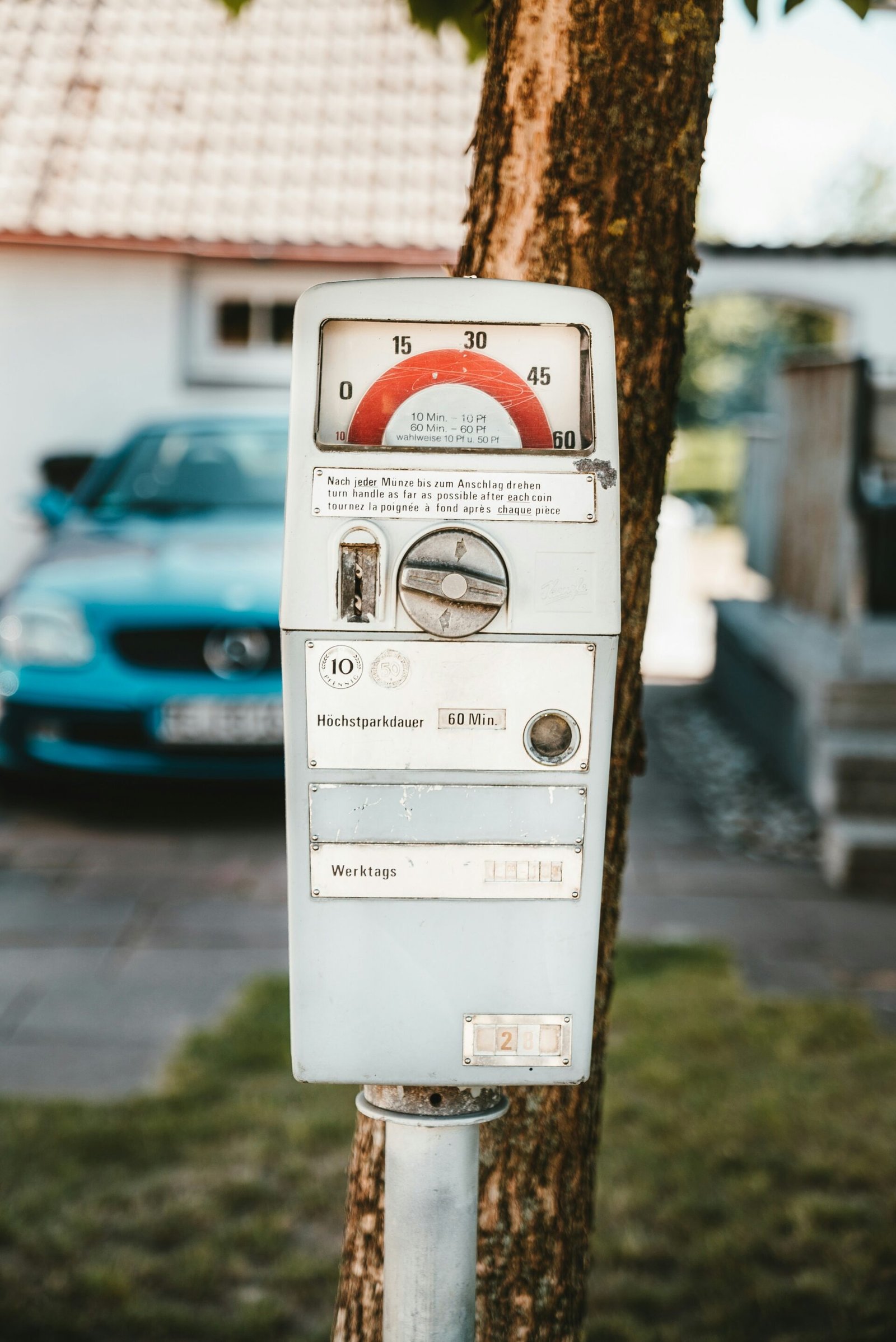
Introduction to the Controversy
The recent decision by the Labour Council to impose higher parking charges for petrol drivers has ignited significant debate within the community. This policy, aimed at addressing environmental concerns and promoting greener alternatives, reflects a broader trend among local governments to take actionable steps against climate change. As cities grapple with pollution and its associated public health risks, authorities increasingly feel compelled to shift towards sustainable practices, urging residents to adopt cleaner modes of transportation.
Historically, local governments have been tasked with implementing measures that support both their constituents’ needs and environmental goals. In this context, the Labour Council’s parking charges for petrol drivers can be seen as part of a growing initiative to discourage the use of fossil fuels and encourage investments in public transport and electric vehicle infrastructure. The rising alarm over the impacts of climate change—evident through extreme weather, rising sea levels, and more frequent natural disasters—has prompted immediate action, leading councils to confront the substantial emissions from petrol vehicles.
This policy shift comes at a time when public discourse about climate change is at an all-time high. The increased fees for petrol drivers have garnered criticism and support in equal measure, sparking discussions about fairness, equity, and the broader implications for transportation policy. Critics argue that such initiatives disproportionately impact lower-income drivers who may have limited access to alternative transportation options. On the other hand, proponents contend that the long-term environmental and health benefits justify the increased costs. As this debate unfolds, the implications for drivers, local businesses, and the community as a whole remain a central focus. By framing these issues within the larger context of climate ambition, the Council’s decision opens a pathway for crucial conversations about sustainable urban living.
The Rationale Behind the Policy
The Labour Council’s decision to implement higher parking charges for petrol drivers is rooted in a comprehensive strategy aimed at addressing pressing environmental concerns and promoting sustainable transport initiatives. One of the primary motivations behind this policy is the urgent need to reduce carbon emissions from vehicles that contribute significantly to climate change. By discouraging petrol-driven car usage through increased parking fees, the council aims to compel drivers to consider greener alternatives, including public transportation and electric vehicles.
Research indicates that transportation is one of the largest sources of greenhouse gas emissions. According to a recent study conducted by the Environmental Agency, reducing carbon emissions from vehicles is essential for meeting national environmental targets and improving air quality, particularly in urban areas. The council cites evidence linking high traffic volumes to elevated levels of nitrogen dioxide and particulate matter, which pose serious health risks to the local populace.
In addition to environmental considerations, the Labour Council seeks to encourage the adoption of electric vehicles (EVs). By creating a financial disincentive for petrol cars, the policy is designed to nudge drivers towards EV ownership, as the council plans to expand the infrastructure supporting electric vehicle charging. Data from the Office for Low Emission Vehicles suggests that incentivizing EV usage could lead to a significant reduction in emissions and almost immediate improvements in air quality within the community.
Moreover, the policy draws from successful case studies in other cities, where similar initiatives have led to healthier urban environments. For instance, research from cities like London and Oslo, which implemented congestion charges and parking fees on petrol vehicles, has demonstrated significant reductions in traffic congestion and improved local air quality. Such findings lend credence to the Labour Council’s rationale and demonstrate a commitment to fostering a cleaner, more sustainable future for local residents.
Public Reactions and Controversies
The proposal for implementing parking charges for petrol drivers has sparked considerable debate among local residents, petrol users, environmental activists, and political commentators. Public reactions vary widely, reflecting the contentious nature of the policy. Many petrol drivers express strong opposition, arguing that additional fees would constitute an unfair financial burden, especially in areas where public transport alternatives are limited. They contend that these charges target a specific group, thereby disproportionately affecting those who have no viable electric vehicle options.
Conversely, environmental activists have welcomed the proposed charges as a necessary step towards reducing carbon emissions and promoting greener transportation options. They argue that imposing costs on petrol vehicles is essential to encourage drivers to explore cleaner alternatives, such as public transit, carpooling, or electric vehicles. This segment of the public views the parking fees as a progressive policy aimed at mitigating climate change, aligning with broader environmental goals that prioritize sustainability.
The political landscape surrounding this issue has also intensified, with various commentators weighing in. Some politicians support the parking charge initiative as a means to allocate funds for public transportation improvements and environmental projects. However, others have condemned it as an overreach, suggesting it reflects a growing disconnect between governance and the realities faced by everyday drivers. The division in opinion has led to organized protests and campaigns against the council’s decision, with advocates on both sides publicly expressing their concerns through social media, town hall meetings, and local community forums.
Such differing perspectives highlight the complex interplay of economic interests, environmental responsibility, and social equity in shaping public policy around transportation. As discussions continue, it remains to be seen how the Labour Council will balance these competing viewpoints and address the resulting controversies.
Impact on Petrol Drivers
The recent decision by the Labour Council to increase parking charges for petrol drivers has stirred considerable debate among various stakeholders. The financial implications of this decision are significant, particularly for individuals who rely heavily on their vehicles for daily commuting and errands. With rising living costs, the added expense of increased parking fees could place an additional strain on the budgets of petrol drivers, potentially forcing them to reconsider their travel habits.
Financially, petrol drivers could face a dual burden as they manage both higher fuel prices and increased parking charges. This scenario may lead to a reduced disposable income, impacting their ability to engage in other essential activities and expenditures. Consequently, one anticipated behavioral change may involve drivers seeking alternative transport options, such as public transit, carpooling, or cycling, as a means to mitigate these financial pressures. The potential shift towards alternate modes of transport could also heighten the demand for improvements in public transportation infrastructure to accommodate these new commuters.
Furthermore, the discussion surrounding this policy initiative points towards a broader trend of discouraging petrol vehicle usage in favor of greener alternatives. While environmental concerns drive this shift, the immediate consequence for petrol drivers is an increased necessity to adapt to changing circumstances. Increased parking charges may compel some individuals to re-evaluate their driving patterns, particularly for short-distance trips that could be accomplished via alternative means.
For many, these changes may not only impact their commuting habits but could also influence overall lifestyle choices, as families prioritize budget-conscious decisions in these economically challenging times. Therefore, understanding the multifaceted impact on petrol drivers is crucial in gauge the effectiveness of the Labour Council’s parking charge strategy and its intended outcomes.
The Role of Local Government in Climate Action
The increasing urgency of climate change has prompted local governments across the globe to adopt a range of policy measures aimed at reducing carbon emissions and promoting sustainability. The recent decision by the Labour Council to implement parking charges for petrol drivers can be viewed as part of a larger effort to encourage environmentally friendly transportation options. The rationale behind such policies is grounded in the recognition that local governments play a vital role in shaping public behavior and facilitating a transition towards greener practices.
Local councils have traditionally focused on measures such as enhancing public transport infrastructure, developing cycling lanes, and promoting car-sharing initiatives. In many cases, the effectiveness of these initiatives hinges on public buy-in and the perceived benefits they offer. For instance, cities like London and Amsterdam have successfully implemented congestion charges and extensive cycling networks, resulting in notably improved air quality and reduced traffic congestion. These success stories provide a framework that local governments, including the Labour Council, can leverage as they seek to enact similar measures.
Furthermore, local governments are often in a unique position to assess and respond to their communities’ specific needs. They can tailor strategies that take into consideration local demographics, geography, and the socio-economic landscape. Effective communication and public engagement are essential in this process, ensuring that members of the community are informed about the rationale and expected outcomes of such policies. As local councils evaluate the success of their initiatives, they may need to adapt their strategies based on community feedback and environmental impact assessments.
By engaging in climate action, local governments can drive significant change, albeit often facing challenges such as public resistance and balancing budget constraints. The Labour Council’s parking charge initiative signifies a broader trend among local governments to make meaningful contributions to climate policy while navigating the complexities of community acceptance and social equity.
Case Studies: Similar Initiatives Elsewhere
Around the world, several cities have implemented policies aimed at reducing reliance on petrol vehicles, often focusing on parking charges as a deterrent. One notable example is London, where the introduction of the Ultra Low Emission Zone (ULEZ) has been pivotal in transforming travel behaviors. Charges are levied on vehicles not meeting emissions standards, encouraging drivers to opt for cleaner alternatives. Since its inception, the program has seen a significant reduction in air pollution levels and a corresponding increase in the use of public transport and cycling. This initiative underscores the efficacy of financial disincentives in promoting environmental goals.
Another compelling case is Oslo, Norway, which has implemented a city-wide ban on petrol vehicles in specific areas, coupled with a robust network of electric vehicle (EV) charging stations. The success of this initiative is evident as reports show a remarkable decrease in the number of petrol vehicles entering the city center. However, challenges arose regarding infrastructure for public transport and the initial pushback from commuters reliant on traditional petrol vehicles. Oslo’s experience highlights the necessity of a comprehensive approach that includes investment in alternative transport options to mitigate inconvenience for drivers.
Similarly, Barcelona has adopted a progressive strategy known as the “Superblock” initiative, which restricts traffic in designated areas to enhance pedestrian access and reduce emissions. This strategy has not only reduced the number of petrol vehicles in central areas but also improved community spaces. Yet, the city faced significant challenges concerning local business resistance and the need for improved public transport. These examples demonstrate that while the introduction of parking charges and restrictions on petrol vehicles can lead to positive environmental outcomes, the success of such policies often depends on thorough planning, stakeholder engagement, and investment in complementary transport solutions. The Labour Council may benefit from these lessons as it navigates its controversial parking charges policy.
Future of Transport Policy
The recent decision by the Labour Council to implement controversial parking charges for petrol drivers could herald significant shifts in the UK’s transport policy landscape. As environmental concerns continue to gain traction, there is an increasing momentum towards promoting sustainable and low-emission transportation options. This initiative may not only serve as a disincentive for petrol vehicles but could also accelerate the transition to electric vehicles (EVs), aligning with the government’s broader objectives aimed at achieving net-zero carbon emissions by 2050.
Emerging trends indicate a growing acceptance and adoption of electric vehicles among consumers. The UK’s investment in EV infrastructure, such as charging points and incentives for battery-powered cars, is essential in facilitating this shift. As additional urban areas consider similar parking charges for petrol vehicles, there is a strong possibility that such policies will become more widespread. The Labour Council’s approach, while polarizing, reflects an urgent call for action in addressing climate change and air quality concerns, urging citizens to rethink their transportation choices.
The implications for individual mobility are profound. While the new parking charges may impact petrol car owners negatively, they can encourage a move toward shared mobility, public transport, and active travel solutions like cycling and walking. This paradigm shift necessitates accompanying infrastructure developments that cater to these diverse transportation methods. Investments in cycling infrastructure, pedestrian pathways, and enhanced public transit options can support this transition, encouraging greater adoption of sustainable travel practices.
In essence, the Labour Council’s decision might serve as a precursor to a transformative period in transport policy, indicating a shift toward a more sustainable future. As stakeholders in the transport sector continue to respond to these changes, it will be crucial to monitor the effects on both urban mobility and environmental goals.
Economic Implications and Considerations
The proposed parking charges for petrol drivers initiated by the Labour Council raise significant economic concerns that warrant thorough examination. The decision is purportedly aimed at promoting environmental sustainability by discouraging petrol vehicle use. However, the implications for the local economy, particularly for families and small businesses, may be substantial and potentially detrimental.
In assessing the economic impact, it is essential to recognize that many families and small businesses rely on petrol vehicles for daily transportation and logistical operations. The added financial burden of increased parking charges could lead to reduced disposable income for families, limiting their spending power and, therefore, stifling local economic growth. Small businesses, particularly those in sectors heavily reliant on vehicular access, may experience a decline in customer footfall as potential patrons, deterred by elevated parking fees, choose alternative locations or modes of transport.
Moreover, the economic viability of such a policy hinges on the availability of effective alternatives to petrol vehicles. Without adequate infrastructure to support electric or public transport options, the parking charges may disproportionately affect those unable to transition to cleaner transportation modes. This creates a paradox where the intention of reducing carbon emissions clashes with the practical economic realities faced by constituents. The potential rise in transportation costs could result in competitive disadvantages for local businesses, making it difficult for them to thrive in an already challenging economic environment.
Hence, while the Labour Council’s policy reflects a necessary shift towards environmental considerations, it is equally crucial to balance these intentions with the economic realities that families and small businesses face. A thorough impact analysis and stakeholder engagement may prove beneficial in evaluating both the environmental benefits and economic sacrifices associated with the proposed parking charges.
Conclusion
In examining the Labour Council’s controversial parking charges for petrol drivers, it is evident that the discussion around this policy is multifaceted. The primary arguments center on the necessity of reducing carbon emissions and promoting sustainable transportation solutions. By imposing fees on petrol vehicles, the council aims to incentivize the transition toward electric vehicles and improve urban air quality. This initiative raises significant questions about environmental responsibility and the feasibility of such measures in a society heavily reliant on personal cars.
Moreover, it is crucial to acknowledge the potential impact of this policy on individuals who depend on petrol vehicles for their daily commutes. The balance between promoting environmental sustainability and respecting personal freedoms presents a challenge for policymakers. While it is paramount to enact regulations that foster a greener future, there must also be consideration for those who may not have immediate access to alternative means of transport, such as public transit or electric vehicles. This nuanced approach is essential to avoid alienating segments of the community.
Encouraging an open dialogue among stakeholders—including residents, local businesses, and transport experts—will be vital in shaping effective and equitable transportation policies. By actively engaging in discussions about the ramifications of parking charges for petrol drivers, communities can explore innovative solutions that address both environmental obligations and the needs of their citizens. Ultimately, the move toward sustainable transportation requires collaboration and understanding from all parties involved to ensure respectful and viable outcomes that consider the larger picture of urban mobility.
Equipping your vehicle with the right accessories enhances cabin comfort, safeguards against breakdowns, and can even save you money on insurance. From high-definition dash cams to portable tyre inflators, our UK-tested selection covers the essential upgrades every British motorist needs.
Our editorial team independently assesses motoring accessories based on real-world utility in UK driving and parking environments. Evaluation criteria include build quality under damp British weather conditions, ease of fitment across common UK boot sizes (hatchbacks, estates, and SUVs), anti-theft reliability in public car parks, and long-term value for money. We only recommend accessories that meet strict motorist security and convenience standards.
Whether you are navigating congested urban ring roads or setting off across the British countryside on an extended road trip, having the right accessories inside your vehicle transforms the entire driving experience. In the UK, motorists contend with rapidly shifting weather, pothole-riddled tarmac, and increasingly complex roadside safety demands. Modern car accessories do far more than merely dress up a cabin; they provide critical breakdown security, keep you connected legally under UK road regulations, and safeguard your pride and joy against opportunistic theft. Our testing team at Parking Management Network UK has trialled dozens of must-have products in real-world British motoring conditions to assemble this definitive top 10 guide.
Nextbase 622GW 4K Dash Cam
The Nextbase 622GW sits at the pinnacle of automotive recording technology, offering ultra-crisp 4K video capture at 30fps with digital image stabilisation. For UK drivers negotiating poorly lit rural lanes and wet motorway spray, its extreme weather mode and integrated polarising filter dramatically cut down windscreen reflections and glare. Built-in what3words emergency geolocating functions provide exact coordinates to UK emergency services if you are incapacitated, adding genuine life-saving utility. Voice controls through Alexa integration allow you to lock footage or control features without ever removing your hands from the steering wheel. Although positioned firmly in the premium price tier, the sheer visual clarity and potential insurance excess savings make it an indispensable cabin companion.
- Unrivalled 4K video resolution with digital image stabilisation
- Built-in what3words emergency service location integration
- Polarising filter effectively neutralises dashboard glare
- Seamless Alexa voice control for hands-free operation
- Requires high-end U3 micro-SD card sold separately
- Premium price bracket compared to entry-level alternatives
| Resolution | 4K at 30fps / 1440p at 60fps |
|---|---|
| Connectivity | Wi-Fi, Bluetooth 5.0, GPS |
| Screen Size | 3.0-inch HD IPS Touchscreen |
| Value Tier | Premium |
Ring RTC1000 Rapid Digital Tyre Inflator
Correct tyre pressures are paramount for fuel economy, MOT compliance, and safe handling on damp UK asphalt. Ring is an established British brand, and the RTC1000 is their standout portable compressor, capable of inflating an empty 13-inch tyre to 35 PSI in under two minutes. It plugs directly into your standard 12V auxiliary socket, featuring a generously long 3.5-metre cable and a 0.5-metre flexible air hose that easily reaches all four corners of estates and large SUVs. The oversized brass screw connector ensures an airtight seal, while the backlit digital display eliminates guesswork on dark winter mornings. An integrated white LED light illuminates roadside operations, and the auto-stop dial prevents over-inflation.
- Rapid inflation speeds (0 to 35 PSI in under two minutes)
- Accurate auto-stop feature prevents accidental over-inflation
- Long 3.5m power lead comfortably reaches large estate cars
- Bright LED directional light for nighttime roadside checks
- Slightly noisy during high-pressure operation
- 12V corded plug only; no rechargeable battery option
| Power Source | 12V DC Vehicle Socket |
|---|---|
| Max Pressure | 100 PSI |
| Cable Length | 3.5 metres |
| Value Tier | Mid-range |
NOCO Boost Plus GB40 1000A Jump Starter
A flat starter battery on a freezing UK winter morning is one of the most frustrating motoring setbacks. The NOCO Boost Plus GB40 completely bypasses the need to flag down another vehicle with traditional jump leads. Delivering 1,000 amps of peak starting power, this compact lithium unit comfortably fires up petrol engines up to 6.0 litres and diesels up to 3.0 litres in seconds. NOCO has built foolproof safety directly into the hardware, including spark-proof technology and reverse-polarity protection, preventing any electrical damage if terminals are accidentally mixed up. Furthermore, the unit doubles as a high-capacity power bank with USB-A ports to keep mobile phones charged during breakdown waits.
- Delivers up to 20 jump starts on a single charge
- Patented spark-proof and reverse polarity safety protection
- Ultra-compact footprint fits easily inside gloveboxes
- Functions as a portable emergency USB power bank
- Recharges via micro-USB rather than newer USB-C
- Storage pouch provided is fairly basic
| Peak Amperage | 1000A |
|---|---|
| Battery Chemistry | Lithium-ion |
| Engine Compatibility | Up to 6.0L Petrol, 3.0L Diesel |
| Value Tier | Mid-range to Premium |
Quad Lock Car Vent Mount
Strict UK phone-driving laws demand that navigation devices are held solidly in place without impeding the windscreen swept area. The Quad Lock Car Vent Mount delivers an unshakable mechanical locking mechanism, ensuring your smartphone remains stationary over speed bumps, potholes, and cobbled high streets. Utilizing Quad Lock’s patented dual-stage twist-lock system, attachment requires a swift one-handed quarter-turn. The mount features a clever hook mechanism that anchors behind the air vent louvre, eliminating the sag and looseness associated with standard spring clips. Available with an optional wireless MagSafe-compatible charging head, it keeps your phone topped up on GPS-heavy commutes.
- Rock-solid dual-stage locking mechanism eliminates wobble
- Clever vent hook anchor does not damage delicate louvres
- Supports portrait or landscape orientation effortlessly
- Modular ecosystem with optional wireless fast charging
- Requires a dedicated Quad Lock case or universal adapter
- Wireless charging head must be purchased separately
| Mounting Type | Air Vent Clamping Hook |
|---|---|
| Material | Glass-filled nylon and stainless steel |
| Compatibility | Quad Lock phone cases and universal adapters |
| Value Tier | Mid-range |
Drive Auto Products Car Boot Organiser
A cluttered boot is not only an eyesore; loose objects can quickly turn into hazardous projectiles during emergency braking. The Drive Auto Products boot organiser restores immediate order with reinforced base plates, rigid dividers, and non-slip rubberised base pads. Built from heavy-duty Oxford polyester, it resists tears, water spills, and muddy walking boots. The package includes tie-down straps with metal carabiners that hook securely into your car’s factory boot anchor points, ensuring the container does not slide sideways around roundabouts. When not in use, the entire organiser folds down flat into an easily stowed portfolio, making it an essential companion for shopping trips and weekend outings.
- Reinforced base and side panels prevent sag when loaded
- Carabiner tie-down straps anchor to factory luggage loops
- Collapsible design folds completely flat when empty
- Multiple exterior mesh pockets for detailing sprays and tools
- Can occupy significant space in smaller supermini boots
- Interior dividers use Velcro which can snag woollen items
| Material | Rugged Oxford Polyester |
|---|---|
| Dimensions (Expanded) | 58.4 x 43.2 x 27.9 cm |
| Weight | 1.8 kg |
| Value Tier | Budget-friendly |
Baseus A3 Handheld Cordless Car Vacuum
Maintaining clean vehicle upholstery amidst wet British weather and muddy country walks requires a vacuum with genuine suction power. The Baseus A3 cordless vacuum delivers a massive 15,000 Pa suction rating powered by an 80,000 RPM brushless motor, outperforming most unwieldy 12V corded alternatives. Crafted with a sleek, minimalist aluminium alloy shell, it fits neatly inside a door bin or cup holder. It comes equipped with a two-in-one crevice tool and dusting brush, perfect for dislodging grit trapped between seat bolsters and along carpet footwells. Dual power modes balance battery endurance and peak power, while USB-C fast charging makes it simple to recharge via your car’s dashboard ports.
- Impressive 15,000 Pa suction power pulls deep carpet grit
- Compact aluminium body fits directly in standard cup holders
- Convenient USB-C recharging compatible with in-car ports
- Washable dual HEPA and steel filtration system
- Small 70ml dust canister requires frequent emptying
- High power mode depletes battery in around 15 minutes
| Suction Power | 15,000 Pa / 80,000 RPM |
|---|---|
| Battery Life | Up to 50 minutes (Eco mode) |
| Charging Port | USB Type-C |
| Value Tier | Mid-range |
Defender Signal Blocker Faraday Pouch (Pair)
Keyless car theft via relay attacks remains a major headache for UK vehicle owners, with criminals intercepting fob signals from outside front doors. The Defender Signal Blocker is one of the few RFID pouches independently evaluated and awarded the UK Police ‘Secured by Design’ accreditation. Constructed using multi-layer specialist RPF fabric, it provides a 100% barrier against RFID, NFC, Bluetooth, and cellular frequencies when sealed. Testing confirmed complete signal blockage even when holding the protected key directly against the door handle. Sold in a cost-effective pack of two, it allows owners to protect both their main ignition fob and the household spare.
- Official Police Secured by Design accreditation
- Proven multi-layer shielding prevents relay frequency theft
- Supplied as a value twin pack for primary and spare keys
- Durable stitched edge piping resists daily pocket wear
- Velcro flap must be pressed firmly shut to ensure shielding
- Inner lining degrades after extensive multi-year abrasion
| Accreditation | Secured by Design & Sold Secure |
|---|---|
| Dimensions | 14 x 9.5 cm |
| Material | Multi-layer specialised RPF shielding |
| Value Tier | Budget-friendly |
Anker Roav SmartCharge F0 Bluetooth FM Transmitter
Older and budget cars lacking Bluetooth or Apple CarPlay integration can easily feel dated, but the Anker Roav SmartCharge F0 revitalises legacy audio systems instantly. Plugging straight into the 12V auxiliary socket, it pairs with your mobile via Bluetooth 4.2 and broadcasts music and hands-free calls onto an open FM frequency on your car radio. Anker’s noise-cancellation technology does a credible job of attenuating cabin road roar for caller clarity. Additionally, it doubles as a rapid charging station, offering two high-speed USB-A ports featuring Anker’s PowerIQ voltage balancing to protect mobile devices from overcharging.
- Cost-effective way to add wireless audio to older vehicles
- Dual PowerIQ USB ports provide rapid smartphone charging
- Integrated microphone features active background noise cancellation
- Compact footprint does not obstruct centre console switchgear
- Requires manual tuning to empty FM frequencies on long trips
- No dedicated 3.5mm AUX-out connection on this model
| Bluetooth Version | 4.2 with Boosted FM Transmission |
|---|---|
| Output | Dual USB-A (5V / 4.8A total) |
| Input Voltage | 12V – 24V |
| Value Tier | Budget-friendly |
AA Heavy Duty Winter Windscreen Frost Shield
Scraping ice from a frozen windscreen in sub-zero morning temperatures is both laborious and risks scratching delicate glass. Endorsed by the UK Automobile Association, this heavy-duty frost shield provides bumper-to-roof coverage for the forward glass and windscreen wipers. Fabricated from multi-layered thermal aluminium and padded cotton, it prevents ice sheets from forming on freezing nights while keeping wipers from tearing on iced glass. Robust side security flaps tuck securely inside the front doors, deterring opportunistic theft and keeping the sheet taut during gale-force British winter downpours. In summertime, the reflective foil side reverses to function as a cabin heat deflector.
- Completely eliminates morning windscreen scraping routines
- Extra-long coverage protects windscreen wiper blades from freezing
- Security door flaps prevent theft and flapping in high winds
- Reversible aluminium foil serves as a summer sun reflector
- Wet cover must be stowed in a boot liner when removed
- Universal fit leaves minor corner gaps on very wide MPVs
| Material | Aluminium composite foil with thermal cotton padding |
|---|---|
| Fixing Method | Internal door retention wings |
| Fit | Universal (fits most UK hatchbacks, saloons, and SUVs) |
| Value Tier | Budget-friendly |
Autel MaxiScan MS309 OBD2 Code Reader
A sudden amber engine warning light on the dashboard can induce immediate MOT anxiety and hefty garage diagnostic bills. The Autel MaxiScan MS309 empowers motorists to read and clear generic and manufacturer-specific diagnostic trouble codes (DTCs) in minutes. Plugged directly into the standardised 16-pin OBD2 port found beneath every UK car dashboard since 2001, it draws power straight from the vehicle with no batteries needed. The clear backlit LCD screen displays fault definitions directly, so you don’t have to look up obscure numerical codes on your phone. It also views freeze frame data and retrieves vehicle identification numbers (VIN), making it equally invaluable when inspecting second-hand cars.
- Reads and resets check engine lights, saving £50+ garage fees
- Displays plain English DTC definitions right on screen
- Checks I/M emission monitors for upcoming UK MOT tests
- Zero batteries required; runs directly off vehicle OBD port
- Limited to engine and emissions codes; cannot scan ABS/Airbag
- Monochrome display feels somewhat utilitarian
| Compatibility | All petrol cars (2001+) and diesel cars (2004+) |
|---|---|
| Display | Backlit 128 x 64 pixel LCD |
| Protocol Support | CAN, ISO9141, KWP2000, J1850 |
| Value Tier | Budget-friendly |
Comprehensive UK Buyer’s Guide
Navigating UK Motoring Laws and Legal Compliance
Before adding any accessory to your vehicle interior, it is crucial to consider UK road traffic legislation. Under Regulation 30 of the Road Vehicles (Construction and Use) Regulations 1986, drivers must maintain a clear view of the road ahead. Dash cams and mobile phone mounts placed within the swept area of your windscreen wipers that obscure more than 10mm directly in front of the driver (Zone A) can result in an immediate MOT failure or a police fixed penalty notice. Ensure cradles and cameras are positioned high behind the rear-view mirror or mounted low on air vents to remain on the right side of the law.
Power Consumption: Auxiliary 12V vs In-Car USB
Modern accessories have varied electrical demands. While small FM transmitters and phone mounts operate comfortably from 5V factory USB ports, heavy-duty gear such as tyre inflators and high-draw dash cams require a traditional 12V auxiliary cigarette lighter socket. Keep in mind that on many European and UK-spec vehicles (notably Ford and BMW models), the 12V socket remains live even after the ignition is switched off. If you leave power-hungry gadgets plugged in continuously, you run the risk of parasitic drain, leaving you stranded with a flat battery.
Seasonal Preparation for the British Climate
The UK climate brings rapid shifts from mild downpours to freezing sleet and sub-zero snaps. High-grade accessories should be manufactured from materials capable of withstanding extreme temperature cycling. Windscreen covers should feature thick thermal padding rather than thin, single-ply nylon that freezes onto glass. Furthermore, lithium-powered jump starters and portable air compressors should be regularly topped up, as battery capacity drops markedly during sustained December and January freezes.
Vehicle Security and Theft Prevention
As modern cars increasingly feature push-button start and keyless entry, relay crime has surged across residential UK areas. Investing in Secured by Design certified Faraday pouches has transitioned from a niche precaution into a daily necessity. Additionally, ensure high-value gadgets like 4K dash cams feature quick-release magnetic brackets so they can be unclipped and stowed inside the glovebox when parking in unlit public car parks, deterring opportunistic smash-and-grab thieves.
Frequently Asked Questions
Q: Are dash cams legal on UK roads and do they reduce insurance premiums?
Yes, dash cams are completely legal across the UK, provided they are positioned so they do not obstruct the driver’s forward view. Many major UK motor insurers (such as Adrian Flux, Swiftcover, and AXA) offer annual premium discounts of between 10% and 25% for drivers using approved dash cams, as footage provides indisputable evidence in contested liability claims.
Q: Can I leave a portable tyre inflator running on my car battery without the engine on?
It is strongly recommended to keep your vehicle engine running while operating high-draw 12V tyre compressors like the Ring RTC1000. Running the pump on battery power alone can quickly drain your vehicle’s 12V starter battery, especially if you are inflating multiple tyres or operating in cold ambient temperatures.
Q: How do Faraday pouches protect against modern car theft?
Modern keyless fobs continuously transmit faint low-frequency radio signals. Thieves use pairs of relay amplifiers near front doors to capture this signal and bounce it directly to the car on the driveway, unlocking and starting it in seconds. A genuine Faraday pouch uses a metallic mesh lining to create a Faraday cage, completely blocking these radio signals from leaking out.
Q: Will using an OBD2 code reader void my vehicle warranty or alter the ECU?
No. Standard OBD2 code readers like the Autel MS309 are ‘read-and-clear’ diagnostic tools. They communicate passively via the vehicle’s onboard computer to read standard fault trouble codes and reset dash warning lights. They cannot rewrite or alter engine management maps, making them completely safe for consumer use without voiding warranties.
Final Verdict: Which Should You Choose?
Upgrading your car with well-chosen accessories pays immediate dividends in safety, convenience, and daily peace of mind. For indisputable evidence on the road and protection against liability disputes, our top overall recommendation is the Nextbase 622GW Dash Cam, thanks to its peerless 4K picture clarity and emergency what3words integration. For breakdown security, the Ring RTC1000 Digital Tyre Inflator and NOCO Boost Plus GB40 form the ultimate duo, ensuring flat tyres and flat batteries never leave you stranded on a British hard shoulder. Meanwhile, inexpensive additions like the Defender Faraday Pouch safeguard your investment against modern relay theft, making these accessories essential additions for every UK driver.
Affiliate Disclosure: Parking Management Network UK is a participant in the Amazon Services LLC Associates Program. As an Amazon Associate, we earn from qualifying purchases at no extra cost to you. Product prices, ratings, and availability are subject to change on Amazon.co.uk.