

Introduction to Parking Regulations in Lithuania
Understanding parking regulations in Lithuania is crucial for both residents and visitors alike. As driving becomes an increasingly common mode of transportation, it is vital for individuals to navigate the unique aspects of parking according to the specific rules set out by local authorities. This guide aims to illuminate those regulations, emphasizing how they vary between urban and rural settings.
In urban areas, parking regulations are often more stringent than in less populated regions. Cities like Vilnius and Kaunas feature a complex network of parking zones, each with its own set of rules, times, and rates. Familiarity with these regulations is essential, as they regulate everything from designated parking areas to time-limited parking spaces. Neglecting to comply with these specific guidelines may result in fines or, in more severe cases, towing of the vehicle. Therefore, understanding how to park legally is not just a matter of convenience; it’s a matter of legal responsibility.
Rural parking regulations, while generally more relaxed, still require attention to local rules. Such regulations might be less visible, and signage may vary, making it even more important for drivers to stay informed. For example, avoiding parking in front of private properties or obstructing traffic can prevent misunderstandings and legal repercussions. Moreover, rural areas often rely on communal parking spaces, which may have their own regulations regarding usage and time limits.
The importance of adhering to parking regulations cannot be understated. They serve to maintain order and safety on the roads, ensuring that vehicles are parked appropriately without disrupting traffic flow. A clear understanding of these rules not only aids in avoiding potential fines or towing but also contributes to a more organized and safer driving environment for all road users. Thus, being informed about the local parking regulations in Lithuania is an essential aspect of responsible driving.
Types of Parking in Lithuania
In Lithuania, parking is organized into several distinct categories, each serving different needs based on location, duration, and accessibility. Understanding these types is essential for both residents and visitors who navigate the country’s urban and rural landscapes.
On-street parking is commonly found in urban areas and allows vehicles to be parked along designated streets. This type of parking typically operates under certain rules and designated time slots. Most cities utilize parking meters or pay-and-display systems, where drivers must pay for their parking via automated machines. Fees are often tiered based on the duration of parking, with hourly rates varying depending on location. Notably, major cities like Vilnius and Kaunas enforce strict regulations, and failure to comply may result in fines.
Off-street parking, on the other hand, provides alternatives such as parking garages or lots not directly adjacent to roadways. These facilities can accommodate larger numbers of vehicles and often employ advanced payment systems, including mobile apps. Off-street parking is particularly advantageous in busy city centers where on-street spaces may be limited.
Public parking lots are typically managed by municipal authorities and offer services to the general public. These lots are commonly available near major attractions, shopping centers, or transit hubs, allowing convenient access to key areas. Pricing structures can differ greatly based on local demand and proximity to significant destinations. Conversely, private parking spaces are reserved for individual property owners or businesses, often available for rent or purchase. While these spaces provide guaranteed parking, they may not always be accessible to the general public.
Rural areas of Lithuania present different parking dynamics. Here, open land and less dense development often lead to informal parking arrangements or free parking spaces without associated fees. However, even in rural regions, designated areas may still exist, particularly near popular tourist sites. Understanding the nuances of both urban and rural parking will facilitate smoother mobility throughout Lithuania, ensuring that visitors and locals alike can navigate the parking landscape with ease.
Parking Zones and Restrictions
Parking regulations in Lithuania are structured around designated parking zones, each serving distinct purposes based on the location’s nature and function. In major cities such as Vilnius, Kaunas, and Klaipeda, various parking zones can be identified, including commercial zones, residential zones, and areas frequented by tourists. Understanding these classifications is crucial for ensuring compliance with local parking laws.
Commercial zones are typically located in busy urban centers, where demand for parking is high due to business activities. Signs indicating these zones commonly specify hours of operation, with restrictions often in place to encourage turnover. For instance, parking may be limited to a few hours during peak business hours, necessitating the use of parking meters or ticket dispensers. These measures help manage space effectively, preventing long-term occupancy by individuals visiting nearby establishments.
Residential zones, on the other hand, are primarily designed to accommodate residents and their visitors. In these areas, parking permits may be required for vehicles belonging to residents, while non-residents might face stricter time restrictions to deter all-day parking. In cities like Vilnius, residents are often provided with stickers or permits that must be visibly displayed in their vehicles. The lack of permits can result in fines or towing, underscoring the importance of adhering to the guidelines set forth by local authorities.
Tourist areas present a unique challenge, as they attract a considerable number of visitors. Typically, parking is available, but durations may be limited to prevent congestion. In many instances, clear signage denotes the stipulations and time restrictions, allowing tourists to plan their visits accordingly. While most cities maintain uniform regulations, variations may arise, reflecting local governance and urban planning philosophies. Hence, it is imperative for individuals to familiarize themselves with the specific parking rules applicable to the city they are visiting or residing in.
Payment Methods for Parking
In Lithuania, parking regulations are accompanied by a variety of payment methods designed to accommodate both residents and visitors. These payment options include traditional cash payments, modern mobile applications, and the use of parking meters. Each method offers distinct advantages, ensuring flexibility for all drivers using public or private parking spaces.
Cash payments are one of the oldest methods of transacting for parking in Lithuania. Many parking zones still allow drivers to pay for their parking spot using cash. Usually, this involves finding a designated parking meter, which provides instructions for entering the vehicle’s license plate and the desired duration of parking. While cash payments are straightforward, they may not be the most convenient option, especially if you lack small denominations or if the parking meter is malfunctioning.
As technology advances, mobile applications have emerged as a popular alternative to cash payments. Various apps facilitate seamless parking transactions, allowing users to pay from their smartphones. These applications often provide features such as location-based services to find nearby parking zones, the ability to extend parking duration remotely, and reminders for expiration times. Popular apps like “ParkNow” and “ParkMan” have gained traction in urban areas, making them a favored choice among tech-savvy drivers.
Parking meters also play a significant role in the payment landscape. Many of these meters accept both cash and card transactions, making them versatile for different preferences. Additionally, some machines now enable contactless payments, offering an even more efficient method for drivers in a hurry. To avoid common pitfalls, such as excessive fees or fines, it is essential to familiarize oneself with the specific payment options and operational instructions of each method chosen for parking. This awareness can lead to a more pleasant parking experience while navigating Lithuania’s diverse urban settings.
Disabled Parking Regulations
Parking regulations for individuals with disabilities in Lithuania are designed to support accessibility and mobility for all citizens. The regulations establish eligibility criteria for obtaining disabled parking permits, which are essential for accessing designated parking spaces intended for people with disabilities. These permits are issued to individuals with various mobility impairments that significantly limit their ability to use general parking facilities.
To qualify for a disabled parking permit, applicants must provide documentation from a medical professional verifying their disability. This certification should outline the specific restrictions the individual faces regarding mobility. Once verified, applicants can submit their request to the appropriate local government office. The application process may vary between municipalities but generally involves filling out a form and presenting the necessary identification and medical documents.
Designated disabled parking spaces are typically located near building entrances and public transport stations, ensuring that individuals with disabilities can access essential services conveniently. These parking spaces are marked with international symbols indicating availability for disabled persons. Such signage not only signifies the purpose of the spaces but also conveys the importance of respecting these regulations to maintain accessibility for all in the community.
It is crucial for drivers to adhere to these parking regulations, as unauthorized use of disabled parking spaces can lead to significant penalties. These regulations ensure that those with mobility challenges have adequate access to parking facilities, thus promoting inclusivity within public areas. Violation of disabled parking laws may result in fines or towing, thereby emphasizing the importance of compliance to uphold accessibility standards throughout Lithuania.
Fines and Penalties for Violating Parking Regulations
In Lithuania, adherence to parking regulations is strictly enforced, and non-compliance can lead to significant fines and penalties. The amount of the fine generally depends on the severity of the violation. Minor infractions, such as parking in a prohibited area, may attract fines ranging from €20 to €40. More serious breaches, such as obstructing traffic or parking in spaces designated for persons with disabilities, can result in fines upwards of €50. In certain instances, fines may escalate, particularly for repeat offenders or egregious violations.
When a parking violation occurs, authorities typically issue a parking ticket that can either be placed on the vehicle or delivered to the registered owner by post. Vehicle owners have the right to appeal these tickets if they believe that the fine was unjustly imposed. The appeal process involves submitting a written objection to the relevant authority, often accompanied by sufficient evidence to support the claim. Appeals must usually be filed within a specified timeframe, which can vary depending on local regulations.
Repeated violations can have further consequences beyond increased fines. For example, habitual offenders may find their vehicles subject to towing at the owner’s expense. The towing process in Lithuania is generally initiated when a vehicle is deemed to be in violation of multiple parking regulations or is creating a significant obstruction. Once towed, the vehicle owner must navigate a specific procedure, which often involves paying towing and storage fees in addition to any outstanding penalties.
In conclusion, understanding the fines and penalties associated with parking violations in Lithuania is crucial for all drivers. By adhering to local regulations, one can avoid unnecessary expenses and maintain compliance with the law.
Local Parking Laws and How They Differ by Region
The parking regulations in Lithuania exhibit significant variation across different regions, reflecting the unique needs and administrative structures of each locale. In Vilnius, the capital city, parking laws are structured to accommodate a high volume of vehicles, with regulations strictly enforced in both residential and commercial areas. For example, parking meters are prevalent throughout the city center, operating from Monday to Saturday, with free parking allowed on Sundays and public holidays. Additionally, residents may apply for special permits that allow for discounted parking rates in designated zones.
Meanwhile, in Kaunas, Lithuania’s second-largest city, the local authorities have adopted a slightly different approach. Although parking meters also exist, there are designated residential parking areas where residents can park without additional charges during designated hours. This policy is aimed at balancing the needs of residents and visitors, ensuring that both groups have access to parking without undue penalization. Moreover, in neighborhoods with a high density of local businesses, time-restricted parking zones are implemented to encourage turnover and facilitate customer access.
The differences in parking regulations are also evident in smaller towns, such as Klaipėda and Šiauliai. In Klaipėda, for instance, there is a blend of short-term and long-term parking options, often accompanied by clear signage indicating specific regulations. Visitors can find free parking in certain areas during off-peak seasons, which supports local tourism. Conversely, Šiauliai implements more lenient regulations, allowing for lengthy parking durations without requiring payment in many neighborhoods. Such measures highlight the commitment of local governments to accommodate different community needs.
Overall, while parking policies in Lithuania share some common elements, local laws differ significantly by city and neighborhood. It is crucial for motorists to familiarize themselves with the specific regulations in their intended parking areas to avoid fines and ensure compliance with local standards.
Helpful Tips for Finding Parking in Lithuania
Navigating parking in Lithuania can be a daunting task, especially for those unfamiliar with the local regulations and urban layouts. To enhance your parking experience, it is essential to familiarize yourself with the available options and tools that can simplify the process.
First and foremost, consider utilizing parking apps that are popular in Lithuania, such as “Parking Lietuva” or “Parko,” which provide real-time information about available spaces. These applications not only guide users to vacant parking spots but also offer potential price comparisons and the ability to pay directly through your smartphone. Leveraging technology in this manner can save you time and reduce the frustration often associated with searching for parking.
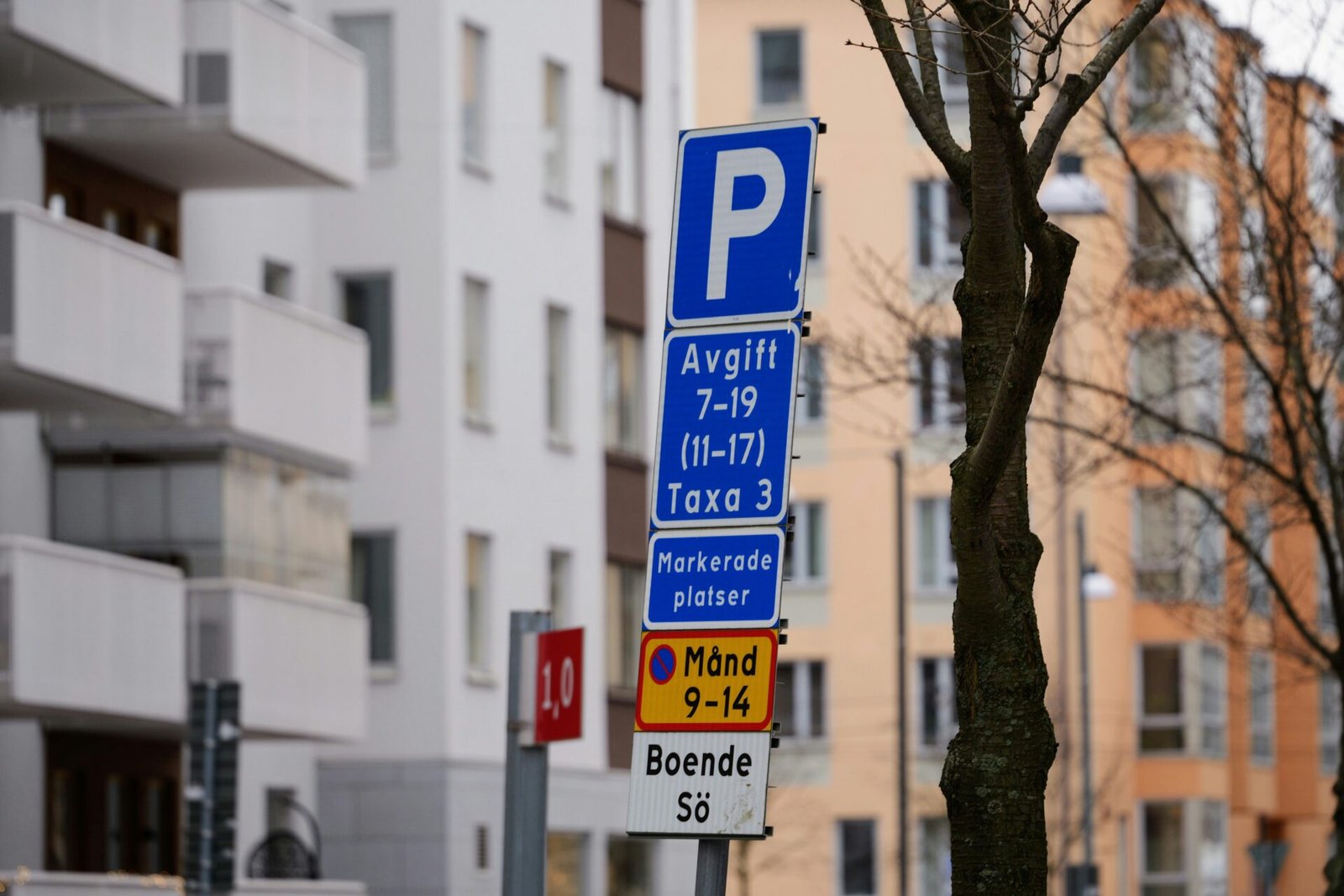
When exploring parking options in busy urban centers like Vilnius or Kaunas, it is prudent to plan ahead. Research the area you intend to visit and identify nearby parking facilities. These may include public garages or private lots that ensure a guaranteed space. Additionally, there are designated street parking zones, often marked clearly with signage indicating payment methods, time limits, and specific regulations. Be sure to familiarize yourself with these signs, as violation of parking rules may lead to fines.
For tourists, it is important to remain vigilant about local regulations. Each city may have its unique set of rules governing parking, including restrictions on certain streets or during specified hours. It can be beneficial to ask locals for advice or consult hotel staff regarding safe parking areas. Always opt for secured spaces, particularly if you have valuable belongings in your vehicle, as this will contribute to your peace of mind.
Ultimately, adopting a proactive approach, employing technology, and heeding local advice can significantly enhance your parking experience in Lithuania, helping you navigate the landscape with ease and confidence.
Conclusion and Final Thoughts
Parking regulations in Lithuania play a crucial role in maintaining order on the roads and ensuring that all users can navigate public spaces effectively. Throughout this guide, we have explored various aspects of these regulations, including the significance of adhering to local laws, understanding different parking zones, and familiarizing ourselves with available payment methods. Notably, the implementation of parking rules aims to enhance safety and accessibility for both vehicles and pedestrians.
One of the key takeaways from our discussion is the necessity for drivers to pay close attention to the signage and markings that delineate parking restrictions. Familiarity with areas designated for residential, commercial, or special-use parking can greatly mitigate the risk of receiving fines or experiencing towing. Moreover, the introduction of digital payment options has modernized the process, making it more convenient for motorists to comply with parking fees. Understanding these mechanisms benefits all road users, as it contributes to a more organized parking environment.
Additionally, the importance of staying informed about any changes to parking regulations cannot be overstated. Local authorities may adjust rules based on evolving urban needs or community feedback. By keeping up with these updates, drivers can avoid potential misinterpretations that could lead to penalties. Therefore, it is advisable to consult local government resources or community boards for the latest information regarding parking policies in Lithuania.
Ultimately, respecting parking regulations fosters an inclusive atmosphere on our roads. By adhering to the established rules and processes, we can contribute to a smoother experience for everyone. This attention to detail not only supports personal convenience but also helps cultivate a collective responsibility among all road users. Thus, as we navigate the streets of Lithuania, let us remain vigilant and considerate in our parking practices.
Equipping your vehicle with the right gear elevates daily driving comfort while safeguarding against unpredictable British weather and roadside breakdowns. From ultra-reliable dash cams to portable digital tyre inflators, our road-tested guide highlights the ten most essential motoring accessories available on Amazon UK.
Our editorial team independently assesses motoring accessories based on real-world utility in UK driving and parking environments. Evaluation criteria include build quality under damp British weather conditions, ease of fitment across common UK boot sizes (hatchbacks, estates, and SUVs), anti-theft reliability in public car parks, and long-term value for money. We only recommend accessories that meet strict motorist security and convenience standards.
Whether you are facing stop-start rush hour on the M25, navigating rain-soaked country lanes in the Peak District, or preparing for sub-zero winter morning commutes, having dependable car accessories can make all the difference. Beyond cosmetic upgrades, the right motoring kit delivers peace of mind, preserves your vehicle’s resale value, and protects your no-claims bonus. In this comprehensive review, the Parking Management Network UK road test team has evaluated dozens of interior and exterior accessories to curate the definitive top 10 products that deserve a permanent spot in your glovebox, cabin, or boot.
Nextbase 522GW Dash Cam
In an era of rising insurance premiums and disputed claims on UK roads, a dependable dash cam is no longer a luxury—it is an absolute necessity. The Nextbase 522GW remains our benchmark forward-facing camera, delivering crisp 1440p Quad HD footage at 30fps through a six-layer f1.3 lens. Crucially for British driving, it features an integrated polarising filter that virtually eliminates windscreen glare during bright low-sun autumn afternoons and wet reflections at night. The unit also includes Alexa voice integration for hands-free control, built-in GPS for speed and location logging, and an intelligent Emergency SOS feature that alerts emergency services to your location if you are incapacitated.
- Superb 1440p Quad HD video clarity in day and night conditions
- Built-in polarising filter dramatically cuts windscreen glare
- Emergency SOS response can alert UK emergency services
- Quick-release Click&Go PRO magnetic mount makes removal effortless
- Requires a high-end U3 micro-SD card (sold separately)
- Premium tier pricing compared to basic entry-level models
| Resolution | 1440p Quad HD @ 30fps / 1080p @ 60fps |
|---|---|
| Viewing Angle | 140 degrees |
| Connectivity | Wi-Fi, Bluetooth 4.2, GPS |
| Screen | 3-inch HD IPS Touch Screen |
| Power Supply | 12-24V car power cable with Click&Go PRO mount |
Ring RTC1000 Rapid Digital Tyre Inflator
Correct tyre pressure is vital for fuel economy, vehicle handling, and MOT compliance. Ring Automotive is a stalwart of the UK motoring scene, and their RTC1000 tyre inflator is easily one of the fastest and most intuitive models we have tested. Capable of inflating a standard 13-inch tyre from flat to 35 PSI in under two minutes, it saves you from queueing at petrol station air pumps in the freezing drizzle. The large backlit digital display features a rotating dial to set your target pressure, complete with an auto-stop function to prevent over-inflation. A bright integrated directional LED light makes night-time roadside tyre checks clean and fuss-free.
- Blisteringly quick inflation time under 2 minutes
- Accurate auto-stop digital dial prevents over-inflation
- Long 3.5m 12V cable easily reaches all four wheels on large estate cars and SUVs
- Generous accessories kit including gloves, spare valve caps, and adapters
- Can become rather noisy during heavy continuous operation
- Cord storage slot requires patient wrapping after use
| Inflation Time | Under 2 minutes (0 to 35 PSI on 13-inch tyre) |
|---|---|
| Pressure Range | Up to 100 PSI |
| Cable Length | 3.5 metres 12V DC cable |
| Display | Backlit digital gauge with dial preset |
| Weight | 1.3 kg |
NOCO Boost Plus GB40 1000A UltraSafe Jump Starter
Few motoring scenarios are as dispiriting as turning the ignition on a frosty winter morning only to hear a lifeless click. The NOCO Boost Plus GB40 removes the vulnerability of relying on another motorist with conventional jump leads. This compact lithium jump pack punches out 1,000 peak amps, effortlessly reviving flat 12V lead-acid batteries on petrol engines up to 6.0 litres and diesel engines up to 3.0 litres. Its patented UltraSafe technology ensures spark-proof operation and reverse polarity protection, meaning you cannot harm your vehicle’s sensitive ECU even if you connect the clamps to the wrong terminals. It also doubles as a high-output power bank for your mobile phone.
- Immense 1,000A starting power in a compact, glovebox-friendly format
- Foolproof spark-proof and reverse polarity safety protection
- Holds charge for up to 12 months in the boot
- Integrated 100-lumen emergency LED torch with SOS mode
- Included micro-USB charging cable feels dated compared to USB-C
- Protective hard storage case is sold separately
| Peak Current | 1,000 Amperes |
|---|---|
| Engine Compatibility | Petrol up to 6.0L, Diesel up to 3.0L |
| Battery Chemistry | Lithium-ion |
| Dimensions | 167 x 80 x 43 mm |
| Weight | 1.09 kg |
ESR HaloLock MagSafe Wireless Car Charger & Mount
With UK mobile phone driving laws carrying severe penalties—up to 6 penalty points and a £200 fine—a robust hands-free mount that remains firmly out of your line of sight is essential. The ESR HaloLock combines ultra-strong MagSafe-compatible magnets with fast 15W Qi wireless charging. During testing across uneven British B-roads and speed cushions, our smartphone remained immovably anchored to the air vent mount. The reinforced vent clip features an adjustable kickstand hook that distributes weight effectively, stopping your heater vent louvres from drooping downward. It allows swift one-handed 360-degree rotation between portrait and landscape navigation modes.
- Staggeringly strong 1,400g magnetic hold keeps phones secure over potholes
- Smart cooling vents enable consistent fast wireless charging without throttling
- Supportive triangular hook anchor prevents vent sag
- Clean, minimalistic aesthetic that looks factory-fitted
- Requires a MagSafe-compatible iPhone or magnetic ring case
- Requires a fast-charge 18W+ 12V USB adapter to achieve full speed
| Charging Output | 7.5W (iOS) / 15W (Android Qi max) |
|---|---|
| Mounting Type | Heavy-duty air vent hook clip |
| Compatibility | iPhone 12-16 series and MagSafe cases |
| Adjustability | 360-degree ball joint |
| Weight | 156 g |
Drive Auto Products Foldable Boot Organiser
A cluttered boot not only looks untidy, but loose items rolling around on corners can create distracting noises and potentially damage interior boot trim. The Drive Auto Products boot organiser is built like a tank, constructed from thick 600D Oxford polyester reinforced with solid base plates in every section. Unlike flimsier fabric caddies, its walls do not collapse when partially full. It features heavy-duty tie-down straps with metal clips that hook directly into your boot’s anchor rings, locking the caddy firmly against the rear seatback. When you need the full boot volume for luggage, it folds entirely flat in seconds.
- Rigid base plates and side walls retain shape under heavy loads
- Adjustable tie-down straps keep the organiser pinned to the boot floor
- Configurable internal sub-dividers and numerous exterior mesh pockets
- Water-resistant fabric wipes clean from muddy dog leads and wellies
- Takes up significant floor area in compact city hatchbacks
- Lacks an integrated zipped top lid
| Material | Reinforced 600D Oxford Polyester |
|---|---|
| Dimensions (Open) | 58.4 x 43.2 x 27.9 cm |
| Dimensions (Folded) | Folding accordion design flat down to 5 cm |
| Colour | Black |
| Weight | 2.1 kg |
ThisWorx Portable Handheld Car Vacuum Cleaner
Between muddy sports kit, takeaway crumbs, and family road trips, vehicle cabins collect grime rapidly. The ThisWorx handheld vacuum cleaner plugs straight into your car’s 12V auxiliary power socket, ensuring you never run out of battery midway through a deep clean. Its 106W motor and cyclonic metal turbine produce surprisingly vigorous suction for such a lightweight unit, easily lifting pine needles, dried mud, and biscuit crumbs from floor carpets and seat crevices. The included flexible extension hose and flathead crevice tool make reaching beneath front seat rails painless, while the washable HEPA filter traps fine dust effectively.
- Unlimited runtime via steady 12V auxiliary power connection
- Generous 4.9m power cord reaches rear boot corners of large estate cars
- Comprehensive accessory pack including crevice tool, brush, and hose
- Includes spare washable HEPA filter and zipped storage bag
- 12V corded design means it cannot be used inside the home
- Dust canister capacity is relatively modest at 0.5 litres
| Motor Power | 106W / 8.8 Amps |
|---|---|
| Power Source | 12V DC cigarette lighter socket |
| Cord Length | 4.9 metres (16 feet) |
| Filtration | Washable HEPA filter |
| Weight | 1.08 kg |
AA Heavy-Duty Winter Windscreen Frost & Snow Cover
Scraping ice in freezing gale-force wind is universally disliked by British motorists, and applying hot water risks disastrous windscreen cracks. The official AA Heavy-Duty Windscreen Frost Cover provides a simple, bulletproof preventative measure. Made from an ultra-tough, multi-layered waterproof fabric with an aluminium thermal foil backing, it acts as an impenetrable barrier against frost, ice, and driving snow. Securing it takes thirty seconds: wide side flaps are trapped firmly inside the front door seals—which also deters opportunist thieves—while elasticated loops hook tightly around your side mirrors to stop wind from peeling it away.
- Completely eliminates morning ice scraping and chemical de-icer sprays
- Security flaps clamp inside doors to prevent theft and wind lift
- Durable multi-layer aluminium foil structure resists tearing and freezing to glass
- Can also be used in height of summer to repel heat and protect interior dashboard
- Must be dried off before stowing inside the boot
- May require precise alignment on vehicles with unusually large windscreen rakes
| Material | Multi-layer thermal aluminium foil and PE composite |
|---|---|
| Dimensions | 157 x 126 cm (Universal fit for most cars and crossovers) |
| Attachment Method | Door-clamping security wings with side mirror loops |
| Season | All-season (Winter frost / Summer sun reflector) |
| Weight | 450 g |
Anker 52.5W High-Speed Dual Car Charger (PowerDrive 323)
Modern drivers rely heavily on smartphones for satellite navigation, music streaming, and speed camera alerts, making rapid in-car charging crucial. Built-in USB ports in many vehicles provide sluggish 5W outputs that barely keep the battery level stable under load. Anker’s 323 PowerDrive solves this completely by fitting almost flush into any standard 12V/24V socket while delivering up to 30W from its USB-C Power Delivery port and 22.5W from its USB-A PowerIQ port simultaneously. It can rapid-charge an iPhone or Samsung Galaxy to 50% in under 30 minutes, keeping both driver and passenger fully powered on long motorway hauls.
- Potent combined 52.5W output charges two devices rapidly without throttling
- USB-C Power Delivery easily fast-charges modern smartphones, tablets, and sat-navs
- Ultra-compact metal and polycarbonate casing fits flush without intruding on centre console controls
- MultiProtect safety system prevents overheating, overcharging, and short-circuits
- Charging cables are not included in the package
- Subtle LED ring light cannot be manually switched off
| Total Output | 52.5W Max |
|---|---|
| Ports | 1x USB-C (30W PD), 1x USB-A (22.5W PowerIQ) |
| Input | 12V-24V DC |
| Protection | ActiveShield temperature control and surge suppression |
| Dimensions | 36 x 36 x 75 mm |
Everlasting Comfort Ergonomic Memory Foam Seat Cushion
Long-distance driving down monotonous motorways or prolonged tailbacks often leads to lower back stiffness and tailbone soreness. The Everlasting Comfort memory foam cushion uses 100% pure, heat-responsive memory foam that contours precisely around your anatomy. Its clever ergonomic U-shaped cut-out suspends your coccyx above the firm seat base, effectively relieving spinal pressure and encouraging upright pelvic posture. A textured non-slip rubber bottom keeps the cushion firmly planted on leather or fabric upholstery when getting in and out, while the breathable, machine-washable mesh cover prevents uncomfortable heat build-up during warmer journeys.
- High-density pure memory foam maintains elasticity over thousands of miles
- Coccyx cut-out alleviates lower back, sciatic, and tailbone pain
- Non-slip rubberised bottom stops sliding on smooth leather car seats
- Breathable, removable outer cover is fully machine washable
- Raises driving seat height by approximately 3 inches; may reduce headroom for tall drivers
- Memory foam stiffens slightly in freezing sub-zero winter temperatures before warming up
| Core Material | 100% High-Density Memory Foam |
|---|---|
| Cover Material | Breathable 3D Mesh (Removable and Washable) |
| Dimensions | 44 x 35.5 x 7.1 cm |
| Bottom Finish | Non-slip micro-dot rubber |
| Weight | 890 g |
resqme The Original Keychain Emergency Car Escape Tool
Proudly designed and manufactured to strict safety standards, the resqme keychain tool is a vital piece of personal safety equipment that every driver should have within arm’s reach. In the terrifying event of an accident involving submersion in water or a rolled vehicle where doors and seatbelts jam, this palm-sized gadget provides an instant escape route. It incorporates a razor-sharp, guarded stainless steel blade to slice cleanly through jammed seatbelt webbing, alongside a heavy-duty spring-loaded tungsten carbide point. Pressing the cylindrical head firmly against the corner of a tempered side window unleashes an automatic impact that shatters the glass instantly with minimal hand strength.
- Spring-loaded mechanism shatters tempered car side windows with ease
- Protected razor blade cuts through jammed seatbelts swiftly without risking finger cuts
- Ultra-compact keyring design clips directly to your car key or clips over the sun visor
- Proven, certified life-saving equipment trusted by emergency first responders worldwide
- Does not shatter laminated glass (used on car front windscreens)
- Requires conscious placement within immediate reach of the driver to be useful
| Mechanism | Spring-loaded tungsten carbide center punch (approx. 5 kg force) |
|---|---|
| Blade | Heavy-duty shielded stainless steel seatbelt cutter |
| Dimensions | 7.6 x 3.8 x 1.5 cm |
| Weight | 34 g |
| Country of Origin | USA |
Comprehensive UK Buyer’s Guide
Essential Safety & Breakdown Preparedness
UK roads can be punishing, particularly during the damp, cold months between November and March. Before purchasing luxury aesthetic upgrades, prioritise products that safeguard you in a breakdown or emergency. A portable lithium jump starter (such as the NOCO GB40) and an accurate 12V digital tyre inflator should be treated as non-negotiable boot equipment. Pothole damage on British roads has reached historic highs, and being able to quickly inspect, top up, or limp away on a slowly deflating tyre saves expensive recovery call-out fees and keeps you off hazardous motorway hard shoulders.
UK Highway Code and Legal Considerations
When outfitting your car cabin with smartphone holders and dash cams, you must comply with UK legislation. Under the Highway Code and Road Vehicles (Construction and Use) Regulations, auxiliary devices must not intrude into ‘Zone A’ of your windscreen—a 290mm-wide band centred on the steering wheel within the sweep of the windscreen wipers. Furthermore, the strict laws regarding mobile phone usage mean your phone must be securely cradled in a purpose-built mount if used as a satellite navigation device, and touching or handling the screen while the engine is running—even when stationary at red traffic lights—carries an immediate £200 fine and six penalty points.
In-Car Power Management: 12V Sockets vs Modern USB Ports
Many modern cars feature factory-fitted USB ports, but these are frequently low-amperage data connections (typically 2.5W to 5W) engineered primarily for Apple CarPlay or Android Auto sync. If you run multiple demanding devices like sat-nav apps, high-frame-rate dash cams, and tablet entertainment screens for rear passengers, standard factory sockets cannot supply sufficient wattage. Investing in a dedicated high-output 12V auxiliary cigarette-lighter adapter with USB Power Delivery (PD) ensures rapid, battery-friendly charging without overheating your phone or causing sudden power drop-outs.
Boot and Cabin Organisation: Safety in a Collision
Unsecured cargo inside a car cabin transforms into hazardous projectiles in the event of hard braking or an emergency stop. Heavy items like tyre inflators, tools, and de-icer spray cans should never roll loosely on the rear parcel shelf or across the boot floor. A heavy-duty, partitioned boot organiser equipped with floor tie-downs or anchor straps keeps your emergency fluids, first aid supplies, and jumper cables compartmentalised and secured firmly against the chassis, reducing interior rattle while maximizing passenger safety.
Frequently Asked Questions
Q: Are dash cams legal in the UK, and will they reduce my car insurance?
Yes, dash cams are 100% legal in the UK, provided they are fitted outside the driver’s primary line of sight and do not obstruct your view of the road. Many leading UK motor insurers (such as AXA, Admiral, and Adrian Flux) actively encourage their use and often offer discounts between 5% and 15% on your annual premium if a recognized dash cam is permanently installed, as footage provides indisputable evidence in contested liability claims.
Q: Where should I position a phone mount to avoid failing an MOT?
According to DVSA MOT inspection guidelines, any windscreen-mounted accessory that encroaches more than 40mm into the swept area of the windscreen wipers (or more than 10mm in Zone A directly in front of the driver) can result in a minor or major MOT failure. To ensure compliance, mount your phone securely to the dashboard air vents or position suction mounts in the bottom-right corner of the windscreen where peripheral vision remains completely unobstructed.
Q: How often should I check my vehicle's tyre pressures?
You should check your car’s tyre pressures at least once a month and always before embarking on long motorway journeys. Fluctuations in UK ambient temperatures cause tyre pressures to drop noticeably in winter (roughly 1 PSI for every 5-6°C drop). Checking your pressures cold using an accurate digital inflator like the Ring RTC1000 ensures maximum fuel efficiency, even tread wear, and safe wet-braking performance.
Q: Will leaving an accessory plugged into my 12V socket flatten my car's battery?
It depends on your vehicle’s wiring design. In most modern European and Japanese cars (including Volkswagen, Ford, BMW, and Toyota), the 12V cigarette lighter socket automatically cuts power several minutes after the ignition is switched off. However, in certain makes and older vehicles, the 12V socket remains live permanently. If your socket maintains continuous live power, unplug your accessories or chargers when parked for extended periods to prevent phantom battery drain.
Final Verdict: Which Should You Choose?
Upgrading your vehicle with functional, well-engineered accessories drastically improves your daily driving experience, security, and roadside resilience. For universal everyday safety and peace of mind, the Nextbase 522GW Dash Cam is our top overall recommendation—protecting you against fraudulent crash-for-cash claims while capturing pristine road footage. Complementing it with the Ring RTC1000 Rapid Tyre Inflator and the NOCO Boost Plus GB40 Jump Starter will assemble an unstoppable roadside emergency trio that ensures you never find yourself stranded in the cold by flat tyres or dead batteries.
Affiliate Disclosure: Parking Management Network UK is a participant in the Amazon Services LLC Associates Program. As an Amazon Associate, we earn from qualifying purchases at no extra cost to you. Product prices, ratings, and availability are subject to change on Amazon.co.uk.
Check out more articles
The Importance of Checking Signages in Carparks for Parking Regulations

A Complete Guide to Parking Regulations in Albania
A Complete Guide to Parking Regulations in Vatican City
A Complete Guide to Parking Regulations in Switzerland
A Complete Guide to Parking Regulations in Poland