

Introduction to Parking Regulations in Bulgaria
Parking regulations in Bulgaria play a crucial role in ensuring the smooth operation of urban and rural transport systems alike. For residents, visitors, and commuters, familiarity with these rules is essential to avoid fines and facilitate orderly traffic flow. The unique aspects of parking laws across different Bulgarian municipalities can often create confusion among drivers, particularly those unfamiliar with local regulations.
As Bulgaria experiences increased investments in infrastructure and tourism, the demand for clear and accessible parking regulations has never been more salient. This necessity extends to educational resources that inform both locals and tourists about permitted parking areas, time limits, and specific signage that indicates where parking is legally allowed. Unfortunately, many drivers face challenges due to a lack of comprehensive information, leading to unintentional violations of parking regulations.
The complexity of parking laws can vary significantly from one city to another. In larger cities like Sofia, Varna, and Plovdiv, parking spaces are at a premium, often resulting in stricter enforcement of regulations. On the other hand, smaller towns may exhibit a more relaxed approach, yet they still uphold essential rules to maintain order. Regardless of location, it is vital for all drivers to abide by local parking rules, which not only helps avoid fines but also contributes to overall road safety and harmony.
Understanding parking regulations in Bulgaria is essential for every driver navigating the roads. The knowledge of what to expect in terms of designated parking zones, operational hours, and payment methods can significantly enhance the experience for all road users. This guide aims to provide a comprehensive overview of the various parking rules, assisting drivers in making informed parking decisions while traversing the diverse landscapes of Bulgaria.
Types of Parking in Bulgaria
In Bulgaria, the parking landscape is diverse, encompassing various options tailored to meet the needs of both residents and visitors. The main categories of parking available include on-street parking, off-street parking, public garages, and private parking spaces. Each type presents distinct regulations, pricing structures, and levels of accessibility.
On-street parking is the most prevalent form, allowing vehicles to be parked directly along the street. Regulations may vary by city, with some areas charging fees during specific hours. Payment can usually be made through parking meters or via mobile applications. The advantages of on-street parking include immediate access to shops and businesses. However, limitations include the potential for limited spaces and the absence of security.
Off-street parking encompasses lots and designated areas away from the main roads, catering primarily to commuters and larger facilities such as shopping centers or offices. These spaces are often subject to a set fee structure that can vary depending on location and time. Off-street parking generally provides a more secure environment, reducing the risk of vandalism. Nevertheless, the potential downside is the distance one may have to walk to reach their final destination.
Public garages serve as another option, offering multi-level structures specifically designed for parking vehicles. They typically implement higher regulations, featuring thorough accessibility requirements and security measures such as surveillance cameras. While slightly more expensive than off-street parking, public garages provide the advantage of ample spaces even during peak hours. On the contrary, their location might not always align with individual needs.
Lastly, private parking spaces are provided by individuals or businesses that rent out their areas for a fee. This type of parking offers unique flexibility and can sometimes be more convenient, especially in residential areas. However, the inconsistency in availability and the need for advance arrangements might pose challenges for some users.
Parking Zones and Their Significance
In Bulgaria, parking regulations are intricately tied to a zoning system that categorizes various areas into designated parking zones. These zones play a crucial role in managing automobile traffic and optimizing parking space, particularly in urban environments where demand often outstrips availability. Three primary types of parking zones exist: blue zones, green zones, and restricted areas.
Blue zones are generally established in city centers and areas with high traffic volumes. They allow for paid parking, typically capped at a specific time duration to promote turnover and accessibility. The fees associated with parking in blue zones usually vary based on the time of day or the day of the week, reflecting the demand for parking in these regions. Automobiles parked beyond the allocated time are subject to penalties, underscoring the importance of adhering to the regulations in place.
Green zones, on the other hand, are primarily designated for residents and typically offer more extended parking duration compared to blue zones. These areas may require a residential parking permit, which residents must obtain to utilize the facilities effectively. In addition, parking fees in green zones are usually lower, further incentivizing local residents to utilize them while discouraging non-residents from parking in these neighborhoods for extended periods.
Restricted areas are designated zones where parking is either entirely prohibited or heavily regulated. These can include crucial public spaces, emergency access routes, or zones around schools and hospitals to ensure safety and functionality. In such regions, parking violations can result in significant fines, and vehicles may be towed if they impede traffic flow or violate the restrictions imposed.
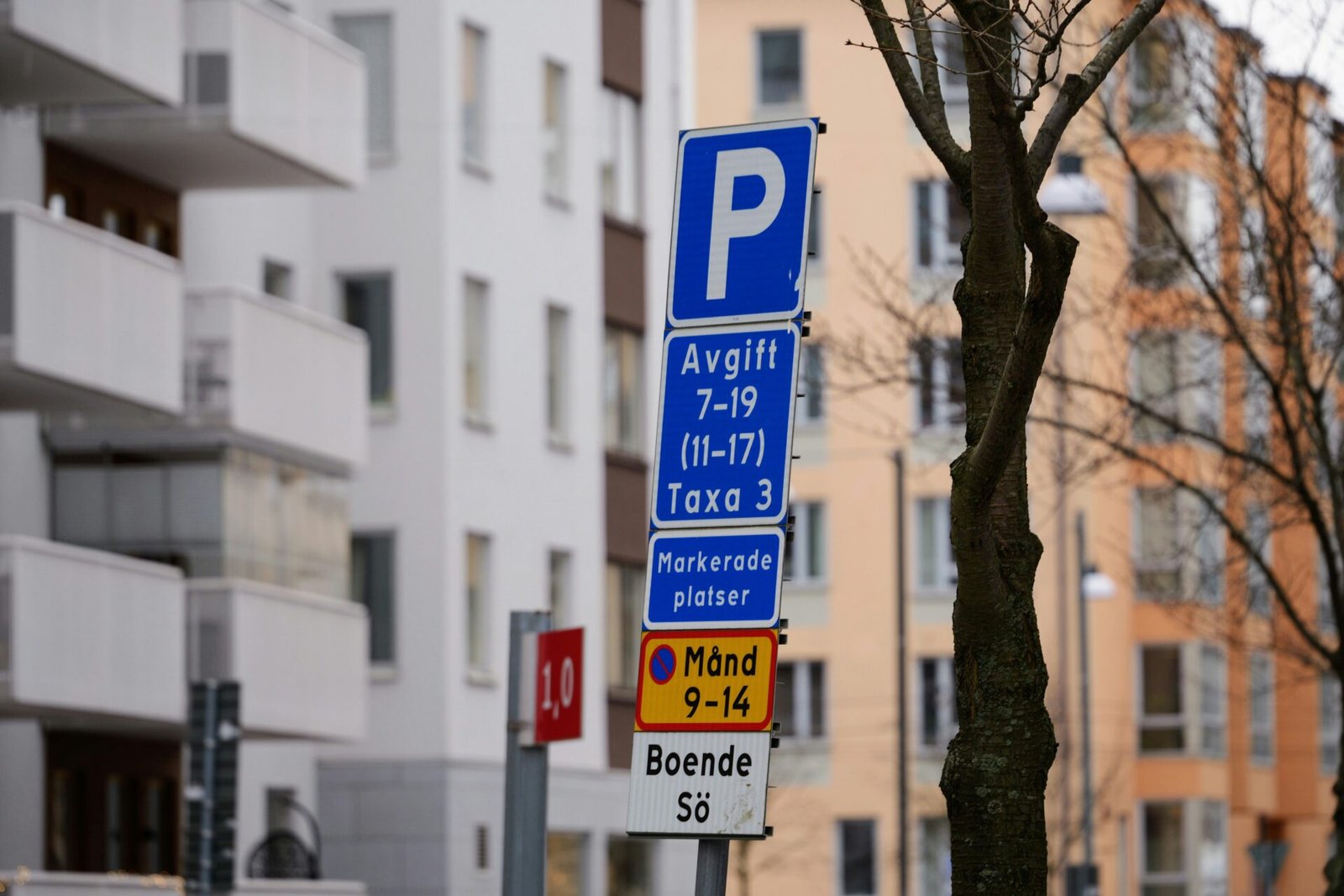
Understanding how to read parking signs is paramount for drivers navigating these zones. Signs typically provide vital information regarding the type of zone, parking duration limits, and applicable fees. Familiarizing oneself with these regulations can help avoid penalties and ensure compliance with local parking laws.
Payment Systems for Parking Fees
In Bulgaria, parking fees can be settled through a variety of payment systems, ensuring convenience for drivers across the nation. Traditional payment methods, such as parking meters and ticket machines, remain prevalent in many cities. These machines are often located in designated parking zones and allow users to pay for parking by cash or card. It is essential for motorists to familiarize themselves with the specific payment procedures for each machine, as these can vary by location.
In addition to traditional options, the evolution of technology has introduced digital payment systems, making it easier for users to manage their parking fees. Various mobile applications and online platforms allow motorists to pay for parking with a few taps on their smartphones. These digital solutions not only provide a more user-friendly experience but also offer functionalities like extending parking sessions remotely and receiving notifications about expiration times, enhancing overall convenience.
Regardless of the payment method chosen, it is crucial for drivers to retain proof of payment, such as digital receipts or parking tickets. This documentation is vital in case of disputes or inspections by enforcement authorities. Failure to comply with parking regulations, including paying fees on time and displaying proof of payment, can lead to significant penalties, including fines or even towing. In urban areas where parking enforcement is strict, being aware of regulations and maintaining proper documentation can save drivers from unnecessary complications.
Overall, parking fee payment systems in Bulgaria cater to both traditional and modern preferences, ensuring that all drivers have the means to comply with parking regulations effectively.
Parking Violations and Consequences
Parking regulations in Bulgaria are designed to maintain order and ensure the efficient use of limited parking spaces. However, violations are common, and it is crucial for drivers to understand the types of infractions that can occur. Common parking violations include illegal parking, where a vehicle is left in a space not designated for parking, and expired tickets, which result from failing to renew a parking ticket before it expires. Additionally, parking in restricted zones, such as areas reserved for emergency vehicles or designated handicapped spaces without a permit, is considered a violation.
The penalties associated with these parking violations can vary significantly. In most cases, fines are issued, which can range from a moderate amount for a minor infraction to a substantial sum for more serious breaches. For instance, parking in a no-parking zone may incur a heavier penalty than simply having an expired parking ticket. In cases where vehicles are parked in highly restricted areas, authorities may opt to tow the vehicle, leading to additional costs for retrieval and fines levied against the owner. It is essential to be aware that towing is typically accompanied by a significant charge that includes not only the tow fee but also storage costs for the vehicle.
Furthermore, repeated violations can lead to administrative measures, such as points being added to a driver’s record or, in some instances, a temporary suspension of driving privileges. Understanding and respecting local parking regulations is crucial for residents and visitors alike. Familiarizing oneself with the parking rules specific to each area can help in avoiding unintentional violations. Failure to adhere to these regulations can result not only in financial penalties but also in added inconvenience, such as the inability to retrieve a vehicle promptly. Thus, it is advisable to stay informed and practice responsible parking habits while navigating public roads in Bulgaria.
Accessibility Considerations for Disabled Drivers
In Bulgaria, parking regulations have been established to ensure that drivers with disabilities can access the facilities they need. These regulations include specific rights and privileges intended to facilitate convenient parking for individuals qualifying as disabled. One of the most significant aspects of these regulations is the provision of designated parking spaces that are reserved exclusively for disabled drivers. These spaces are typically located in close proximity to building entrances, making access easier for individuals with mobility challenges.
To utilize these designated disabled parking spots legally, drivers must display a valid disabled parking permit. This permit is issued by local authorities and requires specific documentation proving the individual’s disability status. Typically, applicants must provide medical documentation and identification that verifies their eligibility. It is important for drivers to ensure that their permits are up to date and clearly visible; failure to do so may result in fines or the towing of their vehicle.
Disability parking regulations in Bulgaria stipulate that these designated spaces must not be used by individuals who do not possess the appropriate permits. Additionally, it is crucial for disabled drivers to abide by all general parking regulations, such as adhering to time limits in any paid parking zones. While utilizing these designated areas, it is also advisable to park only within the marked boundaries to ensure the availability of spaces for those who also require them.
Furthermore, drivers with disabilities should remain vigilant regarding any changes in local regulations, as these can differ by municipality. Understanding one’s rights and responsibilities not only promotes compliance with the law but also enhances accessibility for all individuals requiring special parking accommodations. By following these guidelines, disabled drivers can navigate parking in Bulgaria confidently and efficiently.
Local Variations in Parking Rules
Parking regulations in Bulgaria demonstrate considerable variation across its numerous cities and municipalities. This diversity is influenced by several factors, including local governmental policies, urban planning considerations, and the specific needs of local populations. As a result, what may be a standard practice in one region could be entirely different in another, necessitating a thorough understanding for both residents and visitors.
Local governments establish parking rules that aim to address the unique transport challenges present in their area. For instance, larger cities such as Sofia and Plovdiv face significant congestion issues, prompting authorities to implement stricter parking regulations, such as limited parking zones and higher fees. In contrast, smaller towns may have more lenient parking rules, allowing for greater flexibility and ease of access for residents and visitors alike. This is particularly important for sustaining local commerce, wherein shops and services rely on accessible parking for customers.
Urban planning plays a pivotal role in shaping parking regulations as well. Areas with comprehensive public transportation networks may discourage excessive reliance on private vehicles, thus leading to the establishment of more stringent parking provisions. Conversely, regions lacking in public transport options may adopt more forgiving policies to accommodate car-dependent populations. Moreover, seasonal fluctuations in tourism can also affect local parking rules. Tourist-heavy cities might introduce temporary regulations during peak seasons to manage increased demand.
Understanding the local parking regulations is imperative for anyone planning to drive in Bulgaria. To ensure compliance, individuals should conduct specific research on the parking rules in the city or municipality they intend to visit or reside in. Online resources, local government websites, and community boards can provide indispensable information regarding parking zones, fees, and any time restrictions that may apply. This approach not only aids in adhering to local laws but can also enhance the overall experience of navigating through Bulgarian cities.
Tips for Navigating Parking in Bulgaria
Parking in Bulgaria can be a challenging experience for both residents and visitors, but with the right knowledge, it can be manageable. First and foremost, understanding and correctly reading parking signs is crucial. These signs often contain vital information regarding parking regulations, including time limits and payment requirements. It is common to see signs that indicate whether parking is free on weekends or public holidays, so be sure to take note of these details to avoid penalties.
When looking for suitable parking spots, it is advisable to consider options such as public parking lots or off-street garages, particularly in city centers. These locations can provide safe and secure parking, reducing the anxiety of finding street parking. Additionally, some urban areas may have designated parking zones that cater to different needs, be it short-term or long-term parking. Familiarizing yourself with these zones can result in a more efficient parking experience.
To further facilitate your parking endeavors, utilizing mobile applications can be beneficial. Several apps are available that provide real-time information on parking availability, prices, and regulations specific to each area. These tools can significantly streamline the process, allowing you to reserve a spot ahead of time in busy locations. Furthermore, many Bulgarian cities feature electronic payment systems, so having the relevant apps downloaded can save both time and hassle.
Lastly, be mindful of common pitfalls such as parking in unauthorized spaces or overlooking time limits, which could result in fines or your vehicle being towed. Always check for any additional information provided on the signs, including local ordinances that may impact parking conditions. By following these practical tips, you can navigate the parking landscape in Bulgaria more effectively.
Conclusion and Resources for Further Information
In conclusion, understanding parking regulations in Bulgaria is crucial for both residents and visitors. The landscape of parking laws can be complex and varies significantly across different municipalities. Since compliance can prevent potential fines and promote smoother vehicular movement, it is essential to familiarize oneself with local parking rules. This guide has covered the fundamental aspects of parking regulations, including the types of parking, requisite permits, and the implications of violating established rules.
Moreover, staying informed about the updates in parking regulations is vital, as changes can occur frequently due to local governance or urban development projects. To assist you further in navigating the parking landscape, we have compiled a list of valuable resources. Internet resources such as government websites provide official guidelines on parking locations, fees, and regulations specific to various regions. The websites of local parking authorities are also effective resources for obtaining real-time updates on parking availability and any new rules that may be implemented.
In addition to online resources, consider exploring parking applications that can facilitate parking searches in real-time, often providing information on available spots, payment options, and potential discounts. These tools can significantly enhance your parking experience, making it easier to comply with regulations while saving time and reducing stress.
By utilizing these resources and adhering to the regulations outlined in this guide, motorists can ensure responsible parking practices throughout Bulgaria. Staying informed demonstrates a commitment to community standards and fosters positive relations between drivers and local authorities. Ultimately, being aware of local regulations enhances your experience and contributes to a well-organized urban environment.
Equipping your vehicle with the right car accessories transforms everyday commutes into safer, cleaner, and vastly more convenient journeys across the UK road network. From emergency jump starters to high-definition dash cams, our rigorous testing highlights the ten indispensable upgrades every British motorist should keep on board.
Our editorial team independently assesses motoring accessories based on real-world utility in UK driving and parking environments. Evaluation criteria include build quality under damp British weather conditions, ease of fitment across common UK boot sizes (hatchbacks, estates, and SUVs), anti-theft reliability in public car parks, and long-term value for money. We only recommend accessories that meet strict motorist security and convenience standards.
Whether you are negotiating stop-start traffic along the M25, embarking on a rural Highland road trip, or tackling bleak winter mornings on unlit B-roads, owning the right car accessories makes all the difference between seamless motoring and stressful breakdown scenarios. The UK car accessories market is saturated with cheap gimmicks and flimsy gadgets that fail precisely when you need them most. To cut through the noise, our automotive testing team at Parking Management Network UK evaluated dozens of popular motoring essentials. We assessed each product for real-world reliability, build quality, usability in British weather conditions, and overall value for money. Here are our top 10 tested and verified car accessories worth keeping in your boot or glovebox.
Nextbase 622GW 4K Dash Cam
In a country where insurance claims and hit-and-runs are on the rise, a dependable dash cam is non-negotiable. The British-engineered Nextbase 622GW stands unchallenged at the premium end of the spectrum, capturing ultra-crisp 4K footage at 30fps with optical image stabilisation. What truly sets it apart for UK drivers is the dedicated ‘Extreme Weather Mode’—a digital defogging filter that pierces through heavy British downpours and low-hanging mist. The inclusion of what3words location technology also enables emergency services to pinpoint your vehicle precisely, even on unmarked country lanes.
- Incredible 4K video clarity with digital image stabilisation
- Extreme Weather Mode clarifies damp, misty UK conditions
- what3words integration offers vital emergency peace of mind
- Super-slow-motion playback at 1080p 120fps helps identify registrations
- Requires a premium U3 micro-SD card for stable 4K recording
- Sits firmly in the premium price bracket
| Resolution | 4K @ 30fps / 1440p @ 60fps |
|---|---|
| Screen Size | 3-inch HD IPS Touch Screen |
| Connectivity | Wi-Fi, Bluetooth 5.0, GPS |
| Special Features | what3words, Alexa Built-In, Emergency SOS |
Ring RAC635 Digital Tyre Inflator
Correct tyre pressures are paramount for fuel economy and wet-weather braking performance on British motorways. The Ring RAC635 has long been the gold standard for UK motorists wanting a no-nonsense, reliable 12V air compressor. It inflates a flat 13-inch tyre to 35 PSI in under three minutes, featuring an auto-stop mechanism that cuts power once your preset target pressure is hit. The backlit digital display is clear in direct daylight or pitch-black laybys, while the integrated directional white LED torch makes checking valves in winter darkness entirely stress-free.
- Auto-stop function prevents over-inflation
- Large digital display reading in PSI, bar, and kPa
- Generous 3.5m 12V power cable reaches all four corners easily
- Includes valve adaptors for bicycles and sports balls
- Lacks an internal battery; must be plugged into 12V auxiliary socket
- Can become rather warm during prolonged continuous use
| Power Source | 12V DC auxiliary socket |
|---|---|
| Max Pressure | 100 PSI |
| Cable Length | 3.5 metres |
| Air Hose Length | 70 centimetres |
NOCO Boost Plus GB40 1000A Jump Starter
Damp, freezing British mornings are notoriously merciless on vehicle batteries. Instead of waiting hours for roadside recovery or begging strangers for jump leads, the NOCO Boost Plus GB40 puts self-reliance in your glovebox. Delivering 1,000 amps of peak starting power, this compact lithium pack easily cranks petrol engines up to 6.0 litres and diesels up to 3.0 litres. Its spark-proof design and reverse-polarity protection ensure you cannot short-circuit your delicate ECU, even if you accidentally attach the clamps incorrectly.
- Provides up to 20 jump starts on a single charge
- Completely spark-proof and error-safe clamps
- Doubles as a power bank for smartphones and USB devices
- Integrated 100-lumen LED torch with SOS and strobe modes
- Charging cable is short and lacks a mains plug adaptor
- Struggles with large industrial diesel engines above 3.0L
| Peak Amperage | 1,000 Amps |
|---|---|
| Battery Type | Lithium-ion |
| Weight | 1.09 kg |
| Engine Rating | Up to 6.0L Petrol, 3.0L Diesel |
Drive Auto Products Car Boot Organiser
A disorderly boot is a constant irritation, with loose washer fluid bottles, shopping bags, and de-icer cans tumbling around through every roundabout. The Drive Auto Products Boot Organiser solves this with heavy-duty Oxford 600D fabric, reinforced base plates, and an ingenious tie-down strap system that clips straight into boot anchor rings. It can be folded in half for compact hatchbacks or fully extended into multiple compartments for larger estate cars and SUVs, keeping everything firmly anchored in place.
- Rugged base plates and reinforced side walls prevent sagging
- Patented tie-down straps stop sliding during enthusiastic cornering
- Collapsible modular design adapts to any boot volume
- Mesh side pockets keep small tools and gloves readily accessible
- Not waterproof inside if liquids leak extensively
- Adds slight weight when fully opened with base plates
| Material | Oxford 600D polyester |
|---|---|
| Dimensions (Fully Open) | 58.4 x 43.2 x 27.9 cm |
| Fastening | Adjustable tie-down straps with metal clips |
| Colour | Classic Black |
LISEN Magnetic Phone Mount for Car Air Vent
With strict UK mobile phone penalties (6 penalty points and a £200 fine for handheld phone use), a rock-solid, hands-free phone cradle is essential for navigation. The LISEN magnetic air vent mount is our favourite low-profile solution. It uses an innovative steel hook mechanism that locks tightly behind horizontal vent slats, eliminating the risk of slipping during heavy braking or speed bump encounters. Its six N52 neodymium magnets hold large devices securely, even when navigating corrugated rural tarmac.
- Unique hook clip prevents detachment from vent blades
- Powerful N52 magnets maintain grip over potholes and speed cushions
- 360-degree ball joint allows seamless landscape or portrait rotation
- Minimalist design avoids blocking dashboard instruments
- Incompatible with circular or complex spiral vent louvres
- Requires sticking a thin metal plate to your phone case
| Mounting Type | Steel hook vent clamp |
|---|---|
| Magnet Array | 6x N52 Neodymium magnets |
| Rotation | 360-degree ball socket |
| Compatibility | Universal (iPhone, Samsung, Google Pixel) |
ThisWorx 12V Car Vacuum Cleaner
From muddy country walk debris to spilled crumbs from motorway service station pastries, car footwells degrade quickly. The ThisWorx handheld vacuum cleaner plugs straight into your 12V auxiliary cigarette lighter socket, bypassing the frustrating battery fade common in cordless models. Weighing only 1kg and paired with a generous 4.8m cable, it easily reaches under seats and into the boot of large estates. The included flathead extension, crevice nozzle, and brush head make short work of stubborn dirt lodged in seat seams.
- 4.8-metre cable reaches front and rear footwells effortlessly
- Washable dual HEPA filter traps fine dust and allergens
- Includes three detailing attachments and a spare replacement filter
- Lightweight ergonomic grip reduces wrist fatigue
- Suction is driven by 12V, so it cannot match mains-powered workshop vacuums
- Motor can sound shrill during extended cabin cleans
| Power | 106W / 12V DC |
|---|---|
| Cable Length | 4.8 metres (16 feet) |
| Weight | 1.09 kg |
| Filtration | HEPA washable filter |
Anker 323 Car Charger (52.3W Dual Port USB-C)
Running power-hungry GPS navigation apps and streaming media will rapidly drain modern smartphones. Many built-in vehicle USB ports offer measly 5W trickle charging, barely keeping pace with battery consumption. The Anker 323 high-speed car charger plugs into your 12V socket to deliver up to 30W via USB-C Power Delivery alongside a 22.5W USB-A port. It comfortably fast-charges modern iPhones, Pixels, and iPads at full speed simultaneously while staying cool thanks to Anker’s MultiProtect safety architecture.
- Simultaneous high-speed dual charging without throttle down
- 30W USB-C PD juices smartphones to 50% in roughly 25 minutes
- Compact form factor fits flush into recessed lighter sockets
- Discreet, soft blue LED halo ring prevents fumbling in the dark
- Does not include charging cables in the box
- Protrudes slightly more than ultra-low-profile flush plugs
| Total Output | 52.3W Max |
|---|---|
| Ports | 1x USB-C (30W PD), 1x USB-A (22.5W) |
| Dimensions | 5.7 x 3.1 x 3.1 cm |
| Protection | Overvoltage, short-circuit, temperature control |
TOPDON TopScan Bluetooth OBD2 Diagnostic Scanner
Nothing causes panic quite like a sudden amber check-engine light lighting up your instrument cluster before an MOT test. Instead of paying a garage £60 to £100 just to read the fault code, the TOPDON TopScan turns your smartphone into an advanced diagnostic computer. Connecting via Bluetooth to an intuitive iOS and Android app, it performs comprehensive system scans, monitors real-time sensor data, and facilitates bi-directional testing. It even guides you through common maintenance resets like oil lights, battery registration, and electronic parking brakes.
- Full system diagnostics beyond basic generic engine codes
- Bi-directional actuation tests verify components like fuel pumps and fans
- Repair guides and freeze-frame data help identify root causes
- Extremely compact dongle can be left permanently in the glovebox
- Requires free app subscription renewal after the initial year for advanced resets
- Bluetooth pairing must be carried out within the dedicated app
| Connectivity | Bluetooth 5.0 (iOS and Android) |
|---|---|
| Protocols | Full OBDII / EOBD support |
| Functions | Read/Clear DTCs, Live Data, 8+ Maintenance Resets |
| Weight | 80 grams |
AA Emergency Car Winter Breakdown Kit
Assembled by the UK’s most recognised roadside assistance provider, the official AA Winter Breakdown Kit is insurance you hope never to cash in. Designed specifically for British winter driving, this kit contains high-visibility waistcoats compliant with EN471, a folding snow shovel, booster cables, a Dynamo wind-up torch requiring no batteries, and thermal foil emergency blankets. Stored neatly in a heavy-duty canvas carry bag with velcro backing, it stays secured to your boot carpet without sliding around.
- Officially curated by AA breakdown specialists for UK conditions
- Wind-up LED torch guarantees illumination without dead alkaline batteries
- Folding aluminium shovel makes light work of iced-in driveways and snow ruts
- Velcro backing on the bag sticks directly to boot lining
- Jump leads are light-duty (best suited for smaller petrol vehicles)
- Contains only one high-visibility vest (extra vests recommended for passengers)
| Contents | Folding shovel, jump leads, wind-up torch, foil blanket, hi-vis vest |
|---|---|
| Storage | Velcro-backed canvas carry bag |
| Weight | 1.8 kg |
| Compliance | BS EN471 compliant reflective vest |
Rain-X Windscreen Water Repellent & Anti-Fog Kit
Wet weather driving accounts for a significant portion of motorway accidents in the UK. The Rain-X duo treatment pack solves visibility issues both outside and inside your vehicle. The exterior Rain Repellent creates a hydrophobic layer across your windscreen, forcing surface rainwater to bead up and disperse aerodynamically at speeds over 40 mph, drastically reducing wiper blade reliance. Meanwhile, the interior Anti-Fog treatment eliminates the humid, steamed-up glass syndrome that plagues British cars on chilly mornings before the heater fully warms up.
- Significantly improves night-time wet weather reaction times
- Water sheets off instantly on dual carriageways and motorways
- Interior formula prevents annoying misting on cold mornings
- Also makes it far easier to scrape frost and bird droppings off glass
- Windscreen must be clinically clean before application to prevent hazing
- Requires reapplication every couple of months during heavy winter downpours
| Volume | 2x 200ml bottles (Exterior Repellent + Interior Anti-Fog) |
|---|---|
| Application Method | Microfibre cloth wipe-on, buff-off |
| Suitable Glass | Automotive windscreens, side windows, mirrors |
| Target Conditions | Heavy rain, frost, sleet, interior condensation |
Comprehensive UK Buyer’s Guide
Essential vs Gimmick: Prioritising Your Car Accessories
When outfitting your vehicle, the market is overflowing with cheap novelties that clutter your dashboard and drain your battery. UK drivers should adopt a priority framework: Safety and Emergency gear first (jump starters, tyre inflators, breakdown kits), followed by Legal and Security aids (dash cams, robust phone mounts), and finally Comfort and Convenience items (boot organisers, fast chargers, detailing tools). Investing in verified, robust accessories guarantees that when an emergency strikes on an unlit A-road or during a wet commute, your equipment performs flawlessly.
Navigating UK Law Regarding Phone Mounts and Dash Cams
UK road laws around visual obstructions and smartphone interaction are exceptionally strict. According to The Highway Code and the Road Vehicles (Construction and Use) Regulations, phone holders and dash cams must not intrude into ‘Zone A’ of your windscreen—an area 290mm wide centred directly above the steering wheel within the sweep of your wiper blades. Furthermore, touching a mounted smartphone for any reason other than a contactless payment while stationary is illegal and carries a £200 fine and 6 penalty points. Always set your route and music before disengaging your handbrake.
Preparing for British Seasonal Extremes
British weather is notoriously erratic, shifting from prolonged damp drizzles to freezing sub-zero conditions overnight. Cold weather saps vehicle battery capacities by up to 35%, making a reliable lithium jump starter such as the NOCO GB40 an indispensable travel companion. Low temperatures also drop tyre pressures significantly (roughly 1-2 PSI per 10°C temperature drop), rendering a portable digital inflator a critical fuel-saving and safety tool. Hydrophobic windscreen treatments like Rain-X ensure clear peripheral vision during relentless motorway spray.
Power Management and In-Car Electrics
Modern drivers routinely travel with smartphones, sat navs, tablets, and dash cams. Avoid plugging dozens of unbranded multi-socket adaptors into an ageing 12V auxiliary circuit, as this can blow fuses or cause parasitic battery drains when the vehicle is turned off. Opt for renowned brands that feature smart overcurrent and thermal protection (like Anker), and consider hardwiring dash cams using dedicated fuse-tap kits with low-voltage cut-off switches to preserve your vehicle’s starter battery.
Frequently Asked Questions
Q: Will using a 12V tyre inflator or jump starter damage my car battery?
No, provided you use reputable products correctly. 12V tyre inflators should generally be operated while your car engine is idling; this prevents them from depleting the starter battery and supplies constant 13.8V-14.4V power from the alternator for faster inflation. Lithium jump starters act as independent auxiliary batteries and feature built-in spark-proof diodes, meaning they protect your vehicle’s sensitive alternator and ECU during a jump start.
Q: Can having a dash cam reduce my UK car insurance premium?
Yes, many leading UK motor insurers (including Adrian Flux, AXA, and Swiftcover) offer discounts ranging from 10% to 25% for drivers who keep an approved dash cam installed. Furthermore, even if your specific insurer does not offer an immediate upfront policy discount, having clear 4K video evidence protects your No Claims Bonus (NCB) in disputed, non-fault collision or vandalism claims.
Q: Where is the best place to position a phone mount in the UK?
The most legally compliant position is low down on the driver’s offside air vent or affixed cleanly to the central dashboard console below the dashboard rim line. It must not obscure your primary field of vision through the windscreen. Avoid mounting suction cups directly in the centre of the windscreen where they breach wiper sweep regulations or create substantial blind spots at pedestrian crossings.
Q: What car accessories are legally mandatory when driving in mainland Europe?
If you plan on taking your UK-registered vehicle across the Channel via Eurotunnel or ferry into France, Spain, or beyond, UK domestic advice shifts to strict foreign legislation. You are legally required to carry high-visibility jackets for every occupant (stowed inside the cabin, not the boot), a warning triangle, headlight beam deflectors, and an official ‘UK’ identifier sticker or badge. A comprehensive winter breakdown kit covers several of these requirements automatically.
Final Verdict: Which Should You Choose?
Equipping your car with the right accessories is not about frivolous gadgetry; it is about guaranteeing safety, safeguarding your wallet, and elevating everyday driving comfort. If you make just three purchases from our list, start with the Nextbase 622GW Dash Cam for comprehensive on-road liability protection, the Ring RAC635 Tyre Inflator to prevent blowout risks and maintain fuel economy, and the NOCO Boost Plus GB40 to eliminate the threat of flat-battery stranding during cold British winters. These three workhorses alone will repay your investment many times over across your motoring lifetime.
Affiliate Disclosure: Parking Management Network UK is a participant in the Amazon Services LLC Associates Program. As an Amazon Associate, we earn from qualifying purchases at no extra cost to you. Product prices, ratings, and availability are subject to change on Amazon.co.uk.
Check out more articles

A Complete Guide to Parking Regulations in Sweden
A Complete Guide to Parking Regulations in Montenegro
A Complete Guide to Parking Regulations in North Macedonia
A Complete Guide to Parking Regulations in Spain
The Importance of Checking Signages in Carparks for Parking Regulations