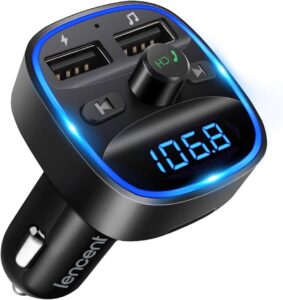
Introduction to Wireless Charging
Wireless charging, also known as inductive charging, is a technology that has gained immense popularity in recent years, allowing users to power their devices without the hassle of traditional cables. This method operates on the principle of electromagnetic induction, where an electromagnetic field is created between two coils—one in the charging pad and the other in the device. When a compatible device, such as a smartphone or smartwatch, is placed on the charging pad, energy is transferred wirelessly, allowing the device to charge.
The evolution of wireless charging technology can be traced back to the late 19th century; however, it was not until the mid-2000s that practical applications began to emerge. The introduction of the Qi standard by the Wireless Power Consortium in 2008 played a pivotal role in popularizing this technology. Qi certification ensures compatibility between various devices and charging pads, enabling users to enjoy a seamless charging experience across multiple brands.
Today, a wide array of devices supports wireless charging, including smartphones, earbuds, smartwatches, and even some laptops. Major smartphone manufacturers have integrated this technology into their flagship models, making it a common feature in the market. Additionally, wireless charging pads come in various designs and sizes, catering to individual preferences and usage scenarios, whether at home, in the office, or on the go.
As we delve deeper into the advantages of using wireless charging pads, it is essential to understand the fundamental technology that underlies the convenience and efficiency of this innovative charging solution. By eliminating the need for cables and minimizing wear and tear on charging ports, wireless charging has revolutionized the way users interact with their devices, paving the way for a more streamlined and user-friendly experience.
Convenience and Ease of Use
Wireless charging pads have revolutionized the way we power our devices, offering a level of convenience that traditional charging methods simply cannot match. One of the most significant advantages is the elimination of tangled wires, which can be a common frustration for users of traditional chargers. With wireless charging, users can say goodbye to the clutter of cables and connectors that often litter desks and nightstands. The streamlined design of these pads allows devices to be charged simply by placing them on the surface, turning the act of powering up into a hassle-free experience.
When it comes to simplicity in placement, wireless charging pads excel. They usually feature a non-slip surface, ensuring that devices remain in place while charging. This means that there is no need to fumble around trying to position a charging cable correctly. Users can easily pick up their phones or smartwatches and set them down on the pad without the worry of aligning ports or inserting connectors. Such ease of use makes wireless chargers particularly appealing in busy environments, such as offices and cafes, where time is often of the essence.
Furthermore, the integration of wireless charging pads into everyday life can be observed in various real-world scenarios. For instance, many users find that they can easily incorporate these devices into their morning routines. By placing a wireless charging pad on their bedside table, charging a smartphone overnight becomes as simple as laying it down before sleeping. Similarly, in workplaces, people can enjoy charging their devices instantly by just placing them on their desks or designated charging areas, enhancing productivity without the usual interruptions associated with traditional charging methods.
Overall, the combination of simplicity, organization, and ease of use makes wireless charging pads an indispensable addition to modern technology, facilitating a seamless user experience.
Top 10 Car Wireless Charging Pads Best Sellers
Compatibility Across Devices
Wireless charging pads have gained immense popularity due to their ability to provide a convenient method of charging various devices without the hassle of cords. Most notably, smartphones are the primary beneficiaries of this technology. Most recent smartphone models from leading manufacturers, such as Apple, Samsung, and Google, support wireless charging standards like Qi. This compatibility allows users to charge their devices simply by placing them on a wireless charging pad.
In addition to smartphones, wireless charging pads also accommodate various other devices, including smartwatches and tablets. Many smartwatches from brands like Apple, Fitbit, and Samsung utilize wireless charging technology, making it easier for users to keep their accessories powered without tangled cables. Additionally, tablets that support wireless charging, like some models from the iPad series, benefit from this technology, enabling users to charge their devices in an efficient manner.
An important aspect of choosing a wireless charging pad is considering the universal compatibility it offers. While most modern devices comply with the Qi standard, not all devices are created equal. It is crucial to examine the specifications of your devices to ensure they are compatible with a selected wireless charging pad. Additionally, some manufacturers may incorporate proprietary charging technologies that could limit compatibility with generic charging pads.
To facilitate the selection process, prospective buyers should verify the output of the charging pad they intend to purchase. Typically, higher-wattage pads can charge compatible devices more efficiently. Furthermore, users are encouraged to consider pads that offer multiple charging zones for additional versatility, allowing for the simultaneous charging of various devices regardless of the brand. Ultimately, understanding the compatibility across devices is essential for maximizing the benefits of wireless charging technology.
Safety Features of Wireless Charging Pads
Wireless charging pads have revolutionized the way we power our devices, and a significant aspect of their design focuses on safety features that protect both the device being charged and the charging pad itself. One primary feature is the prevention of overheating. Most quality wireless chargers are equipped with temperature control mechanisms that detect excessive heat, automatically reducing power output or shutting off the charging process if temperatures exceed safe limits. This critical feature ensures that neither the charger nor the device suffers from heat-induced damage, which is a common concern with traditional charging methods.
Another essential safety feature is overcharging protection. Wireless charging pads are designed to stop delivering power once the device reaches full charge. This functionality not only prolongs battery life but also minimizes the risk of potential battery swelling or damage due to prolonged charging. In contrast to wired chargers, which can sometimes lead to overcharging if left plugged in, wireless options inherently mitigate this risk through smart charging technology.
Moreover, foreign object detection is a vital safety mechanism in wireless charging pads. This feature identifies any objects that may have been placed between the charger and the device, such as coins or metal fragments. Once detected, the charger automatically ceases power transmission, preventing potential harm to both the charger and the device. This added layer of protection is particularly useful in households with multiple users, where devices and objects may get misplaced easily.
Ultimately, these safety features collectively ensure that wireless charging is a secure alternative to conventional charging methods. By addressing common concerns such as overheating, overcharging, and foreign object interference, wireless charging pads provide an efficient and safe way to keep devices powered without compromising battery integrity.
Environmental Impact and Energy Efficiency
Wireless charging pads are increasingly recognized for their potential to mitigate environmental concerns associated with traditional wired charging methods. One of the most significant benefits of wireless charging is its contribution to energy efficiency. Unlike conventional chargers that often dissipate energy as heat, many wireless chargers are designed to use energy more effectively, leading to reduced overall power consumption.
The integration of advanced technologies in wireless charging pads allows for optimized energy transfer, meaning that less energy is wasted during the charging process. This efficiency not only has economic benefits but also contributes to a lower carbon footprint. By employing a wireless charging pad, users can typically expect to use less electricity over time, which aligns with broader goals of energy conservation and sustainability.
Moreover, the rise of wireless charging technology can play a pivotal role in the reduction of electronic waste. Traditional chargers, with their multitude of cables and adapters, frequently become obsolete or damaged, leading to increased waste. In contrast, wireless charging pads eliminate the need for several cords, as most devices can be charged using a single pad. This reduction in cables and components signifies a move towards a more streamlined, sustainable approach to technology usage.
In addition to reducing electronic waste, wireless charging supports the concept of sustainable living by encouraging the adoption of more eco-friendly behaviors. Consumers increasingly seek out products that align with responsible environmental practices. The shift towards wireless charging pads exemplifies a commitment to sustainability within consumer choices while also enhancing the user experience through ease and convenience.
Ultimately, wireless charging pads provide a practical solution that not only enhances energy efficiency but also fosters a reduction in electronic waste, thereby promoting a more sustainable approach to technology usage and its long-term environmental implications.
The Aesthetic Appeal of Wireless Charging Pads
The design of wireless charging pads is a significant factor that contributes to their popularity, as they combine functionality with aesthetic appeal. These devices are available in a variety of styles, materials, and colors, allowing them to seamlessly integrate into both home and office environments. From sleek and modern designs to more traditional or natural finishes, there is a wireless charging pad to suit almost any personal taste or decor style.
One of the most common materials used in the construction of these pads is plastic, which can be molded into various shapes and finishes. However, options made from premium materials such as wood, metal, or leather bring an added sophistication that can elevate an interior space. For instance, a wooden charging pad can add warmth to a minimalist setting, while a metal design may complement a modern or industrial aesthetic. This versatility makes them not only a practical charging solution but also an attractive accessory.
Color options further enhance the aesthetic range of wireless charging pads. Consumers can choose from calming neutrals, vibrant hues, or even patterned designs that match their existing decor. This ability to select aesthetically pleasing colors or patterns increases their appeal, making them a desirable item on desks, bedside tables, or kitchen counters. The design of wireless chargers can also provide an opportunity to showcase personal style, helping individuals express their creativity in their living or working spaces.
Additionally, the unobtrusive nature of wireless charging pads means they can blend into their surroundings. Whether placed on a marble countertop or a wooden desk, these pads can contribute to a harmonious design scheme. Overall, the contemporary appeal and diverse design options make wireless charging pads not only functional electronics but also stylish decor elements that enhance everyday environments.
Future Trends in Wireless Charging Technology
The landscape of wireless charging technology is poised for transformative advancements in the coming years. One of the most anticipated developments is the acceleration of charging speeds. Current wireless charging solutions often fall short in terms of speed compared to traditional wired alternatives. However, companies are investing heavily in research and development to enhance the speed of transfer significantly. New materials and designs, such as resonant inductive coupling, are enabling more rapid energy transmission, which may drastically reduce the time needed to charge devices wirelessly.
In addition to faster charging capabilities, there is a strong focus on improving the overall efficiency of wireless charging systems. Innovations such as multi-device charging pads and adaptive charging technologies are emerging, with the aim of maximizing energy conversion and minimizing the loss that typically accompanies wireless power transfer. More efficient systems can lead to longer device battery life and reduced energy consumption. Furthermore, integrating wireless charging technology into everyday objects — such as furniture and public infrastructure — promises an unparalleled convenience for users, ushering in an era where charging happens as seamlessly as placing a device on a surface.
Another trend to watch is the potential integration of wireless charging stations in public spaces. As more cities and businesses recognize the benefits of offering wireless charging options, we may see an increase in installations in cafes, airports, and other high-traffic areas. This could fundamentally change consumer habits, as individuals become accustomed to the convenience of charging their devices while on the move, rather than seeking dedicated charging stations or outlets.
Overall, the future of wireless charging technology appears bright, with rapid advancements promising enhanced performance and user experience. These innovations will not only benefit consumers directly but will also reshape the dynamics of the electronics industry as a whole, driving adoption across various sectors.
Common Misconceptions About Wireless Charging
As wireless charging technology becomes increasingly prevalent, various misconceptions surrounding its efficiency and safety persist. One common myth is that wireless charging pads charge devices significantly slower than traditional wired chargers. While it is true that certain wireless charging methods might have lower power output at times, the gap in charging speed is narrowing. Many modern wireless charging pads utilize advanced technology enabling them to match, if not exceed, the performance of older wired chargers. As manufacturers continue to innovate, we can expect further advancements in charging speeds.
Another prevalent concern involves the potential damage to devices when using a wireless charging pad. Many users fear that consistent use of these charging solutions could harm their smartphone or battery life. However, reputable wireless chargers are equipped with built-in safety features, such as temperature regulation and foreign object detection, ensuring that the charging process is not only efficient but also safe. Thus, the risk of damage is minimal when using quality charging pads, making them a reliable choice for device upkeep.
Additionally, some individuals worry about the effectiveness of wireless charging due to potential air gaps between the device and the pad. While it is essential for the device to be correctly positioned on the charger to maintain an optimal connection, the need for complete contact is somewhat exaggerated. Modern wireless charging technologies are designed to accommodate minor misalignments without significantly affecting charging efficiency. The integration of alignment features further mitigates this issue, ensuring a seamless charging experience.
By dispelling these common misconceptions about wireless charging pads, individuals can better understand the benefits and advantages of utilizing this technology. As the market expands with innovations and improvements, a more informed perspective on wireless charging will support its adoption and enhance user experience.
Conclusion: Embracing Wireless Charging
As we have explored throughout this discussion, the adoption of wireless charging pads offers a multitude of benefits that can enhance the convenience and efficiency of our daily energy management. These innovative devices eliminate the hassle of tangled wires and worn-out charging ports, allowing users to simply place their devices on a charging pad for an effortless power-up. The technology’s design promotes a more organized and clutter-free environment, which is particularly advantageous in today’s fast-paced lifestyle.
Moreover, wireless charging is not just a convenient option; it also reflects a progressive shift in how we think about electricity consumption. This technology supports instant connectivity and quick power-up capabilities, helping users maintain productivity without the interruptions that come with traditional charging methods. Additionally, many wireless charging pads are designed with advanced safety features, reducing the risks associated with overheating and electrical surges.
Beyond convenience, wireless charging pads contribute to sustainability. By minimizing wear and tear on charging cables and devices, they can prolong the life of expensive electronics. Furthermore, as the technology evolves, the efficiency of wireless charging continues to improve, making it a viable alternative to conventional methods.
We encourage readers to consider integrating wireless charging into their lives. As we embrace the future of energy solutions, adopting this technology can significantly improve your everyday experience with mobile devices. The ease of use and the potential for enhanced efficiency make wireless charging pads an intelligent choice for anyone looking to modernize their charging routine. With the continued growth of this technology, the benefits it offers will only expand, making it an increasingly relevant and valuable addition to our technological landscape.